In a world where uncertainty seems constant, finding moments of calm can feel like a rare gift. Ukraine’s yoga and meditation centers offer more than just physical practice—they provide a sanctuary of resilience and hope amid ongoing challenges.
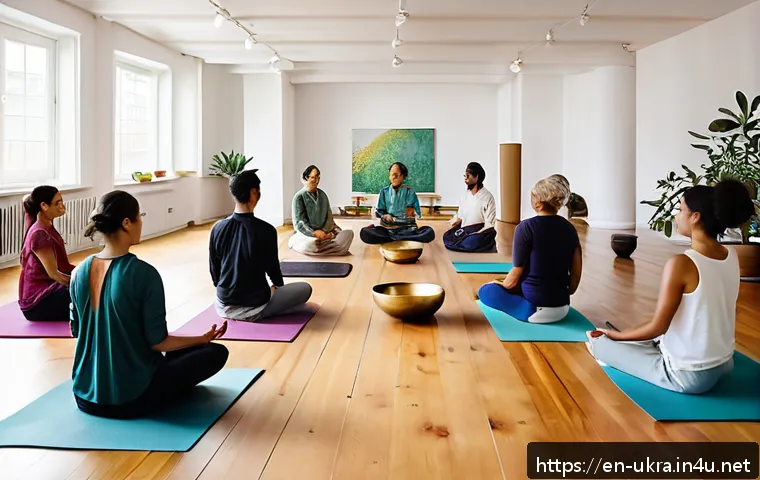
These unique spaces blend traditional mindfulness with a spirit of endurance, helping individuals reconnect with inner peace despite external turmoil.
Whether you’re seeking stress relief or a deeper sense of balance, exploring these centers reveals inspiring stories of strength and healing. Join me as we dive into how Ukraine’s approach to wellness is quietly transforming lives in the most unexpected ways.
Finding Stillness Amid Chaos: The Role of Mindfulness Centers
Creating Safe Spaces for Mental Relief
In the midst of ongoing uncertainty, these centers have become more than just places for yoga or meditation—they’re havens where individuals can momentarily step away from the noise of daily struggles.
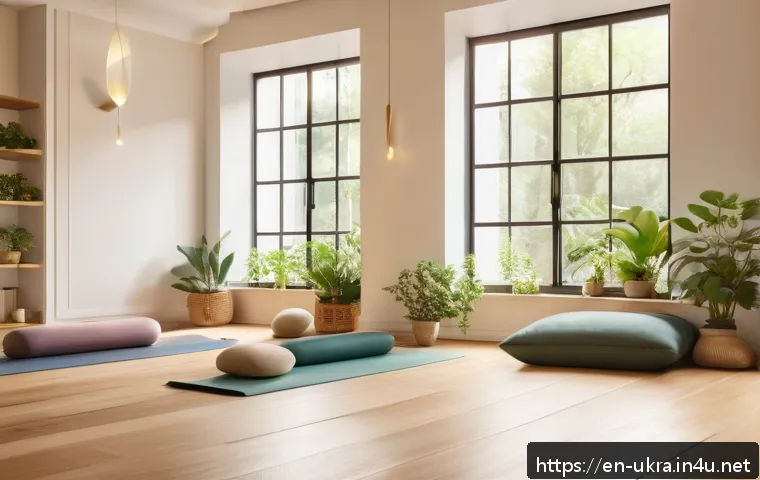
What strikes me most is how these spaces are intentionally designed to nurture calm and emotional safety. Soft lighting, natural materials, and quiet corners invite visitors to slow down and breathe deeply.
It’s not just about the physical postures; it’s about cultivating a mindset of presence and acceptance. Many people I spoke with described how just entering these spaces felt like an immediate sigh of relief, a brief pause where the weight of the outside world lifted even if just for a little while.
Integrating Mindfulness with Cultural Resilience
What’s uniquely inspiring is how these centers fuse traditional mindfulness techniques with a deep cultural understanding of resilience. They don’t just teach meditation; they honor stories of endurance, offering practices that echo the collective strength of their communities.
For example, breathing exercises are sometimes paired with storytelling sessions or group reflections, allowing participants to connect their inner peace with shared experiences of hardship and hope.
This approach feels profoundly human—reminding us that mindfulness isn’t about escaping reality but embracing it with courage and compassion.
Personal Transformation Through Consistent Practice
I’ve noticed that regular visitors often speak about tangible shifts in their ability to manage stress and anxiety. One woman shared how, after months of attending classes, she began to reclaim control over her emotions, noticing fewer sleepless nights and a calmer mind during moments of crisis.
Another participant mentioned how the practice helped her rediscover joy and gratitude, even when external circumstances were bleak. These stories highlight how consistent mindfulness practice can gradually build emotional stamina and foster a renewed sense of hope, proving that healing is not just possible but happening in real time.
Adapting Ancient Practices for Modern Needs
Blending Tradition with Contemporary Wellness Trends
The centers skillfully balance age-old techniques with modern wellness demands. They offer a mix of classic yoga postures and meditation styles alongside newer modalities like sound healing or mindful movement, tailored to the needs of people living through stress and trauma.
This adaptive approach resonates with a broad audience, from those seeking gentle physical activity to others craving deep meditative immersion. What I find remarkable is how this blend respects tradition while inviting innovation, making the practice accessible and relevant.
Emphasis on Community and Shared Healing
Beyond individual practice, there’s a strong emphasis on community connection. Group sessions foster a sense of belonging, which is especially crucial during times of isolation or upheaval.
Sharing the experience with others who understand the context adds layers of support and motivation. The communal aspect transforms mindfulness from a solitary journey into a collective one, where people uplift each other and rebuild social bonds alongside their inner peace.
Flexible Formats for Diverse Lifestyles
Recognizing that life’s unpredictability can disrupt routines, many centers offer flexible scheduling and online classes. This adaptability ensures that even those facing mobility challenges or displacement can participate.
I personally tried a few virtual sessions and was impressed by how effectively instructors maintained engagement and connection through a screen. This hybrid model broadens access and helps maintain consistency in practice, which is key to reaping long-term benefits.
The Healing Power of Breath and Movement
Breathwork as a Tool for Emotional Regulation
Breathwork stands out as a cornerstone in these practices, often introduced early on because of its immediate calming effect. The simple act of focusing on the breath can shift the nervous system from a state of fight-or-flight to rest-and-digest.
I’ve experienced firsthand how guided breath sessions can cut through mental fog and bring clarity in moments of overwhelm. In these centers, breathwork is taught with sensitivity, often paired with affirmations or visualization techniques that deepen its impact.
Yoga’s Role in Restoring Physical and Mental Balance
Yoga classes here don’t just focus on flexibility or strength; they emphasize mindful movement that reconnects body and mind. Postures are adapted to accommodate all levels, making the practice inclusive and gentle.
Many practitioners report that yoga helps release physical tension that accumulates from stress, which in turn eases anxiety and improves sleep quality.
The slow, deliberate pace encourages a meditative state, reinforcing the mental benefits alongside the physical ones.
Combining Movement with Mindful Reflection
Some sessions integrate movement with journaling or group dialogue afterward, creating a holistic experience. This combination allows participants to process emotions stirred by the practice, fostering insight and growth.
In my experience, reflecting on the sensations and thoughts emerging during yoga or meditation deepens self-awareness, which is a powerful step toward healing.
Stories of Strength: Real-Life Impact
Personal Journeys of Resilience
Hearing individual stories brings these practices to life. One young man I met described how meditation helped him manage post-traumatic stress symptoms, giving him tools to stay grounded during flashbacks.
Another woman shared how yoga classes became a lifeline during displacement, providing structure and a sense of normalcy. These narratives are not just inspiring—they illustrate the practical and emotional benefits that ripple outward into families and communities.
Building Hope Through Collective Experience
Many participants emphasize that being part of these centers fosters hope. The shared commitment to healing and growth creates a ripple effect of positivity, even when external news is grim.
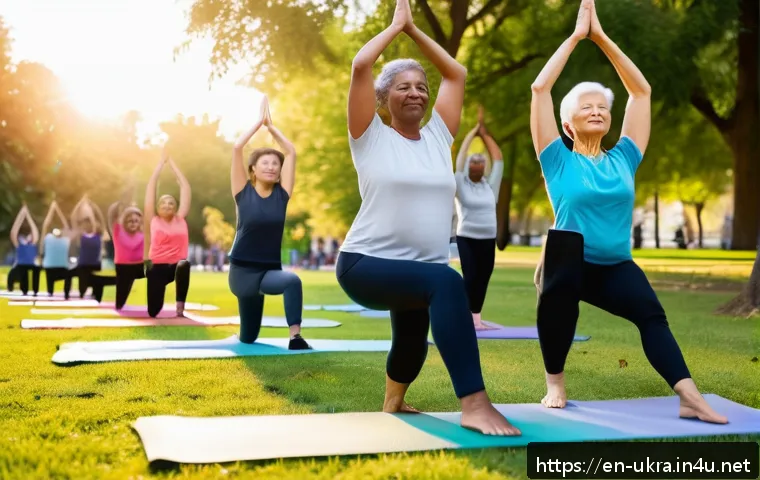
It’s powerful to witness how small acts of self-care can multiply into collective resilience, reminding everyone involved that they are not alone in their struggles.
Transforming Pain into Purpose
For some, involvement with these centers has sparked a desire to give back—becoming teachers or volunteers themselves. This cycle of healing and service exemplifies how mindfulness practice can transform individual pain into a purposeful mission, strengthening the community fabric and inspiring others to find their own path to peace.
Practical Guide: What to Expect When Visiting a Mindfulness Center
Typical Offerings and Session Structures
Most centers offer a variety of classes ranging from beginner to advanced levels, including yoga, meditation, breathwork, and sometimes complementary therapies like sound baths or aromatherapy.
Sessions usually last between 60 to 90 minutes and may include guided instructions, silent practice, and group discussions. Drop-in classes and memberships are common, allowing flexibility for different schedules.
Cost and Accessibility
Many centers strive to keep their services affordable, offering sliding scale fees or donation-based classes. This inclusivity reflects their mission to make wellness accessible to as many people as possible, regardless of financial situation.
Online options further enhance accessibility for those unable to attend in person.
Etiquette and What to Bring
Visitors are generally encouraged to wear comfortable clothing suitable for movement and bring their own yoga mats, though some centers provide mats upon request.
Arriving a few minutes early to settle in and silence phones helps maintain the peaceful atmosphere. Most places welcome beginners warmly and encourage questions, so no prior experience is necessary.
| Aspect | Details |
|---|---|
| Class Types | Yoga (various styles), guided meditation, breathwork, sound healing |
| Session Length | 60–90 minutes |
| Pricing | Sliding scale, donation-based, memberships |
| Accessibility | In-person and online classes available |
| Recommended Attire | Comfortable clothing, yoga mat suggested |
| Community Features | Group discussions, storytelling, volunteer opportunities |
How These Practices Influence Daily Life Beyond the Mat
Stress Management in Everyday Situations
Many practitioners find that the skills learned during sessions seamlessly integrate into their daily routines. For example, mindful breathing can be a quick tool to calm nerves before a stressful meeting or during moments of uncertainty.
I’ve personally noticed that after practicing regularly, I respond to tension with more patience and less reactivity, which has improved my relationships and overall wellbeing.
Enhancing Emotional Intelligence and Self-Awareness
The reflective elements of these practices foster deeper self-understanding. Participants often report becoming more aware of emotional triggers and patterns, allowing them to make conscious choices rather than reacting impulsively.
This heightened emotional intelligence contributes to better communication and resilience in personal and professional life.
Encouraging a Lifestyle of Balance and Self-Care
Beyond the sessions themselves, these centers promote a holistic approach to wellness that encourages balanced living. This includes guidance on nutrition, sleep hygiene, and mindful technology use.
Adopting these habits supports sustained mental and physical health, creating a foundation that helps people navigate ongoing challenges with greater ease.
In Closing
Mindfulness centers offer more than just a place to practice—they provide a sanctuary for healing and growth amid life’s chaos. Through thoughtful design, community connection, and adaptable practices, they help individuals cultivate resilience and hope. Experiencing these spaces firsthand reveals the profound impact consistent mindfulness can have on emotional and physical wellbeing. Ultimately, these centers remind us that peace is both a personal journey and a shared experience.
Helpful Information to Keep in Mind
1. Many mindfulness centers offer a wide range of classes, from yoga and meditation to breathwork and sound healing, catering to various levels and preferences.
2. Pricing is often flexible, with sliding scale fees or donation-based options, making wellness accessible regardless of financial means.
3. Sessions typically last between 60 and 90 minutes and may include guided practice, silent reflection, and group discussions to deepen the experience.
4. Both in-person and virtual classes are commonly available, allowing participants to maintain practice despite busy schedules or mobility challenges.
5. Comfortable attire and bringing your own yoga mat are usually recommended, though many centers are welcoming to beginners and provide necessary materials upon request.
Key Takeaways
Mindfulness centers serve as vital spaces that nurture mental and emotional relief through intentional environments and culturally sensitive practices. Their integration of traditional and modern wellness approaches makes mindfulness accessible and relevant to diverse communities. Emphasizing community connection enhances healing beyond the individual, fostering resilience through shared experiences. Flexible formats ensure that consistent practice is attainable for many, which is crucial for lasting benefits. Finally, these centers empower participants to translate mindfulness into everyday life, improving stress management, emotional intelligence, and overall balance.
Frequently Asked Questions (FAQ) 📖
Q: uestionsQ1: How do yoga and meditation centers in Ukraine help people cope with ongoing challenges?
A: These centers offer more than just physical exercise; they create safe spaces where individuals can practice mindfulness and build emotional resilience.
In a country facing constant uncertainty, the combination of traditional yoga and meditation practices with a focus on endurance helps people find inner calm and strength.
Many attendees share that these sessions provide a much-needed mental break, allowing them to manage stress and anxiety more effectively amid external turmoil.
Q: Are these wellness practices accessible to beginners or only for experienced practitioners?
A: Absolutely, Ukraine’s yoga and meditation centers welcome people of all experience levels. Many centers offer beginner-friendly classes that introduce foundational techniques in a supportive environment.
From my own experience visiting such a center, instructors are patient and emphasize gradual progress, making it easy for anyone to start their mindfulness journey regardless of prior knowledge or physical ability.
Q: Can practicing yoga and meditation in these centers really impact mental health long-term?
A: Yes, consistent practice can lead to lasting benefits for mental well-being. I’ve observed firsthand how regular attendance helps individuals cultivate better emotional balance and reduce symptoms of stress and trauma.
The unique aspect of these Ukrainian centers is their emphasis on community and shared healing, which strengthens the positive effects. Over time, participants report improved sleep, enhanced focus, and a deeper sense of hope despite ongoing hardships.