In a world that’s constantly evolving, preserving cultural heritage becomes more vital than ever, especially for countries like Ukraine with a rich and complex history.
As recent global events have drawn attention to Ukraine’s resilience and identity, exploring its folk museums offers a unique window into the traditions and stories that shape the nation.
Whether you’re a history buff or simply curious about authentic cultural experiences, these museums provide an immersive journey through time. Join me as we uncover the hidden gems of Ukraine’s folk heritage, where every artifact tells a story worth hearing.
Ready to dive deep into a vibrant past? Let’s explore together!
Immersing in Ukraine’s Rural Life Through Open-Air Museums
Experiencing Traditional Village Architecture
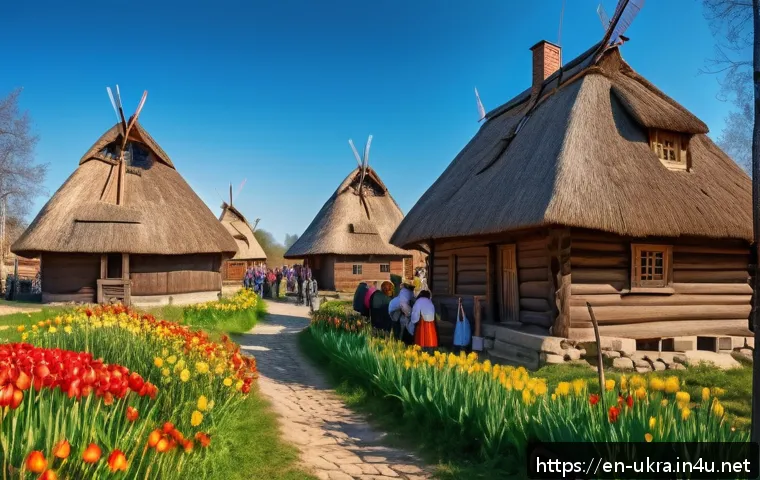
Walking through open-air folk museums in Ukraine is like stepping back into a world where time slows down and every wooden house, barn, and windmill whispers stories of past generations.
These museums meticulously preserve authentic village structures, often relocated from their original sites to recreate a typical rural settlement. The intricate wood carvings on the eaves, the thatched roofs, and the hand-forged iron details reveal the craftsmanship that was passed down through centuries.
Personally, visiting such a museum felt like entering a living postcard, where the environment is so genuine it almost invites you to sit by the stove or join in a harvest celebration.
Discovering Traditional Crafts and Daily Life
Beyond the buildings, these museums showcase the vibrant crafts that formed the backbone of village economies. From weaving intricate textiles to pottery and blacksmithing, visitors can watch artisans demonstrating their skills just as their ancestors did.
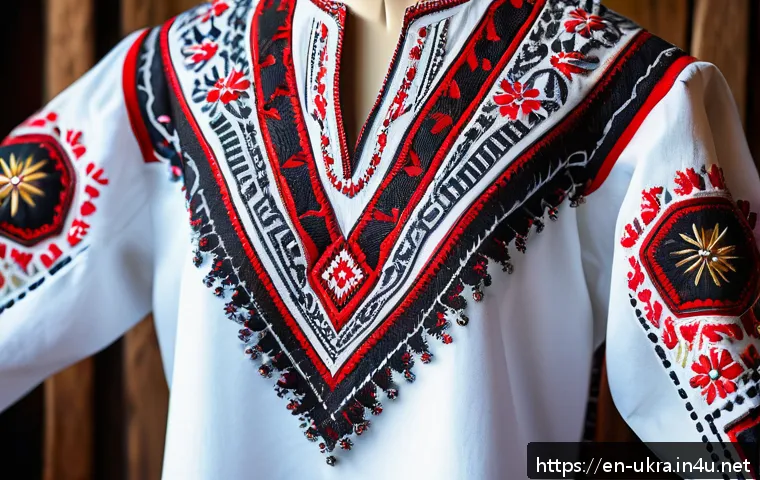
I recall one visit where an elderly craftswoman patiently explained the symbolism behind embroidered patterns on traditional garments—each motif carrying meaning about family, protection, or local legends.
These hands-on experiences offer a rare chance to connect with the rhythms of rural life that modern urban centers have long forgotten.
Seasonal Festivals and Folklore Performances
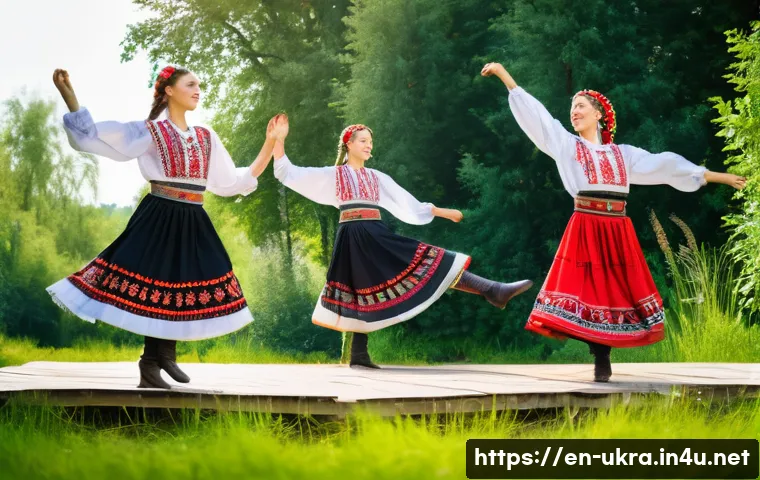
Many open-air museums host seasonal events that bring folk traditions to life through music, dance, and rituals. Attending a spring festival there was a highlight for me, witnessing locals dressed in vibrant costumes perform ancient songs and dances that celebrate renewal and community.
The infectious energy, coupled with authentic food stalls selling homemade borscht and varenyky, makes these occasions perfect for anyone eager to dive into Ukraine’s living heritage.
Exploring Ethnographic Collections in City Museums
Artifacts That Tell Stories of Everyday Life
City-based folk museums in Ukraine often house vast collections of everyday objects that reveal the social and cultural fabric of different regions. Items such as traditional ceramics, household tools, and religious icons provide deep insights into how ordinary people lived, worked, and celebrated.
I found myself fascinated by the variety of regional costumes displayed, each telling a story about local identity, climate, and historical influences.
The curation here tends to be thematic, making it easier to follow cultural narratives across time and place.
Interactive Exhibits and Educational Programs
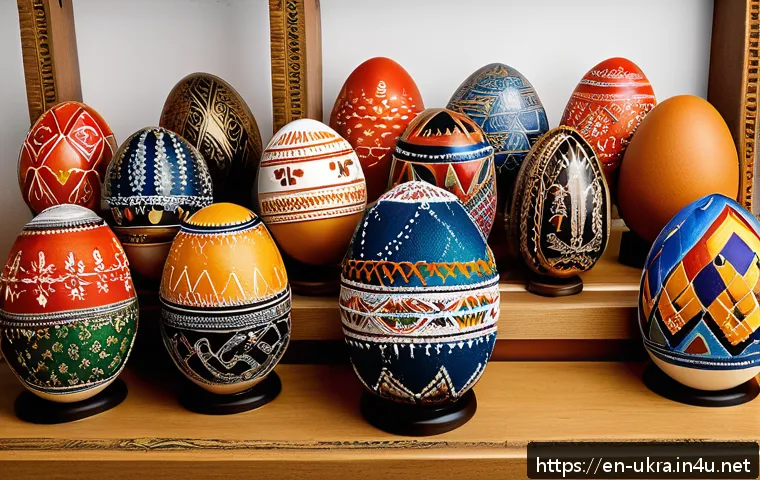
Many urban folk museums have modernized their approach by integrating interactive displays and workshops. During a recent visit, I took part in a workshop on pysanky—the art of Ukrainian Easter egg decorating—where the guide explained not only the technique but also the symbolic meanings of colors and patterns.
This hands-on learning enriches the museum experience and makes the heritage feel relevant and accessible to younger generations and international visitors alike.
Preserving Folk Music and Oral Traditions
In addition to tangible artifacts, city museums often dedicate space to preserving Ukraine’s rich oral traditions, including folk songs, stories, and legends.
Listening to archived recordings or live performances inside these museums helped me appreciate the depth and diversity of Ukraine’s cultural expressions.
These intangible treasures are crucial for understanding the national psyche and resilience, especially in times of social upheaval.
Hidden Treasures: Lesser-Known Regional Museums
Discovering Unique Local Customs
While major folk museums attract many visitors, exploring smaller, regional museums offers a more intimate glimpse into local customs and traditions that often don’t make it into the mainstream narrative.
For example, a visit to a museum in the Carpathian region introduced me to Hutsul culture—known for its vibrant woodwork, distinct music, and mountain rituals.
These museums often operate with limited resources but compensate with passionate storytelling and authentic exhibits that deeply reflect their communities.
Personal Encounters with Local Historians and Artisans
One of the most rewarding aspects of visiting these hidden gems is the chance to meet local experts who are not only curators but also community members preserving their heritage.
On one trip, I spent hours chatting with an artisan who taught me how to make traditional leather shoes while recounting stories of village life during Soviet times.
These personal interactions add layers of meaning to the museum visit and create memories that linger long after leaving.
Supporting Sustainable Cultural Tourism
Choosing to visit smaller folk museums also contributes to sustainable tourism by supporting local economies and encouraging preservation efforts beyond the big cities.
Many of these museums rely on entrance fees, workshops, and local craft sales to maintain their collections and fund community programs. From my experience, engaging with these places feels like being part of a broader effort to keep Ukraine’s cultural mosaic vibrant and alive.
How Ukraine’s Folk Museums Reflect National Identity
Symbolism Embedded in Artifacts
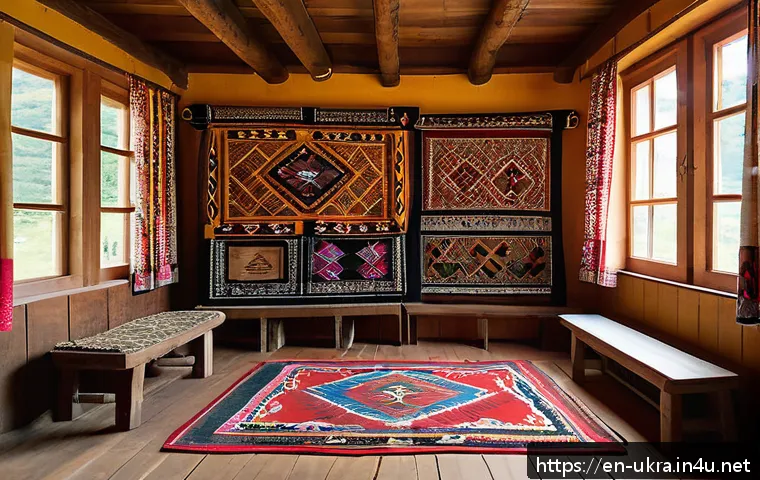
Every artifact in a Ukrainian folk museum is a piece of a larger puzzle that forms the nation’s identity. Traditional embroidery patterns, for instance, are not merely decorative but carry meanings related to protection, fertility, and spiritual beliefs.
When I first learned about this, it changed how I looked at seemingly simple objects—transforming them into storytellers of history, values, and hopes.
Resilience Through Cultural Preservation
In the face of historical challenges, including wars and political upheavals, folk museums in Ukraine have played a vital role in preserving cultural memory.
Visiting these institutions gave me a sense of the nation’s resilience, as communities consciously safeguard their heritage to pass it on to future generations.
This preservation is an act of resistance and pride, underscoring how culture can unify and heal.
Bridging Past and Present Generations
Folk museums don’t just look backward; they also serve as bridges connecting older and younger generations. Many museums organize youth programs, storytelling sessions, and craft workshops that actively engage children and teens.
I’ve seen firsthand how this engagement fosters a sense of belonging and continuity, ensuring that traditions evolve while staying rooted in their origins.
Planning Your Visit: Practical Tips for Travelers
Choosing the Right Time to Visit
Timing your visit to coincide with local festivals or seasonal events can greatly enrich your experience. From personal visits, I learned that spring and autumn festivals tend to offer the most vibrant displays of folk traditions, including music, dance, and food.
However, off-season visits often provide quieter, more reflective opportunities to explore exhibits without crowds.
Getting Around and Accessibility
Many folk museums, especially open-air ones, are located outside city centers and require some planning to reach. Renting a car or joining guided tours can be convenient options.
I found that local guides add tremendous value by sharing insider knowledge and arranging visits to workshops or nearby artisan villages that you might otherwise miss.
Respecting Local Customs and Etiquette
When visiting folk museums, it’s important to be mindful of local customs. Photography policies, dress codes for religious artifacts, and respectful behavior during performances are common considerations.
During my visits, I always made a point to ask before taking photos and to listen attentively during storytelling, which enhanced my rapport with museum staff and local communities.
Comparing Ukraine’s Folk Museums with Neighboring Countries
Distinctive Features of Ukrainian Folk Heritage
While many Eastern European countries share some cultural elements, Ukraine’s folk heritage stands out due to its unique blend of Slavic, Cossack, and Carpathian influences.
The emphasis on vibrant embroidery, pysanky eggs, and distinctive musical instruments like the bandura distinguishes Ukraine’s folk museums. I’ve noticed that Ukrainian museums often highlight resilience themes, reflecting the country’s turbulent history.
Similarities and Differences in Museum Presentation
Compared to neighboring countries like Poland or Romania, Ukrainian folk museums often combine traditional displays with interactive workshops more extensively.
From my experience, this hands-on approach creates a dynamic learning environment, although some museums in neighboring countries focus more heavily on archaeological finds or folk art galleries.
Cross-Border Cultural Exchanges
Some Ukrainian folk museums collaborate with institutions abroad to showcase shared heritage and foster cultural dialogue. These partnerships enrich the visitor experience by offering comparative exhibits and joint festivals.
I attended one such event where Ukrainian and Moldovan folk artists performed together, highlighting common threads and celebrating diversity within the region.
| Museum Type | Key Features | Ideal For | Location Examples |
|---|---|---|---|
| Open-Air Museums | Authentic village architecture, seasonal festivals, craft demonstrations | Immersive cultural experience, family visits | Pirogovo (Kyiv), Pyrohiv, Museum of Folk Architecture and Life (Lviv) |
| City Ethnographic Museums | Artifact collections, interactive exhibits, educational programs | History enthusiasts, educational groups | National Museum of Folk Architecture and Culture (Kyiv), Lviv Ethnographic Museum |
| Regional Small Museums | Local customs, personal storytelling, sustainable tourism | Travelers seeking authentic, intimate experiences | Hutsul Museum (Ivano-Frankivsk), Bukovinian Museum (Chernivtsi) |
Preserving Ukraine’s Folk Heritage in the Digital Age
Virtual Tours and Online Exhibits
In recent years, many Ukrainian folk museums have embraced digital technologies to reach global audiences. Virtual tours allow people from anywhere in the world to explore exhibits and listen to folk music recordings without traveling.
I tried one of these tours during the pandemic, and although nothing replaces being there in person, it was a wonderful way to stay connected and plan future visits.
Digital Archiving and Research
Museums increasingly digitize their collections to safeguard fragile artifacts and facilitate scholarly research. This effort not only protects cultural treasures but also democratizes access to knowledge.
I’ve read about projects where oral histories and traditional songs are being archived online, ensuring that even endangered dialects and customs can be preserved for posterity.
Engaging Younger Generations Through Social Media
To keep folk traditions alive, museums are using social media platforms to share stories, craft tutorials, and event announcements. Following these channels has helped me discover new aspects of Ukrainian culture and connect with a community of enthusiasts worldwide.
This modern approach breathes new life into ancient customs, making heritage relevant for today’s digital natives.
Conclusion
Exploring Ukraine’s folk museums offers a rich journey into the heart of the country’s cultural heritage, blending history, artistry, and living traditions. Whether wandering through open-air villages or engaging with local artisans, these experiences reveal the resilience and spirit of Ukrainian communities. Embracing both tangible and intangible heritage, the museums serve as vital bridges between past and present. They invite every visitor to connect deeply with Ukraine’s unique identity and vibrant folk culture.
Useful Information to Know
1. Visiting during seasonal festivals enhances your experience with authentic music, dance, and traditional foods.
2. Many museums offer hands-on workshops, allowing visitors to learn crafts like embroidery or pysanky egg decorating.
3. Planning transportation in advance is recommended, especially for open-air museums located outside city centers.
4. Respecting local customs, such as photography rules and dress codes, helps foster positive interactions with communities.
5. Following museums on social media can keep you updated on events and provide cultural insights even before your visit.
Key Takeaways
Ukrainian folk museums are more than static exhibits—they are living spaces preserving and celebrating national identity through architecture, crafts, and oral traditions. Small regional museums offer intimate, authentic experiences supported by passionate locals, while city museums combine history with interactive learning. Embracing digital tools, these institutions make folk heritage accessible worldwide, ensuring traditions continue to thrive. Travelers should approach visits with curiosity, respect, and an open heart to fully appreciate the depth of Ukraine’s cultural legacy.
Frequently Asked Questions (FAQ) 📖
Q: What makes Ukraine’s folk museums unique compared to other cultural museums?
A: Ukraine’s folk museums stand out because they offer an authentic glimpse into the everyday lives, customs, and artistry of Ukrainian people across centuries.
Unlike traditional museums that often focus on elite artifacts, these museums showcase folk art, traditional clothing, rural architecture, and handcrafted items that tell personal stories of communities.
Visiting them feels like stepping into a living history book where you can truly connect with the spirit of Ukraine’s diverse regions.
Q: Are there any interactive or immersive experiences available in these museums?
A: Absolutely! Many folk museums in Ukraine go beyond static displays by offering workshops where visitors can try traditional crafts like embroidery or pottery.
Some also host seasonal festivals featuring folk music, dance, and local cuisine, creating a vibrant atmosphere that brings history to life. From my own visits, participating in these hands-on activities made the cultural heritage feel more tangible and memorable.
Q: How can visiting Ukraine’s folk museums enhance my understanding of the country’s current identity?
A: Exploring these museums provides valuable context for Ukraine’s resilience and cultural pride today. The artifacts and stories reveal how traditions have been preserved and adapted through challenging times, including wars and political changes.
By seeing firsthand the deep-rooted values and artistic expressions, you gain a richer appreciation of how Ukraine’s past shapes its present identity and ongoing quest for independence and unity.