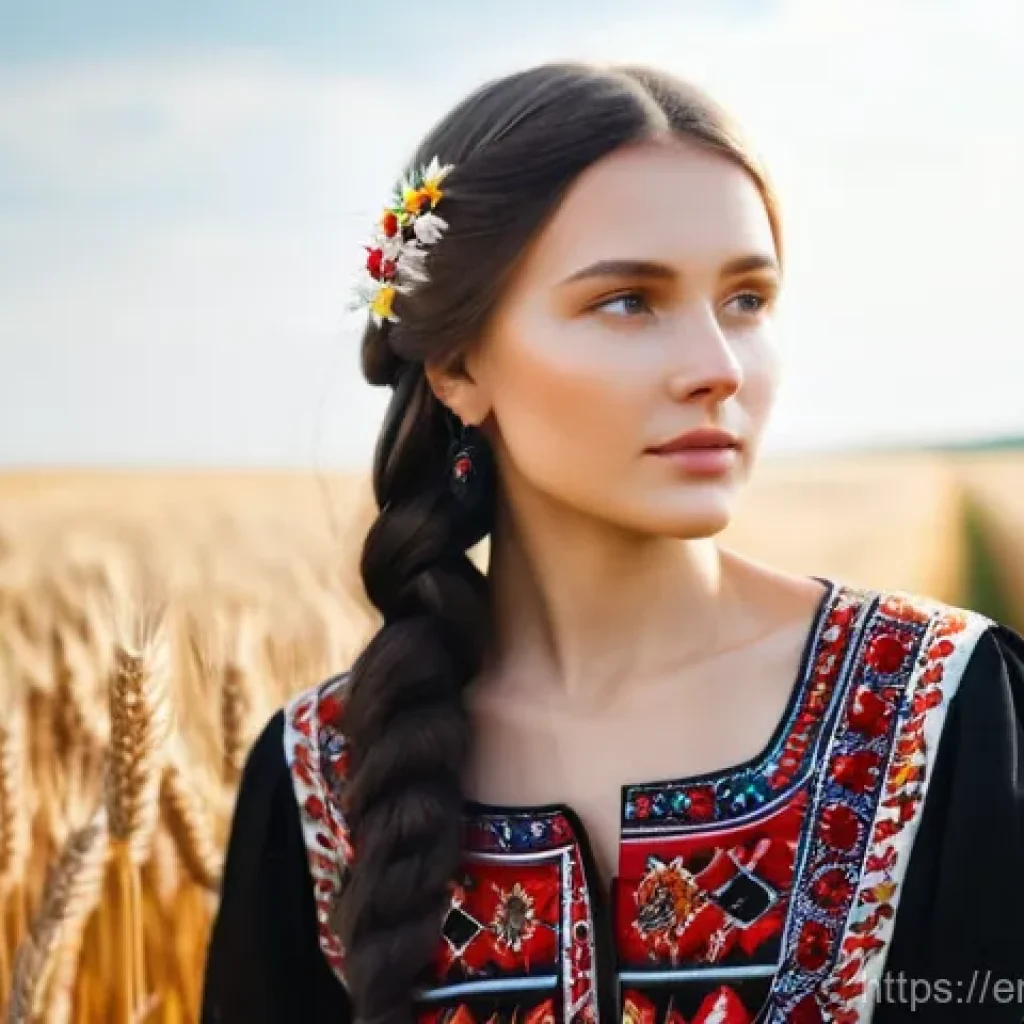
Hey everyone! I’ve been absolutely captivated lately by something truly special: the incredible world of Ukrainian traditional crafts. You know, in our fast-paced digital age, it’s easy to overlook the beauty and depth of handmade artistry, but Ukraine’s heritage is bursting with it.
What’s truly inspiring is how these ancient techniques—think vibrant pysanky, intricate embroidery, and stunning pottery—aren’t just relics of the past.
They’re alive, evolving, and serving as a powerful testament to the resilience and spirit of the Ukrainian people. I’ve personally seen how global interest in supporting artisans and preserving cultural identity has surged, and these crafts are at the forefront, finding new life in contemporary designs and reaching audiences worldwide.
It’s more than just beautiful objects; it’s about stories, history, and a vibrant culture refusing to be silenced. We’re going to dive into how these timeless traditions are not only being preserved but also reinvented by a new generation of incredibly talented artisans.
Let’s explore it in detail below!
The Soul of Ukrainian Artistry: A Glimpse into Heritage
There’s something incredibly powerful about holding a piece of history in your hands, isn’t there? That’s exactly how I feel about Ukrainian traditional crafts. It’s not just about an object; it’s a tangible connection to generations of stories, resilience, and breathtaking creativity. In a world that often feels like it’s spinning too fast, these ancient arts offer a grounding force, a reminder of the enduring beauty of human ingenuity and spirit. When I first delved into this vibrant world, I was utterly mesmerized by the intricate details and the profound symbolism woven into every stitch, every brushstroke, every piece of clay. It quickly became clear that these crafts are far more than mere decorations; they are the heart and soul of a nation, a living chronicle of its past, and a beacon of hope for its future. The depth of skill and dedication that goes into creating these masterpieces is truly astounding, and it’s a testament to the unwavering spirit of the Ukrainian people. I’ve found myself spending hours just admiring a single embroidered piece, tracing the patterns with my finger, and imagining the hands that created it, each one carrying on a legacy.
Why These Traditions Matter Now More Than Ever
Right now, in particular, these traditions carry an even weightier significance. They’re not just beautiful artifacts; they are potent symbols of cultural identity and national pride. For many, engaging with these crafts is an act of defiance, a way to assert their heritage and keep it vibrant in the face of adversity. I’ve witnessed firsthand how a simple embroidered shirt, a beautifully painted egg, or a piece of handcrafted pottery can ignite conversations and foster a deeper understanding of Ukraine’s rich history and current struggles. It’s a way for the world to connect with and appreciate the enduring strength of its people, and that connection feels more vital than ever. The global community’s renewed interest isn’t just about appreciating art; it’s about standing in solidarity with a culture that refuses to be erased. This makes every purchase and every shared story a powerful statement.
My First Encounter: A Deep Dive into Authenticity
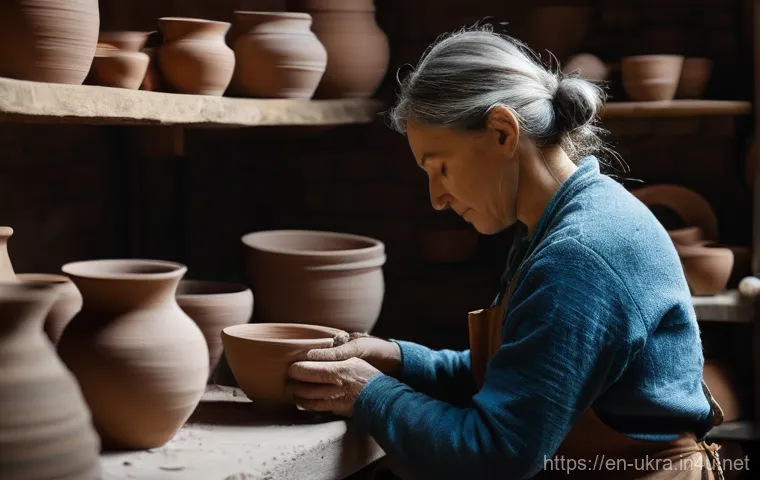
I still remember my first time truly connecting with Ukrainian crafts. It wasn’t through a book or a museum, but at a small, bustling market where an elderly artisan was meticulously working on a piece of pottery. The way her hands moved with such practiced grace, the earthy scent of the clay, the sheer concentration on her face – it was captivating. She told me stories of her grandmother teaching her, of patterns passed down through generations, and of the unique clays found in her region. It wasn’t just a transaction; it was an experience, a living lesson in cultural preservation. That encounter solidified for me that these aren’t just commodities, but vessels of history and passion. It made me realize that the true value lies not just in the finished product, but in the hands that create it and the stories they carry. That personal touch, that sense of genuine connection, is what truly sets these crafts apart and makes them so incredibly special.
Stitching Stories: The Enduring Beauty of Ukrainian Embroidery
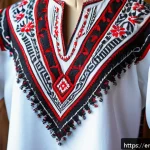
If there’s one Ukrainian craft that has truly captured my heart and imagination, it has to be embroidery, known as vyšyvanka. It’s more than just decorative needlework; it’s an intricate language of threads, each pattern and color carrying profound meaning and history. Every region, sometimes even every village, boasts its own unique patterns, symbols, and color palettes, making each piece a distinct geographical and cultural signature. I’ve spent countless hours poring over different designs, trying to decipher the stories they tell – tales of protection, fertility, love, and connection to nature. The level of detail and precision that goes into these garments is simply astonishing, a testament to the incredible skill and patience of the artisans. Wearing a vyšyvanka isn’t just a fashion statement; it’s an embrace of heritage, a walking piece of art that literally drapes you in history and tradition. I’ve found myself feeling a deep sense of connection to the culture every time I see someone proudly wearing their embroidered garments, whether it’s for a special occasion or simply as everyday wear. The sheer variety and beauty are something truly to behold, and it continues to evolve while honoring its roots.
The Language of Threads: Symbolism in Vyšyvanka
What truly fascinates me about Ukrainian embroidery is its rich tapestry of symbolism. Each geometric shape, each stylized animal or plant, carries a specific meaning, often rooted in ancient pagan beliefs and later integrated with Christian traditions. For instance, the eight-pointed star (alatyrs) is a powerful protective amulet, while a diamond shape can symbolize fertility and the earth. The colors themselves are significant: red for love and passion, black for the earth and protection from evil, white for purity. When you understand this “language,” a vyšyvanka transforms from a beautiful garment into a deeply personal narrative, a coded message worn proudly on the sleeve. I remember learning about the “tree of life” motif, often seen in central Ukraine, symbolizing the continuous cycle of life and generations. It’s like wearing a personalized blessing or a protective charm, crafted with intention and love. This depth of meaning elevates the craft far beyond simple aesthetics.
Modern Interpretations: From Catwalks to Everyday Wear
While steeped in tradition, Ukrainian embroidery is far from static. I’ve been so excited to see how contemporary designers are reinterpreting these classic motifs, bringing them to a global audience with fresh, modern twists. We’re seeing elements of vyšyvanka appearing on high fashion runways, incorporated into chic blouses, dresses, and even accessories. But perhaps even more importantly, younger generations in Ukraine and abroad are embracing it as stylish everyday wear, proudly showcasing their heritage in a contemporary context. It’s truly inspiring to witness this evolution, where ancient techniques meet modern aesthetics, ensuring that the craft remains relevant and continues to thrive. I’ve personally experimented with incorporating embroidered pieces into my own wardrobe, pairing a traditional blouse with modern jeans, and I always get compliments and questions about its origin. This fusion ensures the craft isn’t relegated to museums but lives on in vibrant, everyday fashion, making it accessible and appealing to a broader audience.
Pysanky Power: More Than Just Easter Eggs
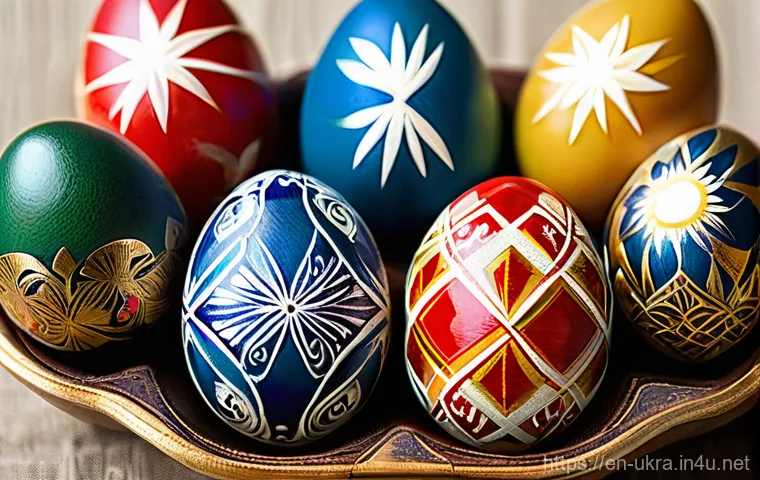
Oh, pysanky! If you’ve never encountered these incredible Ukrainian Easter eggs, you are truly in for a treat. Calling them “Easter eggs” almost feels like an understatement because they are so much more than that. They are miniature works of art, each one meticulously crafted using a wax-resist dyeing technique that has been passed down for centuries. The process is incredibly delicate and demands immense patience and a steady hand, but the results are absolutely breathtaking. I’ve always been fascinated by the intricate geometric patterns, the vibrant colors, and the sheer artistry involved in transforming a fragile eggshell into a durable symbol of life and hope. It’s a truly meditative process, layer by layer, color by color, revealing a stunning design beneath the wax. I once attempted to make one myself, and let me tell you, it gave me a newfound appreciation for the skill involved! My attempt was… rustic, to say the least, but the experience was incredibly rewarding and deepened my respect for the artisans who master this ancient art form.
The Ancient Art of Wax-Resist Dyeing
The technique behind pysanky is absolutely ingenious. Artisans use a special tool called a kistka, which is essentially a small funnel attached to a handle, to apply melted beeswax onto the eggshell. These wax lines act as a resist, protecting the covered areas from the dye. The egg is dipped into progressively darker dyes, with more wax applied after each color to preserve the lighter hues. Finally, the wax is carefully melted off, revealing the intricate, multi-colored design beneath. It’s a magical reveal every time! This meticulous process requires incredible precision and foresight, as the artist must plan the entire design before a single drop of dye is applied. The layers of wax and dye represent the layers of history and meaning embedded within each egg, making the final reveal even more poignant. It’s a true test of skill and dedication, and the patience required is immense, but the results are always spectacular and deeply satisfying to behold.
Messages of Hope: Pysanky as Cultural Symbols
Beyond their aesthetic appeal, pysanky are imbued with deep symbolism. Each color, each motif, carries a specific meaning, often related to fertility, health, protection, and prosperity. For example, a net pattern symbolizes Christ as the fisher of men, while a sun motif represents good fortune and growth. They are traditionally given as gifts, carrying wishes of well-being and good fortune for the recipient. In times of adversity, pysanky become even more powerful symbols of hope and resilience, affirming life and continuity. I’ve seen some incredible modern interpretations that incorporate traditional motifs with contemporary messages, turning these ancient artifacts into relevant cultural statements for today. It’s a wonderful way to keep the tradition alive while allowing it to speak to current experiences. The messages of hope and renewal embedded in these eggs resonate deeply, especially when the world feels uncertain, making them powerful talismans of optimism.
Earthen Wonders: Ukrainian Pottery Through the Ages
When you think of Ukrainian crafts, embroidery and painted eggs often come to mind first, but let me tell you, Ukrainian pottery is a hidden gem that absolutely deserves its moment in the spotlight. From ancient times, the fertile lands of Ukraine have provided rich clay, leading to a vibrant and diverse tradition of ceramics. What I find particularly captivating is the sheer variety across different regions – each area boasts its own characteristic forms, glazing techniques, and decorative styles. From the utilitarian beauty of everyday kitchenware to intricately decorated ceremonial vessels, Ukrainian potters have always infused their creations with both practicality and profound artistry. I’ve always been drawn to handmade ceramics; there’s a warmth and authenticity you just don’t get from mass-produced items. Holding a piece of Ukrainian pottery, you can almost feel the connection to the earth and the hands that shaped it, carrying centuries of craft knowledge. It’s a truly tactile experience that grounds you.
From Ancient Kilns to Contemporary Studios
The history of pottery in Ukraine stretches back millennia, with archaeological finds revealing sophisticated ceramic traditions dating back to the Trypillian culture. Fast forward to today, and while the kilns might be more modern, the spirit of craftsmanship remains vibrantly alive. I’ve been so inspired by contemporary Ukrainian potters who are blending these ancient techniques with fresh, innovative designs. They’re not just replicating the past; they’re reimagining it, creating pieces that feel both timeless and incredibly modern. You can find everything from rustic, unglazed pieces that speak to an ancient connection to the earth, to brightly colored, intricately painted ceramics that would look perfect in any contemporary home. This evolution ensures that the craft continues to attract new enthusiasts and collectors, preventing it from becoming merely a relic. It’s thrilling to see how artisans are pushing boundaries while still honoring the deep roots of their heritage, creating truly unique and desirable pieces.
The Functional Artistry of Ukrainian Ceramics
One of the things I truly appreciate about Ukrainian pottery is its beautiful blend of form and function. Many pieces are not just decorative; they are designed to be used and cherished in daily life. Think of the richly decorated ceramic bowls perfect for serving a hearty borscht, or the charming pitchers that bring a touch of traditional elegance to your table. This functional artistry is a hallmark of Ukrainian craft, reflecting a philosophy where beauty and utility are intertwined. I personally believe that true art should enhance our everyday lives, and these ceramics do exactly that. They elevate ordinary moments into something special, reminding us of the rich cultural tapestry from which they emerged. It’s wonderful to own a piece that not only looks stunning but also serves a purpose, making it a constant source of joy and cultural connection in your home. This makes them perfect for gifts or as cherished additions to your own collection, constantly reminding you of their unique provenance.
Crafting Resilience: How Artisans Keep Traditions Alive
It’s truly awe-inspiring to witness the sheer resilience of Ukrainian artisans, especially in recent times. They are not just creating beautiful objects; they are actively preserving a vital part of their national identity and heritage through their craft. In a world increasingly dominated by mass production, these artisans stand as guardians of traditional skills and knowledge, ensuring that techniques passed down through generations don’t simply fade away. I’ve heard countless stories of artists continuing to work under unimaginable circumstances, using their art not only as a means of livelihood but also as a powerful form of cultural resistance and expression. This dedication is incredibly moving and speaks volumes about the intrinsic value they place on their craft. It’s a powerful reminder that art can be a source of strength, solace, and a defiant act of hope, a true testament to the human spirit that refuses to be silenced or forgotten. Their commitment ensures that these intricate skills continue to inspire and flourish for generations to come, enriching the cultural landscape.
Preserving Skills for Future Generations
One of the biggest challenges, and triumphs, for traditional crafts is the intergenerational transfer of knowledge. It’s not enough to simply create; the skills must be taught, nurtured, and passed on. I’ve seen some incredible initiatives where master artisans are actively mentoring younger generations, ensuring that the intricate techniques of embroidery, pysanky, and pottery don’t disappear. This mentorship is crucial, as much of this knowledge is tacit, learned through hands-on practice and observation rather than written instruction. It’s a beautiful cycle of learning and teaching, a continuous thread connecting past, present, and future. Supporting these artisans directly means you’re not just buying an object; you’re investing in the future of a cultural legacy, helping to fund workshops, apprenticeships, and the essential tools needed to keep these traditions vibrant and alive. It’s a powerful way to contribute to the preservation of human skill and artistic heritage.
The Economic Impact of Handmade Goods
Beyond the cultural significance, the production and sale of traditional crafts also play a vital role in the economic well-being of many Ukrainian communities and individual artisans. For many, this is their primary source of income, providing stability and a means to rebuild their lives. When you choose to purchase an authentic handmade item, you’re not just acquiring a unique piece of art; you’re directly supporting an artist, their family, and their community. This direct support helps sustain local economies and fosters a sense of empowerment among craftspeople. I’ve always believed in the power of conscious consumption, and buying ethically sourced, handmade goods from Ukraine is a tangible way to make a positive impact. It’s about recognizing the true value of human labor, creativity, and tradition, and choosing to invest in it rather than opting for mass-produced alternatives. This economic lifeline is more critical now than ever, providing a sustainable path forward for many.
| Craft Type | Key Characteristics | Common Motifs/Symbols | Modern Relevance |
|---|---|---|---|
| Vyšyvanka (Embroidery) | Intricate needlework on garments, diverse regional patterns. | Geometric shapes, flora/fauna, eight-pointed stars, “tree of life.” | Fashion statements, cultural pride, everyday wear, protective symbolism. |
| Pysanky (Easter Eggs) | Wax-resist dyeing on eggshells, vibrant colors. | Sun, stars, plant motifs, religious symbols, geometric patterns. | Gifts of good fortune, symbols of hope, artistic expression. |
| Ceramics/Pottery | Functional and decorative clay items, unique regional styles. | Animal figures, geometric patterns, floral designs, traditional glazes. | Homeware, artistic decor, culinary tools, cultural souvenirs. |
From Ancient Hands to Modern Homes: Ukrainian Crafts in the 21st Century
It’s truly exciting to see how Ukrainian traditional crafts are seamlessly transitioning from historical artifacts to beloved additions in modern homes and wardrobes around the world. What once might have been confined to museums or traditional celebrations is now finding its way into contemporary design, proving that timeless beauty truly transcends eras. I’ve personally been so impressed by the thoughtful ways designers and artisans are adapting these ancient forms and patterns for today’s tastes, without sacrificing an ounce of their authenticity or cultural significance. This isn’t just about preserving the past; it’s about actively evolving it, ensuring that these rich traditions remain vibrant and relevant for new generations and global audiences. It’s a delicate balance, but one that Ukrainian craftspeople are mastering with incredible grace and innovation, showcasing their remarkable adaptability and creativity. This dynamic approach keeps the crafts fresh and appealing, drawing in new admirers constantly.
Bridging Generations: Young Artisans Taking the Helm
One of the most encouraging trends I’ve observed is the growing number of young, talented artisans who are passionately embracing and reinventing these traditional crafts. They’re bringing fresh perspectives, experimenting with new materials, and leveraging digital platforms to share their work with a global audience. These young innovators are not only mastering age-old techniques but also infusing them with contemporary flair, creating pieces that appeal to a younger, design-conscious demographic. It’s a beautiful bridge between generations, where the wisdom of the elders is combined with the fresh energy and entrepreneurial spirit of the youth. I’ve seen several young designers who take traditional embroidery patterns and apply them to modern fashion items, or create minimalist pottery with traditional glazing techniques. This infusion of new blood is crucial for the long-term vitality of these crafts, ensuring they don’t just survive but thrive and continue to evolve in exciting ways, reaching new markets and inspiring future creatives.
Global Reach: How the World is Embracing Ukrainian Design
The beauty and resilience embedded in Ukrainian crafts are resonating deeply across the globe, leading to a significant surge in international interest and appreciation. Thanks to online marketplaces and social media, these incredible works of art are more accessible than ever before, reaching homes and galleries far beyond Ukraine’s borders. People are actively seeking out authentic, handmade items that tell a story, and Ukrainian crafts fit that bill perfectly. I’ve noticed a real movement towards valuing craftsmanship, cultural heritage, and ethical production, and Ukrainian artisans are at the forefront of this trend. It’s truly wonderful to see this global embrace, not just as a commercial success but as a profound cultural exchange, fostering understanding and connection between people from different parts of the world. This international spotlight helps not only the artisans economically but also shines a light on the rich cultural tapestry of Ukraine, building bridges through art.
Supporting a Legacy: Making a Difference with Every Purchase
Beyond simply admiring their beauty, actively supporting Ukrainian traditional crafts is one of the most impactful ways we can contribute to the preservation of a precious cultural legacy and offer tangible assistance to the artisans themselves. Every purchase, no matter how small, sends a powerful message of solidarity and appreciation, directly supporting the livelihoods of incredibly talented individuals and their communities. It’s not just about acquiring a beautiful object; it’s about making a conscious choice to invest in heritage, craftsmanship, and the enduring human spirit. I’ve personally felt a deep sense of satisfaction knowing that my purchases are helping to keep these traditions alive and providing vital support during challenging times. It transforms a simple transaction into a meaningful act of global citizenship, strengthening cultural ties and helping to ensure that these invaluable art forms continue to flourish for generations to come. Your support truly makes a world of difference.
Where to Find Authentic Ukrainian Crafts
Finding authentic Ukrainian crafts has become much easier thanks to the incredible work of online platforms and dedicated initiatives. Many artisans now have their own online shops, or you can find their work on curated marketplaces specializing in ethical and handmade goods. I always recommend looking for platforms that directly connect you with the artisans or organizations that prioritize fair trade practices, ensuring that your money goes directly to support the craftspeople. Keep an eye out for detailed descriptions of the craft techniques, the materials used, and ideally, a little background story about the artisan or collective. Supporting smaller, independent creators often means you’re getting a truly unique piece with a rich personal history behind it. There are also many reputable non-profit organizations working to support Ukrainian artisans, and purchasing from them is another excellent way to contribute meaningfully, knowing your funds are helping a broader cause. Seek out those genuine connections, and you’ll find treasures.
Investing in Culture: Why Your Support Matters
Ultimately, supporting Ukrainian traditional crafts is an investment in culture, in history, and in the enduring power of human creativity. It’s about recognizing that these beautiful objects are more than just commodities; they are cultural touchstones, carrying the soul of a nation. By purchasing and appreciating these crafts, we help to ensure that these ancient traditions continue to thrive, inspiring future generations and enriching the global tapestry of art and heritage. Your support helps provide artisans with the resources they need to continue their work, to teach apprentices, and to innovate, ensuring that these skills are not lost to time. I truly believe that in an increasingly homogenized world, the unique beauty and profound stories held within these handmade objects become even more valuable. They remind us of our shared humanity and the incredible diversity of artistic expression that makes our world so vibrant. It’s an investment that pays dividends in cultural richness and meaningful connection.
글을 마치며
As we wrap up our journey through the incredible world of Ukrainian traditional crafts, I hope you’ve felt the same warmth and awe that I do. It’s truly more than just art; it’s a living, breathing testament to an ancient culture, woven with stories, resilience, and an unwavering spirit. Every embroidered stitch, every painted egg, every handcrafted piece of pottery tells a tale of generations, offering a profound connection to a heritage that continues to inspire. Holding these pieces, I always feel a surge of respect for the hands that shaped them and the heart that poured into their creation. It’s a privilege to share this beauty with you, and I truly believe that by appreciating and supporting these crafts, we’re not just admiring art, but actively participating in the preservation of something truly priceless. Thank you for joining me on this deeply moving exploration.
알아두면 쓸모 있는 정보
1. When considering a purchase of Ukrainian traditional crafts, it’s absolutely vital to seek out reputable sources. Look for online stores or galleries that directly support artisans or work with established cultural organizations. This not only guarantees the authenticity of your piece but also ensures that your investment directly contributes to the livelihood of the craftspeople and the continuation of their invaluable skills. Always be a discerning buyer, and don’t hesitate to ask about the provenance of the item; a transparent seller will gladly share the story behind the art.
2. Understanding the symbolism embedded within each craft can profoundly enhance your appreciation. For instance, the colors in Vyshyvanka aren’t chosen arbitrarily; red often signifies love and protection, while black can represent the earth and prosperity. Taking a moment to research the specific meanings of patterns and colors will transform your beautiful object into a deep cultural narrative, allowing you to connect on a more meaningful level with its history and the intentions of its creator.
3. Caring for these precious handmade items is key to their longevity. For textiles like embroidered shirts, gentle hand washing with mild soap and air drying is often recommended to preserve the delicate threads and colors. Pottery should be handled with care, avoiding extreme temperature changes which can cause cracking, and it’s usually best to clean them with soft cloths rather than abrasive sponges to maintain their finish.
4. Many Ukrainian artisans offer virtual workshops or online demonstrations, providing an incredible opportunity to learn a traditional technique from the comfort of your home. I’ve personally found these experiences to be incredibly enriching, offering a hands-on insight into the meticulous processes involved. Even attempting a simple Pysanky design or basic embroidery stitch will give you a newfound respect for the mastery these craftspeople possess, making your own collection even more special.
5. Consider sharing the stories of your Ukrainian crafts with friends and family. Each piece is a conversation starter, a tangible link to a vibrant culture. By showcasing these items and explaining their significance, you become an ambassador for Ukrainian heritage, helping to spread awareness and appreciation for these beautiful art forms globally. Your enthusiasm can inspire others to explore and support these traditions, creating a ripple effect of cultural preservation and connection.
중요 사항 정리
To truly summarize the heart of Ukrainian artistry, it’s essential to remember that these traditional crafts are not merely decorative objects; they are vibrant, living testaments to an enduring culture. From the intricate narratives woven into Vyshyvanka to the deeply symbolic Pysanky and the grounding beauty of Ukrainian pottery, each piece carries centuries of history, profound cultural meaning, and the unwavering spirit of its people. These crafts serve as powerful symbols of identity, resilience, and hope, particularly in challenging times, offering a tangible connection to a rich heritage. By actively supporting the artisans who dedicate their lives to these traditions, whether through purchasing their work, learning about their techniques, or simply sharing their stories, we contribute directly to the preservation of invaluable skills and the flourishing of a unique cultural legacy, ensuring these beautiful art forms continue to inspire and connect generations across the globe. Your conscious engagement truly makes you a part of this living history.
Frequently Asked Questions (FAQ) 📖
Q: What exactly are Ukrainian traditional crafts, and what makes them so special?
A: Oh, where do I even begin? When I first started diving into Ukrainian crafts, I was absolutely captivated by the sheer diversity and depth. You’ve probably heard of pysanky, those breathtakingly intricate Easter eggs decorated with wax-resist techniques.
Each one tells a story, a tiny masterpiece of symbolism and color, often passed down through generations. But it’s so much more than just eggs! There’s also the incredible vyshyvanka, the traditional embroidered clothing.
I’ve personally seen pieces where the stitching is so fine, it looks almost painted, with patterns that have been meticulously preserved, each symbol carrying meaning, from protection to prosperity.
And let’s not forget the pottery! The traditional Oposhnya pottery, for instance, with its distinct patterns and rich earthy tones, feels so incredibly authentic and connected to the land.
What truly makes them special, I believe, is the soul poured into each piece. It’s not just an object; it’s a piece of history, a prayer, a wish, all brought to life by skilled hands.
Every time I see one, I feel a real connection to the artisans and the centuries of tradition they represent.
Q: Why is there such a renewed interest in these crafts today, especially considering current events?
A: That’s a fantastic question, and one I’ve been pondering a lot lately. I think it’s multifaceted. On one hand, there’s a growing global appreciation for handmade, authentic goods that stands in stark contrast to mass-produced items.
People are genuinely seeking items with a story, and Ukrainian crafts have stories in spades! But let’s be honest, the incredibly challenging times Ukraine has faced have undeniably played a significant role.
These crafts have become incredibly powerful symbols of resilience, cultural identity, and an unwavering spirit. When you see a vibrant pysanka or a beautifully embroidered shirt, it’s more than just art; it’s a testament to a culture refusing to be silenced, to beauty enduring amidst adversity.
I’ve personally witnessed how people worldwide are looking for ways to show solidarity and support, and purchasing these crafts is a direct, tangible way to do that, ensuring artisans can continue their work and keep their heritage alive.
It’s truly heartwarming to see this global embrace.
Q: How are young Ukrainian artisans keeping these ancient traditions alive while also making them relevant for today’s world?
A: This is where it gets really exciting, in my opinion! It’s not just about preserving the past; it’s about reinventing it, too. I’ve been following several contemporary Ukrainian artisans, and what they’re doing is absolutely brilliant.
They’re taking those age-old techniques – whether it’s the intricate weaving for kilims (tapestries) or the delicate painting for ceramics – and infusing them with a fresh, modern aesthetic.
Think traditional embroidery patterns on chic, contemporary fashion items, or classic pottery shapes given a minimalist, modern glaze that would fit perfectly in any stylish home.
They’re not abandoning the roots; they’re just giving the branches new life and a contemporary appeal. By doing this, they’re not only attracting a younger generation within Ukraine who want to connect with their heritage in a fresh way, but also capturing the attention of international buyers who appreciate both the deep historical context and the modern design sensibility.
It’s a wonderful synergy that proves these traditions are not just historical artifacts, but vibrant, evolving art forms with a very bright future.