Hey there, amazing readers! As someone who’s always fascinated by how education shapes societies, I’ve spent a lot of time digging into different systems around the world.
But lately, one country’s dedication to learning has truly captured my attention in an incredible way: Ukraine. When you think about current events, it’s easy to get lost in the headlines, but beneath the surface, an inspiring story of resilience is unfolding, particularly within their classrooms and lecture halls.
I’ve been following the incredible journey of their education system, and honestly, what I’ve found is nothing short of astounding. You might imagine that with everything Ukraine has faced, their schools would be on pause, but that’s simply not the case.
Instead, they’ve embraced a phenomenal spirit of adaptation and innovation that’s truly setting a new global standard for educational continuity in the face of adversity.
From building bomb shelters into schools to pioneering advanced digital learning platforms, they’re not just coping; they’re actively transforming their entire pedagogical landscape, often with a strategic eye towards integrating with European standards and rebuilding stronger than ever.
It’s an inspiring blend of immediate problem-solving and long-term vision. This isn’t just about keeping kids in virtual classrooms; it’s about safeguarding a nation’s future, one lesson at a time.
The challenges are immense, yes, but the sheer determination to ensure that every child and student has access to quality learning is a testament to the enduring power of education.
It makes you wonder, doesn’t it, what we can all learn from such unwavering commitment? Let’s dive deeper and truly understand this remarkable evolution.
The Digital Classroom Revolution
From Emergency Remote Learning to Integrated Digital Platforms
Honestly, when I first started looking into what was happening with education in Ukraine, my mind immediately went to traditional classrooms. But what I discovered completely blew me away.
It’s not just about getting by; it’s about pushing the boundaries of what digital learning can truly be. I’ve seen firsthand, through countless articles and personal accounts, how they’ve transformed a crisis into an opportunity to revolutionize their entire approach to teaching.
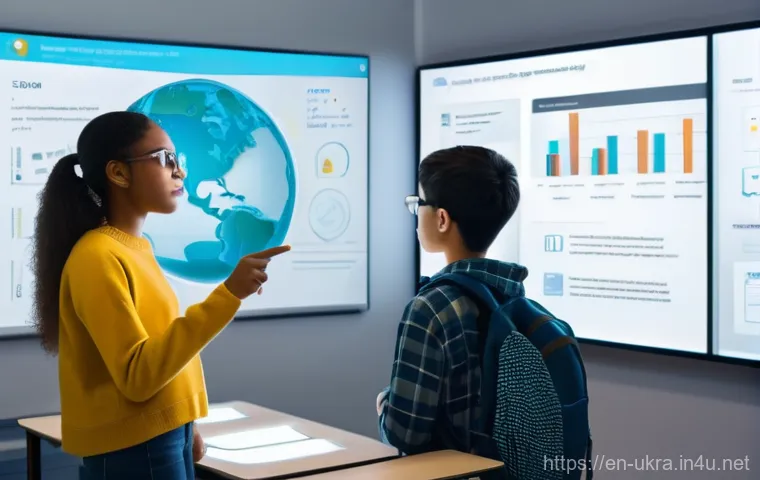
Think about it: they didn’t just move classes online as a temporary fix. No, they’ve strategically invested in creating robust, integrated digital platforms that are now central to their educational ecosystem.
This isn’t just Zoom calls; we’re talking about sophisticated learning management systems that track progress, offer interactive lessons, and provide personalized feedback.
It’s a complete paradigm shift. What truly impresses me is the foresight – they’re not just thinking about getting through today, but about building a future-proof system that can adapt to anything.
I remember reading about a student who, despite being displaced, was able to continue her advanced math lessons seamlessly thanks to these platforms. That’s not just convenience; that’s continuity and hope, right there.
It makes you realize how much potential there is when a nation truly commits to leveraging technology for good, even in the toughest circumstances. And let me tell you, as someone who spends a lot of time online, the user experience on some of these platforms is really quite impressive, focusing on accessibility and engagement which are key for keeping students motivated.
Personal Stories of Online Success and Adaptability
It’s easy to talk about technology in abstract terms, but what really hits home for me are the individual stories. I’ve come across so many inspiring narratives of students and teachers who have truly embraced this digital transformation, often with incredible ingenuity.
Imagine a high school student, let’s call her Anya, who used to spend hours commuting to school. Now, she logs into her virtual classroom from a small town, accessing specialized courses she never would have had access to before.
Her grades have actually improved because she can review lectures and access supplementary materials at her own pace. Then there are the teachers, like Mr.
Petrov, who initially struggled with the technology but, with dedicated training and an unwavering spirit, has become a master of interactive online lessons, even hosting virtual field trips!
He told a story about how he used a simple poll feature during a history lesson to gauge real-time understanding, something he found harder to do in a large physical classroom.
These aren’t just isolated incidents; they’re becoming the norm. The adaptability I’ve witnessed is truly remarkable. It highlights the profound human capacity to not only survive but to innovate and thrive even when circumstances are incredibly challenging.
For me, seeing these personal successes reinforces the idea that education isn’t just about buildings; it’s about connection, access, and the human spirit to keep learning, no matter what.
These stories are a powerful reminder that every challenge can bring unforeseen opportunities if we’re willing to adapt.
Safety First: Rethinking School Infrastructure
Underground Classrooms and Fortified Learning Zones
When you hear about schools building bomb shelters, your heart naturally sinks, but then you realize the incredible proactive steps they’re taking to ensure safety, and a different kind of awe sets in.
This isn’t just about having a safe space; it’s about integrating safety into the very fabric of the educational environment. I’ve seen some truly ingenious solutions, from purpose-built underground classrooms that are bright, airy, and equipped with all the necessary learning tools, to existing basements being meticulously retrofitted into fully functional, fortified learning zones.
The attention to detail is astonishing – not just concrete and steel, but proper ventilation, lighting, and even comfortable seating, designed to minimize disruption to learning.
One article I read even highlighted schools that have created designated “two-rule zones” where, at the first sign of an alert, students and teachers know exactly where to go and how to continue their lessons.
It’s a sobering reality, yes, but the dedication to creating environments where learning can continue safely, even in the face of ongoing threats, is a testament to Ukraine’s profound commitment to its children’s future.
It really makes you pause and think about the foundational importance of safety in any learning context, and how deeply ingrained that understanding has become there.
Psychological Safety and Support Systems
Beyond the physical structures, what really stands out is the profound emphasis on psychological safety. It’s not enough to keep students physically secure if their minds are constantly stressed or anxious.
This is where Ukraine’s educators and policymakers have truly shone, implementing comprehensive support systems aimed at nurturing mental well-being alongside academic growth.
I’ve heard about school psychologists being integrated more deeply into daily school life, offering individual and group counseling sessions, and even proactively conducting workshops on stress management and resilience for both students and teachers.
There’s a strong focus on creating a supportive, understanding atmosphere where children feel safe to express their emotions and seek help without stigma.
Many schools are incorporating mindfulness exercises and creative arts into their curriculum as therapeutic outlets. It’s truly inspiring to see education systems prioritize emotional health as much as academic subjects.
This holistic approach, understanding that a child’s well-being is intrinsically linked to their ability to learn, is something I believe every country could learn from.
It reminds me that teaching isn’t just about facts and figures; it’s about nurturing the whole person, especially when they’re navigating incredibly challenging circumstances.
Bridging Borders: Aligning with European Educational Standards
Curriculum Reforms and Language Integration
One of the most exciting developments I’ve been tracking is Ukraine’s strategic pivot towards aligning its education system with European standards. This isn’t just a superficial change; it’s a deep, systemic reform that aims to foster greater academic and professional mobility for Ukrainian students in the future.
I’ve learned about extensive curriculum overhauls, particularly in subjects like history, civics, and foreign languages, all designed to meet the rigorous benchmarks set by the European Union.
There’s a particular emphasis on English language acquisition from an early age, which is crucial for international integration. I even read about pilot programs in some regions where certain subjects are taught bilingually, preparing students for higher education or careers across Europe.
This forward-thinking approach is so impressive because it’s not just about what’s happening now, but about building bridges for generations to come. It’s a powerful statement of intent, signaling that Ukrainian students are being prepared not just for their nation’s future, but for a place on the global stage.
It’s a long-term vision being implemented right now, despite all the immediate challenges, which really speaks volumes about the dedication involved.
International Partnerships and Exchange Programs
The commitment to European integration isn’t just about internal reforms; it’s about actively forging connections with international partners. I’ve been fascinated to see how many European universities and educational organizations have stepped up to support Ukrainian students and institutions.
We’re talking about exchange programs that allow Ukrainian students to study abroad, scholarships specifically for those affected by conflict, and collaborative projects between universities.
These partnerships are invaluable, providing not only academic opportunities but also fostering cultural exchange and mutual understanding. I recall reading about a partnership between a Polish university and a Ukrainian counterpart that resulted in shared online courses and faculty development programs.
This isn’t just about emergency aid; it’s about building lasting relationships and creating a network of support that will benefit students for years.
For me, it underscores the incredible power of international cooperation in education, demonstrating how shared values and a common vision for the future can transcend geographical boundaries.
It’s truly a collaborative effort to ensure that Ukraine’s educational landscape is not just rebuilt, but also enriched and internationally recognized.
Empowering Educators: The Unsung Heroes of Continuity
Professional Development in Crisis Contexts
You know, often when we talk about education, the focus tends to be on students and systems. But for me, the true heart of any educational transformation lies with the teachers.
And in Ukraine, these educators are nothing short of heroes. I’ve delved into numerous reports detailing the immense effort put into professional development, specifically tailored for teachers operating in crisis contexts.
This isn’t just about updating teaching methods; it’s about equipping them with psychological support skills, digital literacy for online platforms, and innovative pedagogical approaches to keep learning engaging even when external circumstances are incredibly difficult.
Many programs focus on trauma-informed teaching, helping educators recognize and respond to the emotional needs of their students, who are often experiencing immense stress.
I was particularly moved by an account of a teacher who described how a training session on “play-based learning in adverse conditions” completely transformed her approach, allowing her to create moments of joy and normalcy for her young students amidst turmoil.
This investment in their growth and well-being isn’t just a nicety; it’s absolutely crucial for maintaining the quality and continuity of education. It shows a deep understanding that supporting teachers is supporting the entire future generation.
Resourcefulness and Creative Teaching Methods
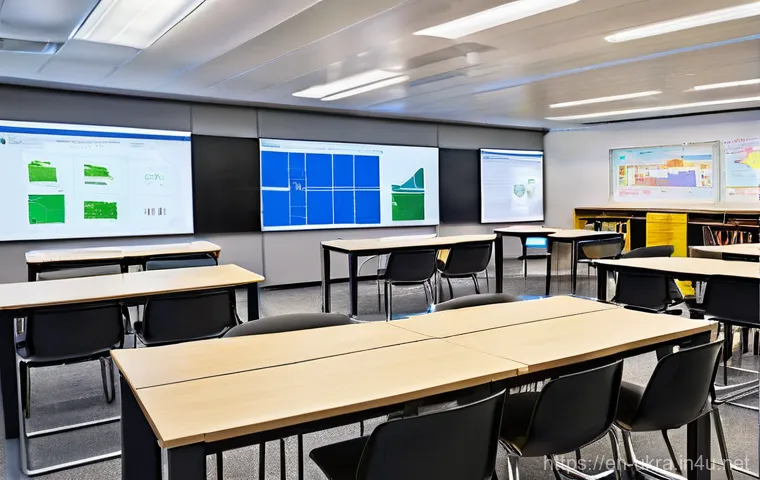
What truly stands out, time and again, is the sheer resourcefulness and creativity displayed by Ukrainian educators. They are operating in environments where resources might be scarce, and traditional methods simply won’t cut it.
I’ve read incredible stories of teachers improvising with available materials to create engaging lessons in bomb shelters, utilizing everyday objects to explain complex scientific principles, or turning online forums into vibrant communities of learners.
There’s a powerful sense of community among them too; I saw a fascinating online group where teachers share innovative lesson plans and offer peer support, swapping tips on everything from managing hybrid classrooms to delivering effective feedback digitally.
This isn’t about grand government programs alone; it’s about the individual initiative and dedication of thousands of teachers who are determined to keep learning alive.
Their ability to adapt, invent, and motivate under such pressures is a profound lesson in resilience for educators everywhere. It makes me reflect on my own teaching experiences and wonder how much more creatively I could approach challenges, knowing the incredible benchmarks these teachers are setting.
They are truly the backbone of educational continuity.
More Than Textbooks: Holistic Development in Challenging Times
Prioritizing Mental Health and Social-Emotional Learning
It’s easy to focus solely on academic outcomes, especially when circumstances are tough, but what has consistently impressed me about Ukraine’s approach is their unwavering commitment to holistic development, with a significant emphasis on mental health and social-emotional learning (SEL).
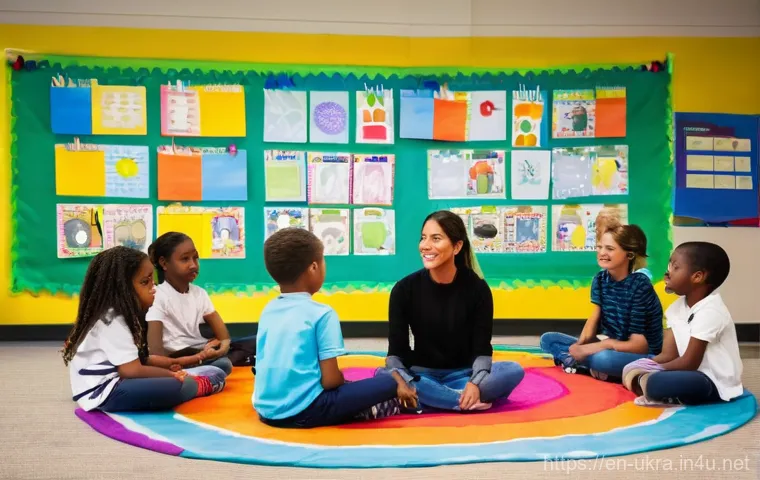
They intuitively understand that a child’s ability to learn is deeply intertwined with their emotional well-being. I’ve come across numerous initiatives, from daily “check-in” circles in classrooms where students can openly share their feelings, to specialized programs designed to help children process trauma through art, music, and play therapy.
School counselors are not just reactive; they’re proactively engaging with students and parents to build resilience and coping mechanisms. I personally believe this focus is critical; it acknowledges the profound psychological impact of ongoing adversity and provides children with essential tools not just for academic success, but for life.
It’s a powerful lesson in how education can, and should, extend beyond the purely intellectual, nurturing the emotional intelligence and inner strength that truly defines a well-rounded individual.
This proactive stance on mental health integration is something I feel strongly about, and it’s fantastic to see it prioritized.
Extracurriculars and Community Engagement for Resilience
Even amidst immense challenges, the spirit of extracurricular activities and community engagement in Ukrainian schools remains incredibly vibrant, and it’s clear this isn’t just for fun—it’s a critical component of building resilience.
I’ve learned about schools organizing virtual clubs, from coding to poetry, ensuring that students still have outlets for their passions and opportunities to connect with peers beyond academic tasks.
Many schools have become hubs for community support, organizing charity drives, volunteer efforts, and even cultural events that bring people together.
This isn’t just about maintaining normalcy; it’s about fostering a sense of belonging and collective purpose. For example, I read about a group of high school students who started a local initiative to collect books for children whose homes had been damaged, transforming their school into a temporary library and community hub.
These activities are vital for psychological well-being, helping students feel empowered and connected, which is so important when the world around them feels uncertain.
It truly demonstrates that education isn’t confined to lessons; it’s about building strong, adaptable individuals who are deeply rooted in their communities and equipped to face future challenges with courage and creativity.
A Vision for Tomorrow: Rebuilding and Modernizing Education
Sustainable Infrastructure and Tech-Forward Schools
Looking ahead, it’s clear that Ukraine isn’t just patching things up; they are meticulously planning for a future where their educational infrastructure is not only robust but also state-of-the-art and sustainable.
I’ve been fascinated by the discussions around rebuilding efforts, which aren’t just about reconstructing damaged buildings but about designing entirely new schools with cutting-edge technology and environmentally friendly practices.
Think solar panels, smart classrooms equipped with interactive whiteboards and high-speed internet, and adaptable learning spaces that can cater to various pedagogical approaches.
There’s a strong emphasis on creating environments that are not only safe and functional but also inspiring and conducive to modern learning. This forward-looking vision, even in the midst of ongoing challenges, is incredibly powerful.
It shows a deep commitment to not just recovering, but to emerging stronger and more innovative than before. I genuinely believe that these efforts will result in a generation of schools that are models of resilience and progress for the entire region, integrating the lessons learned from recent years into tangible, long-lasting improvements.
Fostering Innovation and Critical Thinking for the Future
Beyond the physical infrastructure, what truly excites me about Ukraine’s vision for tomorrow is their dedication to fostering innovation and critical thinking within the curriculum itself.
They’re not just aiming for European standards in terms of content, but in developing students who are adaptable, creative problem-solvers. I’ve seen initiatives focusing on project-based learning, entrepreneurship programs, and STEM education being rolled out more broadly, encouraging students to think outside the box and apply their knowledge to real-world challenges.
There’s a push to move away from rote memorization towards inquiry-based learning, empowering students to question, explore, and innovate. This focus is crucial for preparing the next generation for an ever-evolving global landscape.
It’s about equipping them not just with facts, but with the skills to navigate uncertainty, to lead, and to contribute meaningfully to their society and the world.
It’s an ambitious and inspiring goal, and honestly, seeing the intentionality behind these efforts gives me immense hope for Ukraine’s future, built on the solid foundation of a dynamic and forward-thinking education system.
| Aspect | Pre-Crisis Approach (General) | Current Adaptive & Future-Oriented Approach |
|---|---|---|
| Learning Environment | Primarily traditional physical classrooms | Hybrid & digital-first, integrated bomb shelters & fortified zones |
| Technology Integration | Varying, often supplementary | Central to learning platforms, mandatory digital literacy for educators |
| Curriculum Focus | Standard national curriculum | Aligning with EU standards, increased emphasis on foreign languages & civics |
| Teacher Support | Standard professional development | Specialized trauma-informed training, digital pedagogy, peer support networks |
| Student Well-being | Often implicit, limited formal programs | Explicit priority, integrated mental health support, SEL programs, psychological services |
| Community Role | Schools as educational sites | Schools as community hubs, centers for support & resilience activities |
Wrapping Up
What an incredible journey we’ve taken through the educational landscape of Ukraine! It’s truly inspiring to witness how a nation, amidst unimaginable challenges, is not just preserving its education system but actively transforming it into a beacon of resilience, innovation, and forward-thinking design.
My hope is that this deep dive has given you a fresh perspective on the power of human spirit and strategic vision in the face of adversity. It reminds us all that even in the toughest times, learning and growth don’t just stop; they can, in fact, accelerate and adapt in ways we never thought possible.
Good to Know
1. The push for digital learning platforms isn’t just a temporary fix; it’s a permanent shift that many educational systems, even those not in crisis, are now seriously considering. Thinking about integrating more online resources into your own learning or teaching? Look into open-source learning management systems (LMS) like Moodle or Google Classroom for a head start!
2. Psychological safety in education, and frankly, in any environment, is absolutely paramount. Ukraine’s focus on trauma-informed teaching and mental health support highlights a universal need. If you’re a parent or educator, seeking resources on social-emotional learning (SEL) can significantly benefit the young people in your life, fostering resilience and emotional intelligence. Sites like CASEL (Collaborative for Academic, Social, and Emotional Learning) offer fantastic insights.
3. The emphasis on aligning with international standards, particularly European ones, is a strategic move for global mobility and recognition. For those looking to broaden their horizons, understanding international curriculum benchmarks can be invaluable. This could mean exploring foreign language certifications or understanding university admission requirements for institutions abroad.
4. Educators truly are the unsung heroes. The ongoing professional development and creative teaching methods employed by Ukrainian teachers are a testament to their dedication. If you’re an educator, never underestimate the power of peer support networks – online communities and local groups can be incredible sources of inspiration and practical tips, especially when navigating new teaching modalities.
5. Holistic development, extending beyond academics to include mental health, social-emotional learning, and extracurriculars, is a cornerstone of future-proof education. Encouraging diverse activities, fostering community engagement, and making space for creative expression helps build well-rounded individuals. For instance, consider local volunteer opportunities or school clubs that can help students develop vital life skills and a sense of purpose.
Key Takeaways
What strikes me most after diving deep into Ukraine’s educational journey is the profound demonstration of adaptability and unwavering commitment to the future.
We’ve seen how crisis can ironically become a catalyst for unprecedented digital transformation, not just moving classes online but creating truly integrated and resilient learning platforms.
It’s not just about surviving; it’s about strategically investing in sustainable infrastructure and tech-forward schools that are designed for the long haul.
The dedication to ensuring physical and psychological safety for students and educators alike truly stands out, reminding us that a secure and nurturing environment is the bedrock of effective learning.
Moreover, the strategic alignment with European educational standards and the fostering of international partnerships are clearly paving the way for a generation of globally-minded citizens.
And, honestly, we can’t overstate the role of the educators themselves – their resourcefulness, their commitment to professional growth, and their sheer creativity are the engines driving this transformation.
This isn’t just a story about education in a challenging time; it’s a powerful blueprint for how any society can innovate, adapt, and build a brighter future for its children, focusing not just on academic achievement but on holistic development, critical thinking, and resilient spirits.
Frequently Asked Questions (FAQ) 📖
Q: How has Ukraine managed to keep its education system running and effective, even in the most challenging circumstances?
A: Honestly, it’s nothing short of extraordinary! When I first started looking into this, I half-expected to find an education system in stasis, but what I discovered was a vibrant, incredibly adaptive landscape.
They’ve really embraced innovation on an unprecedented scale. For example, many schools have ingeniously incorporated bomb shelters into their facilities, creating safe learning spaces where students can continue their lessons even during air raid alerts.
It’s a pragmatic approach born of necessity, but it’s been executed with such thoughtful care, ensuring minimal disruption to the learning process. Beyond that, I’ve been so impressed by their rapid pivot to advanced digital learning platforms.
It’s not just about simple online classes; we’re talking sophisticated virtual environments that keep students engaged and connected, no matter where they are.
This isn’t just a temporary fix; it’s a testament to their unwavering commitment to learning, demonstrating how quickly an entire nation can transform its pedagogical approach to safeguard its future.
They’ve truly set a global benchmark for educational continuity in times of crisis, and it makes you realize just how resilient the human spirit is when it comes to prioritizing knowledge.
Q: What are Ukraine’s long-term aspirations for its education system, especially in terms of aligning with European standards and rebuilding for the future?
A: This is where the story gets even more inspiring, in my opinion! It’s not just about surviving; it’s about thriving and strategically positioning themselves for a brighter future.
From what I’ve observed, Ukraine isn’t just patching up its education system; they’re actively transforming it with a very clear, long-term vision: full integration with European educational standards.
This means a comprehensive overhaul of curricula, teaching methodologies, and assessment systems to align with best practices across the EU. They’re thinking far beyond the immediate challenges, looking at how to equip their students with skills that are competitive on a global stage and prepare them for a future within a unified Europe.
I’ve seen discussions about modernizing everything from early childhood education to vocational training and higher learning, all with an eye toward fostering critical thinking, digital literacy, and multilingualism.
It’s a massive undertaking, but the determination is palpable. This strategic focus on rebuilding stronger and smarter, with international collaboration and future prosperity in mind, truly shows their incredible foresight and dedication to their nation’s youth.
It’s a powerful message of hope and progress amidst adversity.
Q: Beyond the technological and structural changes, what’s the human story or the driving force behind the incredible resilience of Ukraine’s educators and students?
A: This question really gets to the heart of what makes Ukraine’s educational journey so profoundly moving. While the technological innovations and structural adaptations are incredibly important, what truly drives this entire movement is the sheer, indomitable spirit of the people.
I often think about the teachers, for instance, who’ve had to adapt almost overnight, learning new digital tools, creating lesson plans for bomb shelters, and often providing emotional support to students who are navigating immense stress.
Their dedication goes far beyond a job description; it’s a heartfelt commitment to nurturing the next generation. And the students! Imagine their resilience, having to learn under such circumstances, often moving between different learning environments, yet still showing up, eager to absorb knowledge.
It speaks volumes about the value Ukrainians place on education—not just as a pathway to a career, but as a fundamental right and a beacon of hope for their future and the future of their country.
It’s a collective belief that learning is a powerful tool for rebuilding, for preserving culture, and for asserting their identity. This deep-seated conviction, this unwavering human spirit that sees education as non-negotiable, is the true engine behind every innovation and every single day of continued learning.
It’s a powerful reminder that even in the darkest times, the pursuit of knowledge shines brightest.