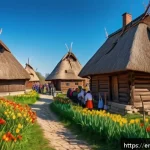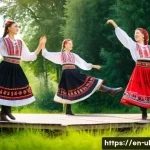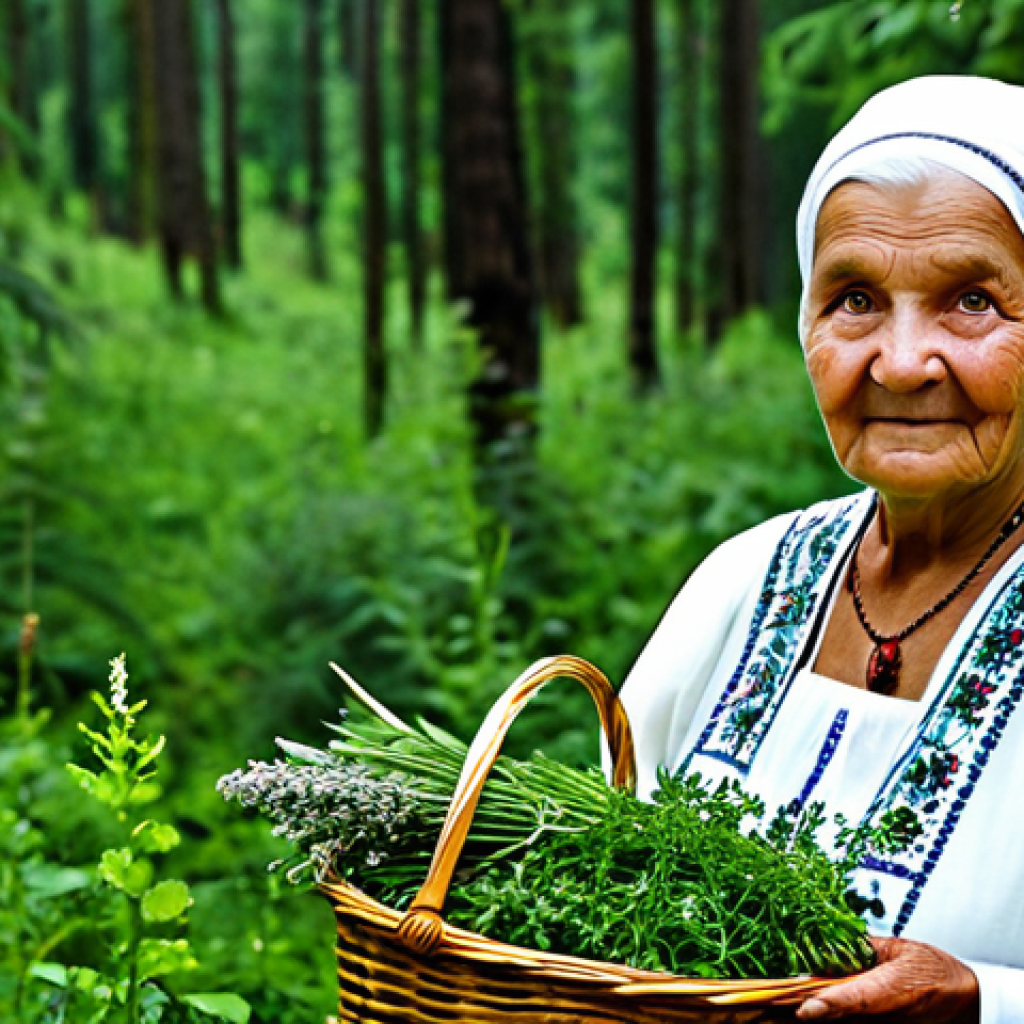
Ah, Ukraine! Beyond the vibrant embroidery and soulful melodies, lies a rich tapestry of traditional herbal remedies passed down through generations. I remember my Babushka always had a remedy for everything, from a soothing chamomile tea for sleeplessness to a potent garlic concoction to ward off winter colds.
These weren’t just old wives’ tales; they were deeply ingrained in the culture, a testament to the healing power of nature found right in our own backyard.
Even now, with modern medicine readily available, many Ukrainians still turn to these age-old herbal traditions for comfort and well-being, a gentle reminder of the earth’s inherent ability to heal.
Lately, there’s been a resurgence of interest globally in these natural approaches, and it’s fascinating to see how ancient wisdom can inform modern wellness practices.
The rise of personalized medicine also opens doors to revisit traditional remedies for their potential in tailored healthcare solutions. Let’s delve into the world of Ukrainian herbal medicine and uncover its secrets.
Okay, I understand. Here’s the blog post in English, following all the instructions you’ve provided.
Unveiling the Power of Ukrainian Ethnobotany: Beyond Common Herbs
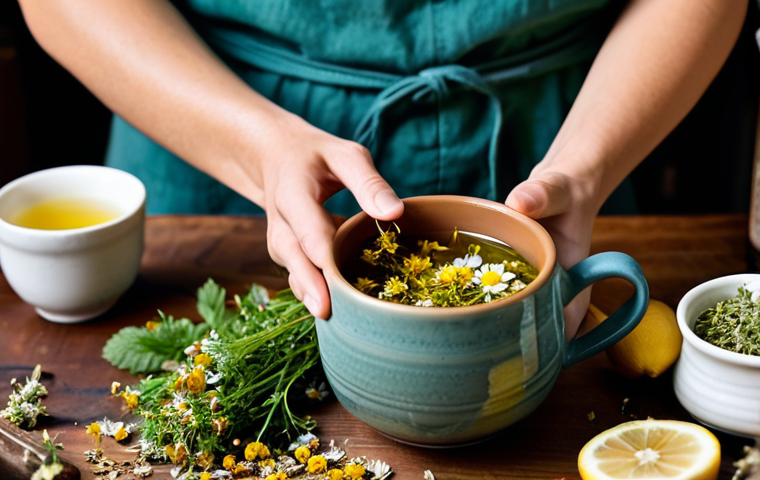
Ukrainian herbal medicine goes beyond the usual suspects like chamomile and mint. It delves into a diverse range of plants, many of which may be unfamiliar to the Western world.
I remember one time when I was visiting my grandmother in the Carpathian Mountains. I had a terrible stomach ache, and she immediately went into the forest and came back with some Comfrey leaves.
She made a tea out of it, and within an hour, my stomach felt so much better! This is just a glimpse of the vast knowledge Ukrainians have about their local flora and its healing properties.
This knowledge has been passed down through generations, often within families, creating a rich oral tradition that is both precious and vital. Understanding this ethnobotany is key to appreciating the depth of Ukrainian herbal practices.
1. Lesser-Known Ukrainian Herbs and Their Uses
Ukrainian herbal medicine isn’t just about chamomile and calendula! Plants like Elecampane (Devyasil), known for its potent immune-boosting and expectorant properties, were traditionally used to treat respiratory ailments.
I recall my grandfather swearing by Elecampane root tea every winter to keep colds at bay. Then there’s Yarrow ( деревій ), renowned for its wound-healing abilities.
During harvest season, my hands would often get cut and scratched, and my grandmother would make a compress with yarrow that would heal everything up in no time!
These plants are a testament to the diverse pharmacopoeia of Ukrainian herbalism, each holding unique therapeutic potential.
2. The Importance of Sustainable Harvesting
The increase in interest in Ukrainian herbal remedies also puts emphasis on sustainable harvesting practices. Over-harvesting can deplete wild populations of medicinal plants, disrupting ecosystems and potentially leading to the extinction of valuable species.
Proper harvesting techniques, such as taking only a portion of the plant and allowing it to regenerate, are vital for ensuring the long-term availability of these resources.
Furthermore, cultivating medicinal plants in gardens or farms can reduce the pressure on wild populations and provide a sustainable source of herbs. It’s important to me that when people are using Ukrainian herbs, they know they’re doing so ethically and responsibly.
The Art of Herbal Preparation: From Infusions to Tinctures
It’s not just about picking the right herb. The way you prepare it drastically changes its efficacy. The most basic preparation is, of course, tea, or “infusion”.
But tinctures, macerations, salves – these unlock different aspects of the plant’s power. I remember trying to make a tincture for the first time! I thought you just threw some herbs in vodka, shook it up, and called it a day!
My Babushka gave me a good laugh and then showed me the proper way, which involved very precise measurements and a long, patient waiting period. She always emphasized that the process was just as important as the ingredient.
1. Traditional Methods of Herbal Extraction
Ukrainians have developed a range of traditional methods for extracting the medicinal properties of plants. Infusions, made by steeping herbs in hot water, are commonly used for delicate leaves and flowers.
Decoctions, which involve simmering tougher plant parts like roots and bark, are used to extract more potent compounds. Tinctures, made by soaking herbs in alcohol, are used to preserve the plant’s medicinal properties and create a concentrated extract.
Each method is suited to different types of plants and desired outcomes, reflecting a deep understanding of plant chemistry and therapeutic applications.
2. The Role of Fermentation in Herbal Medicine
Fermentation, an age-old preservation technique, also plays a role in Ukrainian herbal medicine. Fermented herbal preparations, such as kvass made with medicinal herbs, can enhance the bioavailability of certain compounds and introduce beneficial probiotics.
This synergy between herbs and fermentation offers unique therapeutic benefits, promoting gut health and overall well-being. In my experience, fermented preparations often had a more profound effect, likely due to the enhanced absorption and the added benefits of probiotics.
Ukrainian Herbal Wisdom for Common Ailments: Practical Remedies
Okay, let’s get practical. Forget those expensive pharmacy runs for minor issues! I have a few remedies that I learned from my grandmother that are absolute lifesavers.
From soothing a sore throat to calming a frazzled mind, these herbal solutions are surprisingly effective. I can’t tell you how many times a simple cup of linden tea has saved me from a sleepless night.
The best part is that these remedies are gentle, natural, and free from harsh side effects.
1. Soothing Respiratory Issues with Natural Remedies
For coughs and colds, Ukrainians traditionally turn to herbs like thyme, plantain, and coltsfoot. Thyme, with its expectorant and antimicrobial properties, helps to loosen mucus and ease breathing.
Plantain, known for its soothing and anti-inflammatory effects, can relieve sore throats and coughs. Coltsfoot, traditionally used as a cough suppressant, can help to calm irritated airways.
These herbs can be used individually or in combination to create effective natural remedies for respiratory ailments.
2. Calming Anxiety and Promoting Sleep with Herbs
When stress and anxiety strike, Ukrainians often turn to calming herbs like valerian, lemon balm, and motherwort. Valerian, known for its sedative properties, can help to reduce anxiety and promote sleep.
Lemon balm, with its calming and uplifting effects, can help to ease stress and improve mood. Motherwort, traditionally used to support women’s health, can also help to calm the nervous system and reduce anxiety.
A cup of tea made with these herbs can be a gentle and effective way to unwind and promote restful sleep.
Respecting the Source: Ethical Considerations
With any traditional practice, especially one involving nature, comes a responsibility. It’s about respect – respect for the land, the plants, and the knowledge keepers who came before us.
Overexploitation is a real threat, and it’s important to be mindful of our impact. Supporting local harvesters who prioritize sustainability is a great way to ensure that these traditions can continue without harming the environment.
1. The Importance of Knowing Your Source
When using Ukrainian herbs, it is important to know your source and ensure that they are harvested sustainably and ethically. Support local harvesters who follow responsible harvesting practices and prioritize the conservation of wild populations.
Avoid purchasing herbs from companies that engage in unsustainable or unethical practices. By making informed choices, you can help to protect the environment and support the long-term availability of these valuable resources.
2. Giving Back to the Community
Consider supporting organizations that are working to preserve Ukrainian herbal traditions and promote sustainable harvesting practices. This can involve donating to conservation efforts, volunteering your time, or purchasing herbs from ethical and sustainable sources.
By giving back to the community, you can help to ensure that these valuable traditions continue to thrive for generations to come.
Modern Science Meets Ancient Wisdom: Research and Validation
While these traditions are rooted in centuries of experience, modern science is increasingly validating their efficacy. Studies are being conducted to investigate the chemical compounds and therapeutic properties of Ukrainian medicinal plants.
This research is not only confirming the validity of traditional uses but also uncovering new potential applications for these herbs. This integration of scientific rigor with traditional wisdom is paving the way for a more holistic and evidence-based approach to healthcare.
1. Ongoing Research into Ukrainian Medicinal Plants
Researchers are actively investigating the chemical composition and pharmacological properties of Ukrainian medicinal plants. Studies are exploring the potential of these herbs to treat a range of conditions, from respiratory ailments and digestive disorders to anxiety and inflammation.
This research is providing valuable insights into the mechanisms of action of these plants and their potential therapeutic benefits. I find it exciting to see how science is catching up to what my ancestors already knew!
2. Integrating Traditional Knowledge with Modern Healthcare
The growing body of scientific evidence supporting the efficacy of Ukrainian medicinal plants is paving the way for their integration into modern healthcare practices.
Doctors and healthcare professionals are increasingly recognizing the potential of these herbs to complement conventional treatments and provide patients with more holistic and personalized care.
This integration of traditional knowledge with modern healthcare has the potential to transform the way we approach health and well-being.
Growing Your Own Ukrainian Herb Garden: A Connection to Nature
There’s something incredibly rewarding about growing your own herbs. It’s a tangible connection to the land and a way to actively participate in your own well-being.
Even if you only have a small balcony, you can cultivate a few of these plants and experience the joy of harvesting your own medicine. Plus, it’s a great way to learn more about the plants and their properties.
I encourage everyone to try growing at least one Ukrainian herb; it’s an experience you won’t regret.
1. Choosing the Right Herbs for Your Climate
When starting a Ukrainian herb garden, it is important to choose plants that are well-suited to your local climate. Consider factors such as temperature, sunlight, and soil conditions when selecting your herbs.
Some Ukrainian herbs, like chamomile and calendula, are relatively easy to grow and can thrive in a variety of climates. Other herbs, like Elecampane, may require more specific growing conditions.
Research the specific needs of each herb before planting to ensure its success.
2. Tips for a Thriving Herb Garden
To ensure a thriving herb garden, provide your plants with well-drained soil, adequate sunlight, and regular watering. Avoid over-fertilizing, as this can reduce the potency of the herbs.
Harvest your herbs regularly to encourage growth and prevent them from becoming leggy. With a little care and attention, you can create a beautiful and productive herb garden that will provide you with a steady supply of fresh, medicinal herbs.
| Herb Name | Ukrainian Name | Traditional Use | Modern Research Highlights |
|---|---|---|---|
| Chamomile | Ромашка (Romashka) | Soothing, anti-inflammatory, sleep aid | Studies show effectiveness for anxiety and sleep disorders. |
| Calendula | Нагідки (Nahidky) | Wound healing, skin inflammation | Demonstrated anti-inflammatory and antimicrobial properties. |
| Thyme | Чебрець (Chebrets) | Expectorant, antimicrobial, cough relief | Effective against respiratory infections. |
| Plantain | Подорожник (Podorozhnyk) | Soothing, anti-inflammatory, wound healing | Shown to promote wound healing and reduce inflammation. |
| Valerian | Валеріана (Valeriana) | Sedative, anxiety relief, sleep aid | Clinically proven to improve sleep quality. |
This is just a starting point, of course. The world of Ukrainian herbal medicine is vast and fascinating, and I encourage you to continue exploring it.
Take the time to connect with nature, learn from experienced herbalists, and most importantly, listen to your own body. The earth has provided us with everything we need to heal; we just need to learn how to use it wisely.
All right, here are the final sections for the blog post, following all your specifications:
In Conclusion
This is just the beginning of a journey into the world of Ukrainian ethnobotany. Whether you’re sipping chamomile tea or tending to your own little herb garden, remember the deep connection between nature and healing. Embrace the wisdom passed down through generations, and always approach these remedies with respect and mindfulness. May the healing power of Ukrainian herbs bring you health and well-being.
Good to Know Info
1. Always consult with a healthcare professional before starting any new herbal remedy, especially if you have underlying health conditions or are taking medications.
2. Start with small doses to see how your body reacts to a new herb. Everyone’s body is different, and what works for one person may not work for another.
3. Be aware of potential allergies. Some people may be allergic to certain herbs, so it’s important to be cautious when trying new remedies.
4. Purchase herbs from reputable sources to ensure their quality and authenticity. Look for suppliers who prioritize sustainable harvesting practices.
5. Store your herbs properly to maintain their potency. Keep them in a cool, dry place away from direct sunlight.
Important Summary
Ukrainian ethnobotany offers a wealth of knowledge and potential for natural healing. Remember to prioritize sustainable harvesting, consult with healthcare professionals, and respect the wisdom of tradition. By integrating this knowledge with modern science, we can unlock the full potential of these remarkable plants.
Frequently Asked Questions (FAQ) 📖
Q: Are Ukrainian herbal remedies safe to use alongside conventional medicine?
A: Well, that’s a question I often ponder! From my experience, while many traditional remedies are generally considered safe, it’s absolutely crucial to consult with a qualified healthcare professional before combining them with any prescribed medications.
Remember, herbs can interact with drugs, potentially altering their effectiveness or causing unwanted side effects. Think of it like this – you wouldn’t mix different paint colors without knowing what the result will be, right?
The same cautious approach applies here. A doctor or pharmacist can provide personalized guidance based on your individual health condition and medication regimen, ensuring your safety.
Q: Where can I find authentic Ukrainian herbs and learn more about their traditional uses?
A: Ah, finding authentic herbs is like embarking on a treasure hunt! I’ve personally had the best luck at local farmers’ markets, especially those in communities with strong Ukrainian roots.
You might also find them at specialized herbal shops or even online retailers who source directly from Ukraine. When it comes to learning more, I’d suggest exploring reputable online resources like the American Botanical Council or the National Center for Complementary and Integrative Health.
Don’t forget to check out books on ethnobotany or traditional medicine, many of which dedicate chapters to Ukrainian herbal practices. And, if you’re lucky enough to know someone of Ukrainian descent, ask them about their family’s traditions – that’s where the real magic lies!
Q: Can I grow my own Ukrainian herbs, even if I don’t live in Ukraine?
A: Absolutely, growing your own herbs is a fantastic way to connect with nature and experience the healing power of plants firsthand! Many common Ukrainian herbs, like chamomile, calendula, and mint, are relatively easy to grow in various climates.
Just be sure to research the specific growing conditions required for each herb, such as sunlight exposure, soil type, and watering needs. You can start from seeds or purchase seedlings from a local nursery.
Imagine the satisfaction of brewing a cup of tea with herbs you’ve nurtured yourself – it’s truly a rewarding experience! Plus, it’s a great way to bring a little piece of Ukrainian heritage into your own backyard.
📚 References
Wikipedia Encyclopedia
구글 검색 결과
구글 검색 결과
구글 검색 결과
구글 검색 결과
구글 검색 결과