The Crimea conflict stands as one of the most significant geopolitical flashpoints in recent history, reshaping international relations and security dynamics in Eastern Europe.
What began as a territorial dispute quickly escalated into a complex struggle involving political, cultural, and military tensions. The annexation of Crimea by Russia in 2014 sparked global debates about sovereignty and international law.
Beyond the headlines, the conflict has deeply affected the lives of millions, altering the region’s economic and social landscape. Understanding the roots and ongoing developments of this crisis is essential to grasping the broader implications for global peace.
Let’s dive in and explore the details to get a clear picture of what’s really going on.
Geopolitical Shifts and Strategic Interests
Russia’s Motivations Behind the Annexation
Russia’s annexation of Crimea wasn’t a spur-of-the-moment decision; it was driven by a mix of strategic, historical, and political factors. Crimea holds immense military value due to its location on the Black Sea, giving Russia control over a crucial naval base at Sevastopol.
This strategic foothold allows Russia to project power into the Mediterranean and beyond. Historically, Crimea was part of Russia until 1954, when it was transferred to Ukraine by the Soviet government, a move that many Russians still view as a mistake.
Politically, after Ukraine’s 2014 shift toward the West, Russia perceived a direct threat to its influence and security. I remember following news reports and expert analyses that highlighted how Putin’s administration framed the annexation as protecting ethnic Russians and Russian speakers, which resonated domestically and justified the move internationally in their eyes.
Western Response and International Law
The annexation challenged the core principles of international law, particularly the respect for sovereignty and territorial integrity. The West, led by the U.S.
and the EU, condemned Russia’s actions as illegal and imposed economic sanctions aimed at pressuring Moscow. These sanctions targeted key sectors like energy, finance, and defense, significantly affecting Russia’s economy.
Yet, the effectiveness of these sanctions remains debated. I’ve noticed in multiple discussions that while sanctions hurt Russia’s economy, they have not reversed the annexation or deterred further aggressive moves in Eastern Ukraine.
The ongoing diplomatic stalemate underlines the limits of Western influence in this crisis, reflecting a complex balance between punishment and avoiding escalation into wider conflict.
Crimea’s Role in Russia-Ukraine Relations
Crimea’s annexation has transformed Russia-Ukraine relations from uneasy neighbors to outright adversaries. It shattered any lingering hopes for cooperation, turning the region into a frontline of geopolitical rivalry.
Ukraine views Crimea as illegally occupied territory and continues to assert its sovereignty in international forums. For many Ukrainians, the loss of Crimea is deeply personal and symbolic, representing a violation of national identity.
From what I’ve gathered through conversations and regional reporting, this has intensified nationalist sentiments in Ukraine, fueling the determination to resist further Russian advances and seek closer ties with NATO and the EU.
Meanwhile, Russia treats Crimea as an integral part of its territory, investing heavily in infrastructure and military presence to consolidate control.
Social and Economic Consequences for Local Populations
Impact on Crimean Residents
The people living in Crimea have experienced profound changes since 2014. For ethnic Russians, the annexation brought a sense of reunification and improved access to Russian social services and pensions.
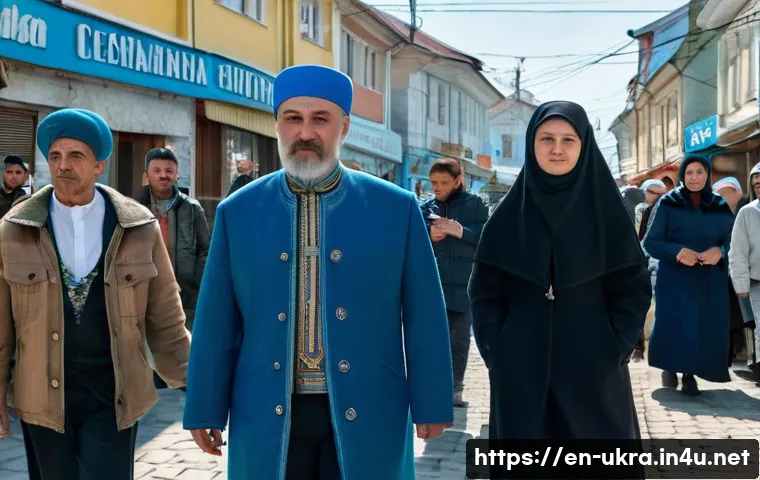
However, for Crimean Tatars and ethnic Ukrainians, the situation has been far more precarious. Reports indicate increased repression, restrictions on language and cultural expression, and human rights abuses.
I’ve read personal testimonies describing how the Crimean Tatars have faced discrimination, with many fleeing the peninsula to escape persecution. Economically, sanctions and the shift in governance disrupted trade and tourism, affecting livelihoods.
Local businesses have had to navigate new regulatory environments and currency changes, complicating daily life.
Economic Shifts and Infrastructure Developments
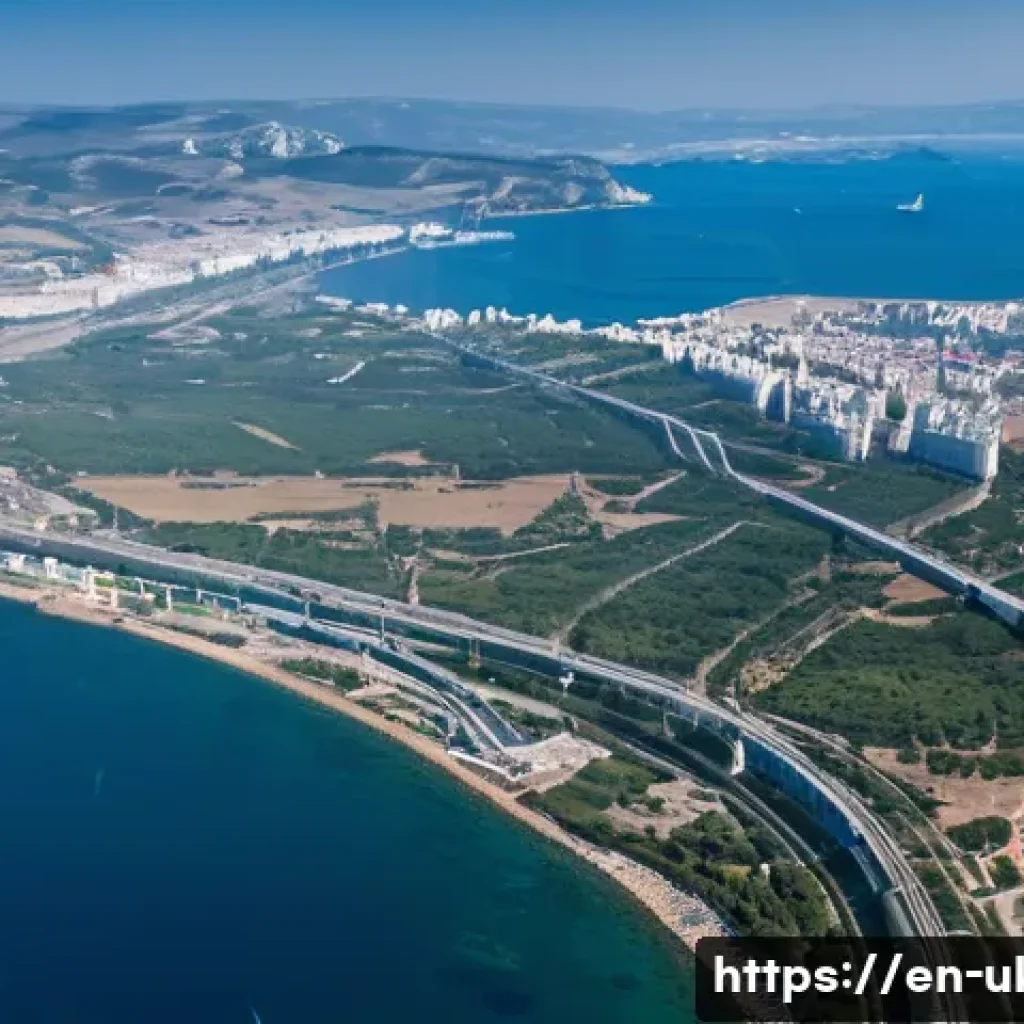
Russia has poured resources into developing Crimea’s infrastructure to integrate the peninsula into its economy. This includes building the Crimean Bridge, a massive engineering project connecting Crimea to mainland Russia, which I recall was widely covered as a symbol of Moscow’s commitment to the region.
However, despite these investments, economic growth remains constrained by sanctions and limited international recognition. Tourism, once a major sector, has declined due to travel restrictions and geopolitical instability.
Additionally, energy supply has been a persistent challenge, with Crimea relying on Russian mainland sources following the disruption of Ukrainian energy connections.
These economic pressures highlight the ongoing struggle to normalize life on the peninsula under new political realities.
Demographic Changes and Migration Patterns
Since 2014, Crimea has seen significant demographic shifts. The influx of Russian citizens and officials has altered the social fabric, while some Ukrainians and Crimean Tatars have left due to political and security concerns.
I’ve encountered analyses suggesting that these demographic changes serve Russia’s goal of consolidating control by increasing the proportion of pro-Russian residents.
This migration dynamic complicates efforts to resolve the conflict, as changing populations affect claims of sovereignty and complicate humanitarian situations.
The long-term consequences for community cohesion and cultural diversity remain uncertain but are likely to shape the region’s future for decades.
Military Dynamics and Security Challenges
Russian Military Buildup and Strategic Positioning
Following the annexation, Russia dramatically increased its military presence in Crimea, transforming it into a heavily fortified strategic outpost. The peninsula now hosts advanced missile systems, air defense units, and naval forces.
From what I’ve gathered, this buildup serves as both a defensive measure and a signal to NATO and Ukraine that Russia is prepared to defend its claims aggressively.
The enhanced military infrastructure complicates any potential Ukrainian attempts to regain control and deters Western military intervention, creating a tense security environment.
I remember experts emphasizing how Crimea’s militarization has shifted the regional balance of power and introduced new risks of escalation.
Ongoing Conflict in Eastern Ukraine
Though Crimea itself has been relatively stable under Russian control, the conflict has spilled over into Eastern Ukraine, where pro-Russian separatists continue fighting Ukrainian forces.
This “frozen conflict” has resulted in thousands of casualties and displacement, with ceasefires regularly breaking down. I’ve followed reports describing how this ongoing fighting drains resources and attention while complicating diplomatic efforts.
The military stalemate also highlights the broader geopolitical struggle, with Russia supporting separatists covertly, and Ukraine backed by Western military aid.
This unresolved conflict remains a major obstacle to peace and stability in the region.
Security Concerns for Neighboring Countries
Crimea’s annexation has sent shockwaves through Eastern Europe, prompting neighboring countries to reassess their security strategies. Nations like Poland, the Baltic states, and Romania have increased defense spending and sought stronger NATO commitments.
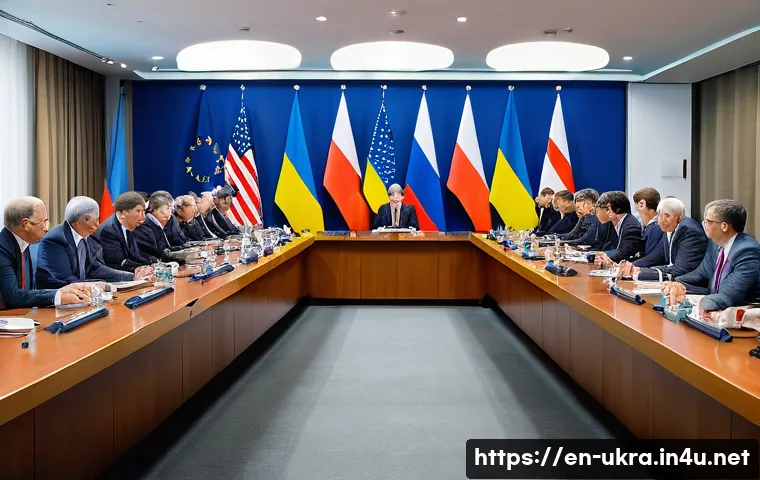
I’ve observed that this regional anxiety stems from fears of further Russian aggression and the need to deter any potential spillover. NATO’s enhanced presence in the region is a direct response to these concerns, aiming to reassure allies and maintain a credible deterrent.
The situation has redefined Eastern European security architecture, with lasting implications for alliances and military planning.
International Diplomacy and Conflict Resolution Efforts
Diplomatic Initiatives and Negotiation Attempts
Multiple diplomatic efforts have aimed to resolve the Crimea crisis, including the Minsk agreements focused on Eastern Ukraine, though Crimea itself remains a sticking point.
I recall following the back-and-forth negotiations where progress was slow and often undermined by renewed violence or political posturing. These talks involve a complex web of actors, from Ukraine and Russia to the OSCE, EU, and U.S., each with differing priorities.
Despite these efforts, a comprehensive solution remains elusive, highlighting the difficulties in reconciling competing national interests and legal claims.
Role of International Organizations
International bodies like the United Nations have condemned the annexation and called for respect of Ukraine’s territorial integrity. However, the UN’s ability to enforce resolutions is limited, especially given Russia’s veto power in the Security Council.
Other organizations, such as the Council of Europe and OSCE, have focused on monitoring human rights and ceasefire agreements. I’ve noticed that while these organizations play important roles in documentation and diplomacy, their impact is constrained by the geopolitical realities on the ground.
This underlines the challenge of upholding international law when major powers are involved.
Prospects for Future Peace and Stability
Looking ahead, the path to peace in the region appears fraught with uncertainty. The entrenched positions of Russia and Ukraine, combined with broader geopolitical tensions, make compromise difficult.
From my perspective, any lasting resolution will require addressing not only territorial disputes but also political, social, and security concerns of all parties involved.
Confidence-building measures, economic cooperation, and inclusive dialogue could help reduce tensions, but these require goodwill that is currently in short supply.
The international community’s role in facilitating and supporting these processes remains vital, even as the situation evolves unpredictably.
Crimea Conflict Overview: Key Facts and Figures
| Aspect | Details |
|---|---|
| Year of Annexation | 2014 |
| Key Players | Russia, Ukraine, Crimean Tatars, International Community |
| Strategic Importance | Black Sea Naval Base, Geopolitical Buffer Zone |
| Population Impacted | Approximately 2.4 million residents |
| Economic Sectors Affected | Tourism, Trade, Energy, Infrastructure Development |
| Military Presence | Russian Armed Forces significantly increased post-2014 |
| International Response | Sanctions by US, EU; Diplomatic Condemnation; UN Resolutions |
| Ongoing Conflict Zones | Eastern Ukraine (Donbas region) |
Media Narratives and Public Perception
Russian Media Portrayal
In Russia, state-controlled media portrays the annexation as a rightful reunification and a protective measure for ethnic Russians. The narrative emphasizes historical ties, alleged threats from Ukrainian nationalism, and the legitimacy of the Crimean referendum.
I found that this messaging strongly influences public opinion within Russia, fostering national pride and support for the government’s stance. It’s interesting how media framing can shape perceptions so powerfully, creating a stark contrast with Western narratives.
Western Media Coverage
Western outlets largely depict the annexation as a breach of international law and a dangerous act of aggression. Coverage focuses on geopolitical implications, human rights abuses, and the impact on Ukraine’s sovereignty.
Personally, I’ve noticed the tone is often critical and warns of broader risks to European security. This perspective supports the rationale behind sanctions and diplomatic isolation of Russia but also sometimes risks oversimplifying the complex local realities.
Perspectives from Crimea and Ukraine
Voices from Crimea and Ukraine vary widely, reflecting deep divisions. Many Crimean Russians express pride and acceptance of Russian rule, while Crimean Tatars and ethnic Ukrainians report fear and marginalization.
Ukrainians broadly view the annexation as an illegal occupation and rally around national unity and resistance. I’ve encountered firsthand accounts and interviews that reveal a mix of hope, frustration, and resilience among these populations, underscoring the human dimension often lost in geopolitical debates.
This diversity of perspectives is crucial to understanding the ongoing conflict’s complexity.
Conclusion
The annexation of Crimea remains one of the most significant geopolitical events of the past decade, reshaping regional dynamics and international relations. Its impact extends beyond borders, affecting local communities, security strategies, and diplomatic efforts worldwide. Understanding the multifaceted nature of this conflict is crucial for grasping ongoing tensions and the prospects for future peace. As the situation continues to evolve, staying informed and engaged is more important than ever.
Useful Information to Know
1. Crimea’s strategic location on the Black Sea gives Russia significant military and geopolitical advantages.
2. The annexation triggered widespread international sanctions targeting Russia’s economy and defense sectors.
3. Local populations in Crimea have experienced dramatic social and economic shifts, with varying impacts on different ethnic groups.
4. The military buildup in Crimea has intensified security concerns across Eastern Europe, leading to increased NATO presence.
5. Diplomatic efforts have so far failed to resolve the conflict, highlighting the complexity of reconciling competing national interests.
Key Takeaways
The annexation of Crimea is a deeply complex issue involving historical claims, strategic interests, and human consequences. Russia’s actions have challenged international law and altered regional security landscapes, while sanctions and diplomatic measures have yet to bring a lasting resolution. The conflict continues to affect millions, shaping political narratives and security policies across Europe. Recognizing the diverse perspectives and ongoing challenges is essential for anyone seeking a comprehensive understanding of this critical geopolitical crisis.
Frequently Asked Questions (FAQ) 📖
Q: Why did Russia annex Crimea in 2014?
A: Russia’s annexation of Crimea was driven by a mix of strategic, historical, and political factors. Crimea holds significant military importance due to its location on the Black Sea and hosts Russia’s Black Sea Fleet.
Additionally, many ethnic Russians live in Crimea, and Moscow cited protecting their rights as part of its justification. The move came after Ukraine’s government shifted towards closer ties with the West, which Russia saw as a threat to its influence in the region.
Although controversial and widely condemned internationally, Russia framed the annexation as a reunification with historic Russian territory.
Q: How has the Crimea conflict impacted the people living in the region?
A: The lives of millions in Crimea have been profoundly affected since 2014. Many residents faced uncertainty regarding citizenship, property rights, and access to services as governance shifted from Ukraine to Russia.
Economic sanctions and geopolitical tensions have strained the local economy, leading to disruptions in trade, tourism, and investment. There have also been reports of human rights concerns, especially among ethnic Ukrainians and Crimean Tatars who opposed the annexation.
The social fabric of the region has been altered, creating divisions and a sense of instability for many families.
Q: What are the broader international implications of the Crimea conflict?
A: The Crimea crisis has reshaped global geopolitics by challenging established norms about sovereignty and territorial integrity. It triggered widespread condemnation and led to sanctions against Russia by Western countries, deepening East-West tensions reminiscent of Cold War dynamics.
The conflict also heightened security concerns in Eastern Europe, prompting NATO to reinforce its presence in neighboring countries. More broadly, it has raised questions about the effectiveness of international law and institutions in preventing territorial disputes, influencing how future conflicts might unfold worldwide.