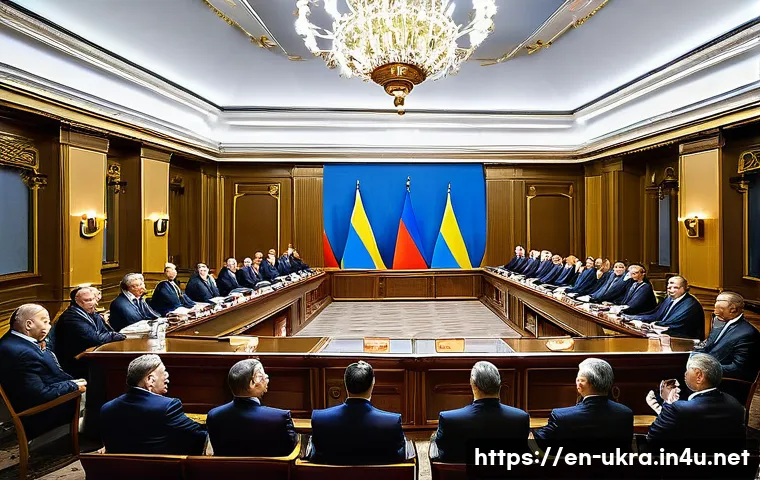
Viktor Yanukovych’s presidency marked a turbulent chapter in Ukraine’s recent history, blending political ambition with deep societal divisions. His tenure was characterized by shifting alliances and controversies that shaped the nation’s trajectory amid growing tensions between East and West.
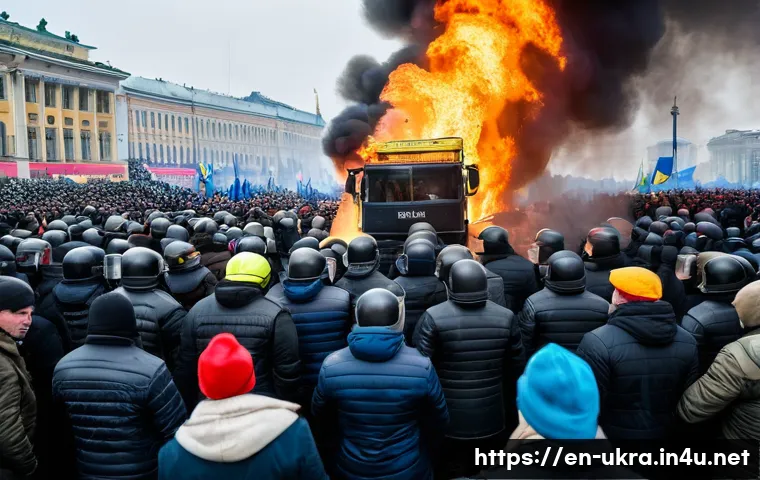
Understanding his leadership provides essential context to the ongoing geopolitical dynamics in the region. From economic challenges to public protests, Yanukovych’s rule left a lasting imprint on Ukraine’s political landscape.
Let’s dive deeper to uncover the full story behind his administration and its impact on Ukraine’s future. Stay with me as we explore the details together!
Complex Political Maneuvering and Shifting Alliances
Balancing East and West: A Delicate Tightrope
During his presidency, Yanukovych had to navigate a very tricky geopolitical landscape. Ukraine, sitting at the crossroads between Europe and Russia, was constantly pulled in both directions.
Yanukovych initially leaned toward closer ties with the European Union, which many Ukrainians saw as a path toward modernization and reform. However, under significant pressure from Moscow, he frequently shifted his stance, causing confusion and frustration among his supporters.
This balancing act wasn’t just about foreign policy; it deeply influenced internal politics, as factions within Ukraine were divided on which direction the country should take.
The back-and-forth nature of his policies ultimately eroded trust on both sides, creating a fertile ground for unrest.
Political Allies and Rivalries
Yanukovych’s presidency was marked by a series of shifting alliances, both domestically and internationally. On one hand, he maintained a close relationship with Russia’s leadership, receiving economic support and political backing.
On the other, he faced fierce opposition from pro-Western politicians and activists who accused him of corruption and authoritarian tendencies. These rivalries intensified over time, especially as Yanukovych consolidated power by sidelining opponents and controlling media outlets.
The atmosphere became increasingly polarized, with his inner circle growing tighter while dissenting voices were pushed to the margins. Watching these dynamics unfold, it became clear that Yanukovych’s political survival depended on maintaining a delicate balance of power that was constantly under threat.
Key Moments of Political Shifts
Several pivotal events defined the shifting alliances during Yanukovych’s rule. One notable moment was his last-minute decision in late 2013 to abandon the EU Association Agreement in favor of closer ties with Russia.
This move sparked immediate outrage and triggered mass protests, known as the Euromaidan movement. Another key moment was his handling of parliamentary elections and judicial appointments, which many critics saw as manipulative attempts to secure his grip on power.
These decisions alienated many moderate politicians and hardened opposition forces. The cumulative effect was a political landscape fraught with tension and instability, with Yanukovych increasingly isolated despite his initial broad coalition.
Economic Struggles and Their Social Impact
Economic Challenges Under Yanukovych’s Administration
Economic difficulties were a constant shadow during Yanukovych’s time in office. Ukraine’s economy was already fragile, burdened by corruption, inefficient industries, and reliance on Russian energy imports.
Yanukovych’s government struggled to implement meaningful reforms that could boost growth or reduce dependence. Inflation and unemployment remained persistent problems, squeezing the middle class and exacerbating social inequalities.
Many citizens felt the pinch of stagnation firsthand, with everyday expenses rising faster than wages. These economic strains contributed heavily to the public’s growing dissatisfaction, fueling protests and political unrest.
Corruption and Its Ripple Effects
One of the most glaring issues during Yanukovych’s presidency was the widespread corruption that permeated government institutions. Reports of embezzlement, bribery, and nepotism were common, and Yanukovych’s own family was implicated in numerous scandals.
This corruption drained public resources and undermined confidence in the state’s ability to govern effectively. For ordinary Ukrainians, corruption meant fewer opportunities and a sense that the system was rigged in favor of elites.
Over time, this erosion of trust became one of the key catalysts for the massive protests that would eventually demand Yanukovych’s removal.
Economic Indicators at a Glance
| Indicator | Pre-Yanukovych (2010) | Peak During Yanukovych (2012) | End of Presidency (2014) |
|---|---|---|---|
| GDP Growth Rate | 4.1% | 3.4% | -6.8% |
| Inflation Rate | 9.4% | 1.2% | 24.9% |
| Unemployment Rate | 8.0% | 7.7% | 9.4% |
| Foreign Direct Investment (billion USD) | 5.3 | 4.9 | 2.1 |
| Corruption Perception Index Rank | 134/178 | 144/176 | 142/175 |
Public Protests and the Rise of Civil Resistance
Euromaidan: The Spark that Ignited a Nation
The Euromaidan protests were arguably the defining moment of Yanukovych’s presidency. When he abruptly decided to reject the EU Association Agreement in favor of closer Russian ties, it felt like a betrayal to many Ukrainians who hoped for a European future.
What started as peaceful demonstrations quickly escalated into a nationwide movement calling for government transparency, justice, and democratic reforms.
I remember reading firsthand accounts from people who described the Maidan square as a melting pot of hope and frustration, with families, students, and activists united against corruption and oppression.
The sheer scale and passion of the protests caught many by surprise, revealing deep societal fractures that had been simmering for years.
Government Crackdown and Escalation
Yanukovych’s response to the protests was initially restrained but soon turned increasingly harsh. Security forces were deployed to disperse crowds, leading to violent clashes and casualties.
This crackdown only strengthened the resolve of protesters and attracted international condemnation. As the situation spiraled, the government’s legitimacy came under serious question both at home and abroad.
Many Ukrainians who had been on the fence were pushed into opposition by the heavy-handed tactics, turning what might have been a political disagreement into a full-blown crisis.
Personally, the images of tear gas and barricades from that period are hard to forget—they symbolize a nation at a crossroads, struggling to define its identity.
The Role of Social Media and Grassroots Mobilization
One aspect that stands out about the Euromaidan protests was the role of social media and grassroots organization. Citizens used platforms like Facebook and Twitter to coordinate actions, share information, and raise awareness globally.
This digital activism allowed the movement to gain momentum rapidly, bypassing traditional media channels that were often controlled or influenced by Yanukovych’s government.
I found it fascinating how ordinary people, armed with smartphones and a sense of urgency, managed to create a powerful wave of resistance that no state apparatus could easily suppress.

This blend of online and offline activism marked a new chapter in how political movements operate in the digital age.
Legal and Constitutional Controversies
Manipulation of the Judiciary System
Yanukovych’s administration faced numerous accusations of undermining judicial independence. Judges who ruled against the government or its allies often faced intimidation or removal, while loyalists were promoted.
This selective justice system weakened the rule of law and allowed corruption and abuses of power to flourish unchecked. I recall reading reports from legal experts warning that this trend was eroding Ukraine’s democratic institutions, making fair trials and legal accountability increasingly elusive.
For many citizens, the courts no longer appeared as impartial arbiters but as tools of political repression.
Constitutional Amendments and Power Consolidation
Another controversial aspect was Yanukovych’s push to amend the constitution to expand presidential powers. These changes gave him greater control over the executive branch and reduced checks and balances from parliament and the judiciary.
Supporters argued these moves were necessary for political stability, but critics saw them as a clear slide toward authoritarianism. The amendments heightened tensions with opposition groups and fueled fears that Ukraine’s democratic progress was being rolled back.
From a personal perspective, it seemed like a classic case of power consolidation that often precedes political crises.
Legal Challenges and International Criticism
The legal maneuvers during Yanukovych’s presidency didn’t go unnoticed internationally. Various human rights organizations and foreign governments expressed concern over the erosion of democratic norms and rule of law in Ukraine.
Sanctions and diplomatic pressure were discussed as potential responses to the deteriorating situation. Internally, opposition leaders used legal challenges to contest election results and government actions, although these efforts were frequently blocked or ignored.
This legal tug-of-war contributed to the overall instability and highlighted the fragility of Ukraine’s democratic institutions during this period.
Impact on Ukraine’s Long-term Geopolitical Position
Shifting Alliances and Regional Tensions
Yanukovych’s presidency left a complicated legacy in terms of Ukraine’s geopolitical orientation. His vacillation between Russia and the West deepened existing divides within the country and strained relationships with neighboring states.
The ultimate fallout, including the annexation of Crimea and conflict in Eastern Ukraine, can be traced back to the instability and mixed signals sent during his time in office.
It’s clear that his leadership failed to provide a stable foundation for Ukraine’s aspirations toward sovereignty and European integration. Watching the events that followed, one can’t help but see how those years shaped the geopolitical chessboard in Eastern Europe.
Legacy in Contemporary Ukrainian Politics
Even years after his ousting, Yanukovych’s influence is still felt in Ukrainian political discourse. His presidency serves as a cautionary tale about the dangers of corruption, authoritarian tendencies, and indecisive leadership in a country facing external pressures.
Political factions today often reference his tenure as a negative benchmark, while also grappling with the underlying divisions that were exposed during his rule.
From my perspective, understanding this legacy is crucial for anyone looking to grasp the current political climate in Ukraine and the ongoing challenges it faces in balancing internal unity with external alliances.
Lessons Learned and Future Prospects
The aftermath of Yanukovych’s presidency has forced Ukraine to confront difficult questions about governance, sovereignty, and national identity. While the road has been rocky, it has also sparked reforms aimed at strengthening democratic institutions and reducing corruption.
The international community’s support for Ukraine’s sovereignty has grown, though challenges remain significant. Personally, I believe the lessons from this turbulent chapter underscore the importance of transparent leadership and citizen engagement in shaping a resilient democracy.
Ukraine’s journey is far from over, but the experiences from Yanukovych’s era provide valuable insights for its future path.
글을 마치며
Yanukovych’s presidency was a complex chapter marked by intense political struggles, economic hardships, and social upheaval. His attempts to balance competing interests ultimately exposed deep fractures within Ukraine’s society and governance. The legacy of his rule continues to shape Ukraine’s path forward, highlighting the vital need for transparent leadership and democratic resilience. Reflecting on these events offers valuable lessons for understanding the country’s ongoing challenges and aspirations.
알아두면 쓸모 있는 정보
1. Ukraine’s geopolitical position between Russia and Europe creates ongoing challenges for its foreign policy and internal stability.
2. Corruption and weak institutions often exacerbate economic difficulties and public dissatisfaction in transitional democracies.
3. Grassroots movements combined with social media have become powerful tools for political change worldwide.
4. Constitutional reforms can either strengthen democracy or pave the way for authoritarianism, depending on how they are implemented.
5. Understanding historical political crises is crucial to grasp current geopolitical tensions and future prospects in any region.
중요 사항 정리
Yanukovych’s tenure exemplifies how indecisive leadership and corruption can destabilize a nation caught between major powers. His shifting alliances and attempts to consolidate authority fueled political polarization and weakened democratic institutions. Economic struggles during his administration heightened public frustration, contributing to widespread protests and civil resistance. The crackdown on dissent and manipulation of the judiciary further eroded trust in governance. Ultimately, these factors not only led to his downfall but also left lasting impacts on Ukraine’s political landscape and its ongoing quest for stability and sovereignty.
Frequently Asked Questions (FAQ) 📖
Q: What were the main reasons behind Viktor Yanukovych’s controversial presidency in Ukraine?
A: Yanukovych’s presidency was controversial largely due to his close ties with Russia and his perceived corruption, which alienated a significant portion of the Ukrainian population.
His decision to reject an EU association agreement in favor of closer economic ties with Russia sparked massive protests known as the Euromaidan movement.
Additionally, his administration faced accusations of suppressing political opposition and manipulating the judiciary, which deepened public distrust and led to a highly polarized society.
Q: How did Yanukovych’s presidency influence Ukraine’s relationship with the West and Russia?
A: Under Yanukovych, Ukraine’s foreign policy tilted more towards Russia, which strained its ambitions to integrate with Western institutions like the European Union and NATO.
This shift upset many Ukrainians who favored closer ties with Europe, leading to widespread protests. His presidency essentially intensified the geopolitical tug-of-war over Ukraine, contributing to the current tensions and conflict in the region.
His administration’s decisions created a lasting divide between pro-Western and pro-Russian factions within the country.
Q: What lasting impact did Yanukovych’s rule have on Ukraine’s political and social landscape?
A: Yanukovych’s time in power left a deep imprint by exposing and amplifying Ukraine’s internal divisions. His presidency triggered a wave of civic activism and demand for transparency, ultimately culminating in his ousting during the 2014 revolution.
The political instability that followed led to reforms but also ongoing conflict, especially in eastern Ukraine. His legacy is a cautionary tale about the risks of corruption and authoritarianism, and it continues to influence how Ukrainians view governance, national identity, and their place on the global stage.