Ukraine’s religious traditions are a fascinating blend of ancient customs and modern practices, deeply intertwined with the country’s rich history and cultural identity.
From vibrant Orthodox Christianity rituals to the enduring influence of Eastern Catholicism, spirituality plays a crucial role in daily life. These traditions have not only shaped community values but also helped sustain resilience through turbulent times.
Exploring Ukraine’s religious landscape offers unique insights into how faith and culture coexist and evolve. Let’s dive in and uncover the intricate tapestry of Ukraine’s spiritual heritage in detail!
Spiritual Celebrations That Mark the Ukrainian Calendar
Easter Traditions and Their Symbolism
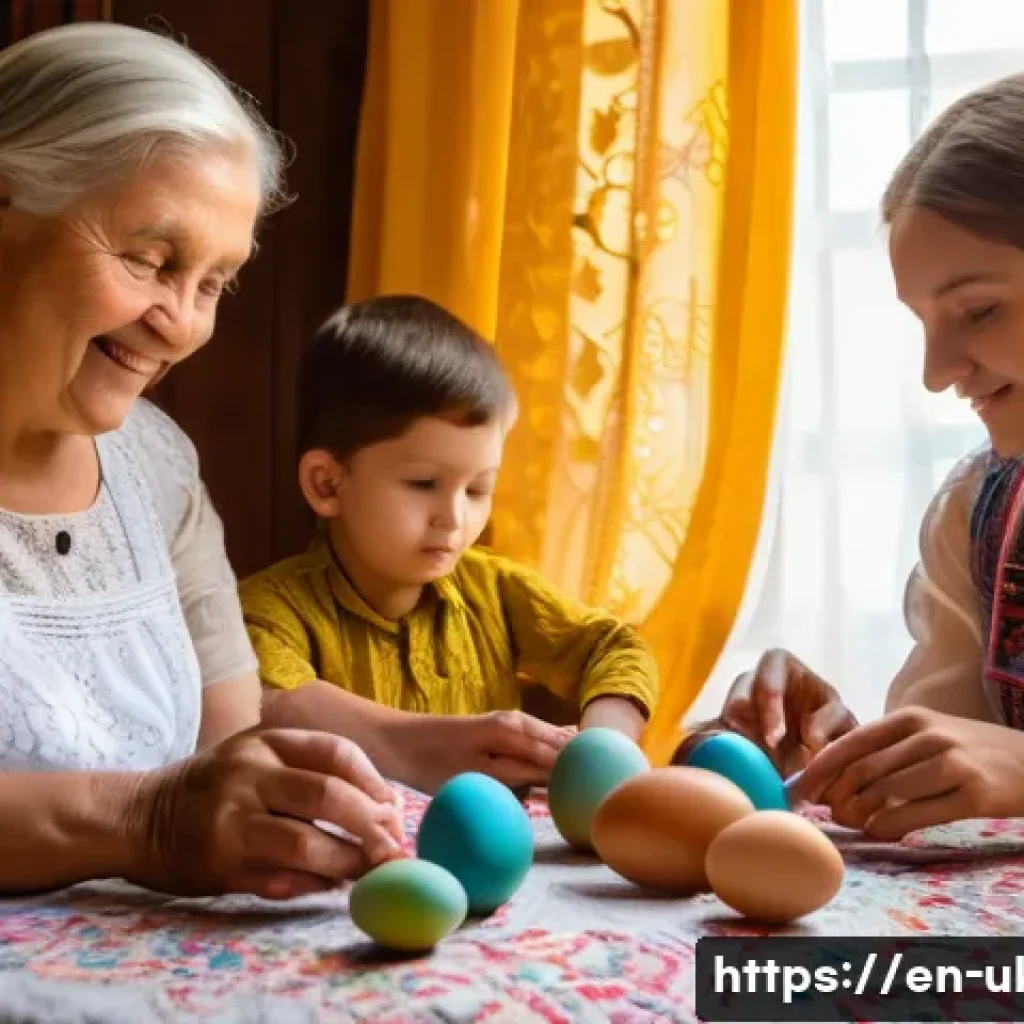
Easter in Ukraine is more than just a religious holiday; it’s a vibrant festival full of colorful customs that blend faith and folklore. One of the most striking practices is the painting of pysanky—intricately decorated eggs that serve as symbols of life, rebirth, and protection.
Families gather for hours, sometimes days, applying wax-resist patterns using traditional dyes, each motif carrying a specific meaning. The Easter basket blessing is another deeply rooted tradition, where baskets filled with bread, meats, cheese, and eggs are taken to church to be blessed by the priest.
This blessing is believed to bring health and prosperity to the family. What I’ve noticed in personal experiences is that these rituals are not only spiritual but also a way to reconnect generations, with grandparents passing down techniques and stories to younger family members.
Christmas and the Power of Caroling
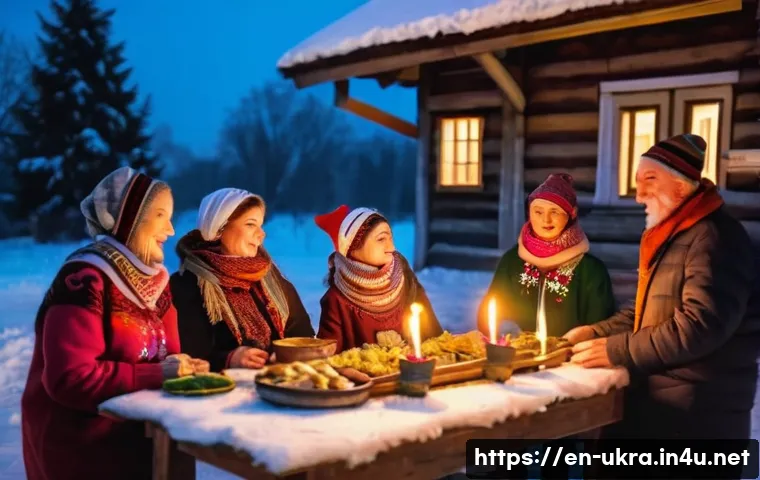
Christmas in Ukraine, celebrated on January 7th according to the Julian calendar, features a rich tapestry of customs that emphasize community and faith.
One of the highlights is the singing of koliadky, traditional carols that blend Christian themes with ancient pagan elements, echoing through villages and city streets.
Carolers dress in vibrant costumes, sometimes donning masks and animal figures, bringing joy and blessings door to door. Families prepare a twelve-dish supper, known as Sviata Vecheria, symbolizing the twelve apostles, where no meat is served, focusing on grains, fish, and vegetables.
From firsthand observation, this evening feels like a sacred communal moment, where the spiritual merges with hospitality, fostering a strong sense of belonging.
The Role of Saints’ Days and Pilgrimages
Beyond major holidays, saints’ days hold a special place in Ukrainian religious life. These days often involve visiting local shrines or monasteries, where pilgrims seek spiritual renewal and physical healing.
For example, the pilgrimage to the Pochaiv Lavra monastery in Western Ukraine is one of the most significant, attracting thousands who believe in its miraculous powers.
On these occasions, the air buzzes with a palpable sense of devotion, and I’ve seen firsthand how such pilgrimages strengthen personal faith and communal identity, especially in times of hardship.
Intertwining of Ancient Beliefs and Christian Practices
How Pagan Roots Influence Modern Worship
Ukrainian spirituality is a fascinating fusion where pre-Christian pagan customs subtly coexist with Orthodox and Catholic rites. Many folk practices, like blessing fields with holy water or the use of protective amulets, have pagan origins but have been incorporated into Christian rituals over centuries.
This blending creates a unique religious expression that feels deeply connected to the land and nature. When I explored rural areas, it was evident how these traditions provide comfort and continuity, especially for communities that rely heavily on agriculture and seasonal cycles.
Symbolism in Religious Art and Architecture
The visual elements in Ukrainian churches—icons, frescoes, and wooden carvings—reflect this syncretism. Icons often portray saints alongside nature motifs like trees and animals, embedding the sacred in everyday life.
The ornate iconostasis screens in Orthodox churches serve not only as religious focal points but also as storytelling canvases, narrating biblical tales infused with local symbolism.
Having visited several cathedrals, I found that the artistry invites a meditative experience, connecting worshippers with both divine and earthly realms.
Folk Healing and Spirituality
Traditional healers, known as znakhari, still play a subtle role in some Ukrainian communities. Their methods combine herbal remedies with prayers and rituals, reflecting a holistic view of health that merges body, mind, and spirit.
While the official church may distance itself from such practices, many people continue to seek this folk wisdom for ailments or life challenges. From conversations with locals, it’s clear that these traditions coexist alongside formal religious observance, offering a complementary path to wellbeing.
The Enduring Influence of the Ukrainian Greek Catholic Church
Historical Context and Modern Revival
The Ukrainian Greek Catholic Church (UGCC) stands as a testament to resilience, having survived suppression under Soviet rule and emerging stronger in the post-Soviet era.
Its unique blend of Eastern liturgical traditions with allegiance to the Vatican creates a distinct spiritual identity. The UGCC has played a vital role in nurturing national consciousness and cultural pride, especially in Western Ukraine.
From attending services in UGCC parishes, I’ve sensed a vibrant energy and community involvement that speaks to a faith deeply intertwined with Ukrainian identity.
Community Life and Social Outreach
Beyond worship, the UGCC is actively engaged in social programs, education, and humanitarian aid. Many parishes run schools, charity kitchens, and youth groups, fostering not only spiritual growth but also social responsibility.
This practical expression of faith resonates strongly with younger generations seeking meaningful ways to contribute to society. I’ve personally witnessed how these initiatives build bridges within communities, encouraging solidarity and hope amid ongoing challenges.
Liturgical Celebrations and Cultural Expression
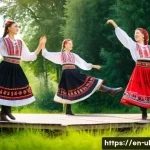
The UGCC’s liturgies are rich with music, chant, and ritual, blending solemnity with joyful celebration. Feast days often feature traditional dances, costumes, and communal meals, highlighting the church’s role as a cultural as well as spiritual hub.
Experiencing these events reveals how religion in Ukraine transcends individual belief, becoming a collective celebration of heritage and faith.
The Role of Monasticism in Spiritual and Cultural Life
Monasteries as Centers of Faith and Learning
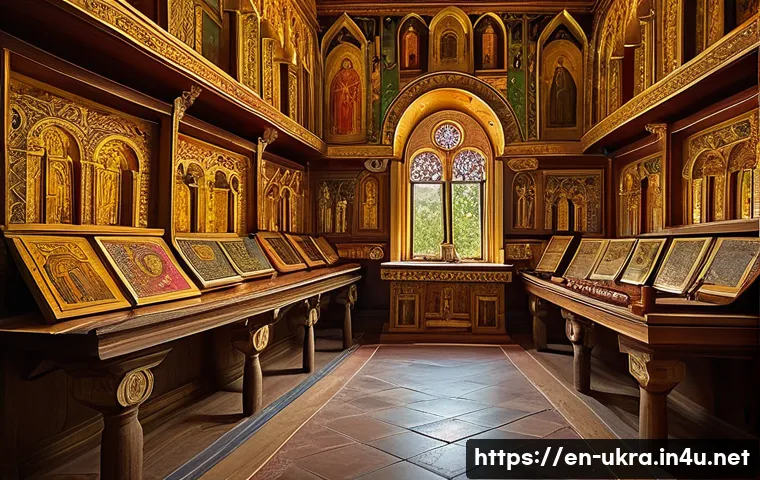
Monasteries in Ukraine serve as vital spiritual centers, offering places for prayer, contemplation, and scholarship. Many are ancient, with libraries housing manuscripts and religious texts that are treasures of Ukrainian history.
Monks and nuns dedicate their lives to preserving these traditions, often engaging in icon painting, calligraphy, and theological study. Visiting these monasteries, I was struck by the serene atmosphere and the palpable sense of devotion that seemed to transcend time.
Monastic Influence on National Identity
Historically, monasteries have been more than religious institutions; they have been guardians of Ukrainian language, culture, and resistance during foreign domination.
Their role in education and cultural preservation remains significant today. I found that local communities often regard monasteries as symbols of endurance and spiritual refuge, especially in regions affected by conflict.
Spiritual Retreats and Pilgrimage Experiences
Many monasteries welcome visitors seeking spiritual renewal through retreats or pilgrimages. These experiences offer opportunities to disconnect from daily life and engage in deep reflection.
From personal experience, participating in a retreat at a Ukrainian monastery brought a profound sense of peace and connection to both faith and tradition, making it a memorable journey for body and soul.
Religious Symbols and Their Meanings in Daily Life
The Cross and Its Varied Forms
The cross is central to Ukrainian Christian symbolism, but its forms vary widely—from the traditional Orthodox cross with its distinctive slanted footrest to simpler Latin crosses.
Each carries theological and cultural significance, often worn as pendants or displayed in homes for protection. Observing everyday life, it’s clear that these symbols serve as constant reminders of faith and identity, blending spiritual meaning with personal expression.
Holy Water and Its Protective Role
Holy water is frequently used in Ukrainian households for blessing spaces, objects, and even people. It’s believed to ward off evil and bring health and prosperity.
Many families have a small vessel of holy water near the entrance of their homes, using it daily. I’ve noticed that this practice, simple as it may seem, fosters a continuous sense of spiritual presence and comfort in everyday routines.
Traditional Clothing and Religious Significance
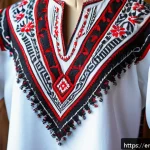
Embroidery on Ukrainian clothing, especially vyshyvanka shirts, often incorporates religious symbols such as crosses, stars, and geometric patterns linked to protection and blessings.
Wearing these garments during religious holidays or ceremonies not only honors faith but also cultural roots. From my observations, vyshyvankas create a visible connection between personal identity and spiritual heritage, celebrated with pride across generations.
Religious Diversity and Its Impact on Ukrainian Society
Orthodox Christianity’s Dominance and Variations
The majority of Ukrainians identify with Orthodox Christianity, but the landscape is far from monolithic. There are several Orthodox jurisdictions, each with distinct histories and loyalties, shaping religious and political dynamics.
This diversity influences worship styles, church governance, and community relations. From conversations with locals, I gathered that while differences sometimes cause tension, they also reflect Ukraine’s complex cultural mosaic.
Minority Faiths and Interfaith Relations
Besides Orthodoxy and Eastern Catholicism, Ukraine hosts various minority religious communities, including Protestants, Jews, Muslims, and others. These groups contribute to the country’s rich spiritual fabric and often engage in interfaith dialogue and cooperation.
I’ve attended interfaith events where mutual respect and shared values were emphasized, highlighting a hopeful path toward unity amid diversity.
Religion’s Role in Social and Political Life
Religion in Ukraine frequently intersects with social issues and politics, influencing national identity, language debates, and responses to conflict.
Clergy and religious organizations often act as mediators, advocates, and providers of humanitarian aid. Observing this dynamic, it’s evident that faith remains a powerful force shaping the country’s present and future, beyond purely spiritual dimensions.
Summary Table: Key Ukrainian Religious Traditions and Their Cultural Roles
| Tradition | Religious Affiliation | Cultural Significance | Common Practices |
|---|---|---|---|
| Pysanky Egg Decorating | Orthodox & Eastern Catholic | Symbolizes life, protection, and rebirth | Wax-resist dyeing, family gatherings |
| Sviata Vecheria (Christmas Eve Supper) | Orthodox & Eastern Catholic | Honors apostles, family unity | Twelve-dish meatless meal, caroling |
| Pochaiv Lavra Pilgrimage | Orthodox | Spiritual renewal and healing | Mass gatherings, prayer, offerings |
| Vyshyvanka Embroidery | General Christian symbolism | Protection, identity, heritage | Worn during religious and national holidays |
| Holy Water Blessing | Orthodox & Eastern Catholic | Protection and health | Blessing homes, objects, people |
글을 마치며
Ukrainian spiritual celebrations are a vibrant reflection of the nation’s rich history and deep faith. These traditions not only nurture personal belief but also strengthen family ties and community bonds. Experiencing them reveals a beautiful fusion of ancient customs and Christian devotion that continues to inspire and unite people across generations.
알아두면 쓸모 있는 정보
1. Pysanky egg decorating is more than art; it’s a meaningful ritual symbolizing protection and renewal, often passed down through generations.
2. The twelve-dish Christmas Eve supper, Sviata Vecheria, is a meatless meal that honors the apostles and brings families together in a sacred atmosphere.
3. Pilgrimages to monasteries like Pochaiv Lavra offer spiritual healing and a chance to connect with centuries-old religious traditions.
4. Traditional embroidery, such as vyshyvanka, carries protective symbols and represents a proud cultural and spiritual identity.
5. Holy water is commonly used in homes for blessings, reflecting a continuous practice of faith in daily life.
중요 사항 정리
Ukrainian religious traditions are deeply intertwined with cultural identity, blending Christian and pagan elements to create unique practices. These celebrations and symbols serve not only spiritual purposes but also reinforce community cohesion and heritage preservation. Understanding this rich tapestry offers valuable insight into Ukraine’s enduring faith and resilience.
Frequently Asked Questions (FAQ) 📖
Q: How do Orthodox Christianity traditions influence daily life in Ukraine?
A: Orthodox Christianity is deeply woven into the fabric of Ukrainian daily life. Many Ukrainians attend church services regularly, especially on important religious holidays like Easter and Christmas, which are celebrated with distinctive rituals such as the blessing of Easter baskets and the lighting of candles.
Beyond formal worship, Orthodox values often guide family life, community interactions, and moral decisions. Personally, I’ve noticed that these traditions foster a strong sense of community and continuity, even for those living far from their hometowns.
Q: What role does Eastern Catholicism play in Ukraine’s spiritual landscape?
A: Eastern Catholicism, particularly the Ukrainian Greek Catholic Church, serves as a bridge between Eastern Orthodox traditions and Roman Catholic practices.
It is especially prominent in Western Ukraine, where it has historically been a symbol of cultural and national identity. The liturgies are rich with ancient chants and rituals, and the church often plays a key role in preserving Ukrainian language and heritage.
From my experience, communities involved in Eastern Catholicism tend to have vibrant religious festivals that blend faith with local customs, creating a unique and heartfelt spiritual atmosphere.
Q: How have Ukraine’s religious traditions helped communities during turbulent times?
A: Ukraine’s religious traditions have been a source of resilience and hope throughout its complex history, including periods of political upheaval and conflict.
Faith communities often come together to support one another, providing not just spiritual comfort but practical aid as well. For example, during recent crises, churches have organized relief efforts, offered shelter, and maintained cultural solidarity.
Having witnessed some of these efforts firsthand, I can say that these traditions do more than sustain belief—they reinforce a collective strength that helps people endure and rebuild.