
Stepping into the unknown is often part of the travel thrill, but some adventures come with risks far too high to ignore. I know many of you dream of exploring unique destinations, and Ukraine, with its rich history and vibrant culture, has long captivated hearts.
However, the current reality paints a starkly different picture, one where safety must be your absolute priority. As someone who always puts your well-being first, I can’t stress enough how critical it is to understand the severe dangers present across much of the country right now.
If you’re currently in or considering travel to Ukraine, knowing which specific areas pose the gravest threats isn’t just helpful—it’s potentially life-saving.
Let’s find out exactly which places to avoid.
The Perilous Eastern Frontlines and Occupied Territories
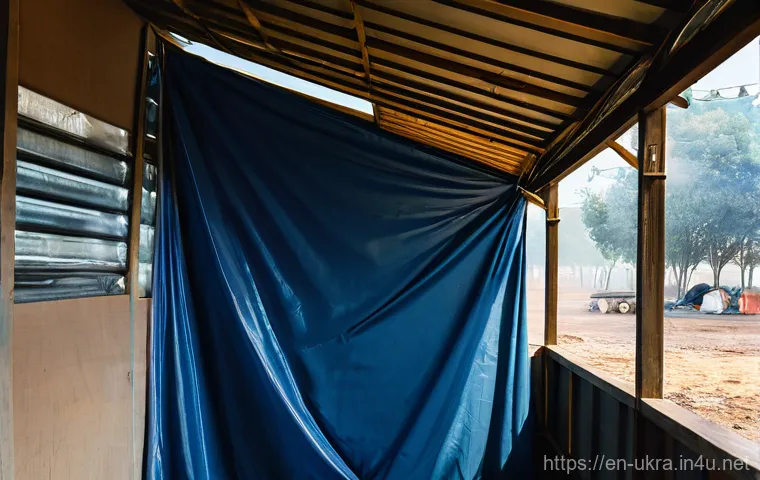
Listen, when we talk about Ukraine right now, my heart just sinks thinking about the eastern regions. It’s not just a conflict zone; it’s an active warzone, and honestly, even being *near* it is incredibly dangerous. I’ve seen enough reports and heard enough stories to know that this isn’t a place for anyone to be unless you’re absolutely essential personnel with proper security. These areas, including parts of Donetsk, Luhansk, Zaporizhzhia, and Kherson that are either occupied or on the very edge of active fighting, are under constant threat. We’re talking about relentless shelling, missile strikes, and intense ground battles. The infrastructure is often non-existent, and basic services like electricity, water, and medical aid are incredibly scarce or completely gone. Imagine being in a place where every siren means a potential immediate threat to your life. It’s a reality no one should have to face, let alone venture into willingly. My strong advice, based on everything I’ve learned and seen, is to stay as far away from these areas as humanly possible.
Frontline Cities and Towns: No-Go Zones
From what I gather, cities and towns directly on or near the front lines are, without a doubt, absolute no-go zones. Places like Bakhmut, Avdiivka, Marinka – they’ve become symbols of unimaginable destruction. I mean, the images coming out of there are just heartbreaking; entire communities leveled, lives shattered. Even slightly removed cities are regularly hit by long-range artillery and missiles. You simply cannot predict where the next strike will land. Local authorities are often overwhelmed, and emergency services are stretched beyond their limits. Think about it: if something goes wrong, if you get caught in a strike, or even just need basic help, who’s going to be there for you? It’s a risk that’s just not worth taking, plain and simple. My personal philosophy has always been to prioritize safety above all else, and here, safety is a luxury you won’t find.
Russian-Occupied Territories: Beyond Reach and Reason
And then there are the Russian-occupied territories. Oh boy, this is a whole different level of concern. These areas are completely outside the control of the Ukrainian government, and honestly, attempting to enter them is extremely hazardous, if not impossible, for foreign nationals. There’s no rule of law as we understand it, and reports of arbitrary detention, human rights abuses, and a complete lack of safety for civilians are rampant. Even if you somehow managed to get in, what would you do? There’s no consular assistance available, no protective mechanisms in place. You’d be entirely on your own, in a place where your freedom and even your life could be compromised in an instant. I’ve heard stories that make your blood run cold, and it’s a stark reminder that some places are just too dangerous to even contemplate visiting. Trust your gut feeling on this one – if it sounds too risky, it absolutely is.
Southern Ukraine: A Landscape of Unpredictable Threats
Moving south, we’re still dealing with a very volatile situation, particularly along the Black Sea coast and areas bordering the occupied territories. It’s not the same intense ground combat you see in the east, but the threat is still incredibly real and often comes from the sky or the sea. I’ve always been fascinated by coastal regions, but frankly, the beautiful beaches of places like Odesa or Mykolaiv are currently overshadowed by the grim reality of air raids and naval blockades. The port cities, which were once bustling hubs, are now targets. You’ll hear air raid sirens frequently, and honestly, that’s not the soundtrack you want for your vacation. The psychological toll alone of living under such conditions is immense, and as an outsider, you’d be ill-equipped to handle the constant stress and uncertainty that locals face daily. It’s a stark reminder that even seemingly calm moments can quickly turn into moments of sheer terror.
Coastal Cities Under Missile Threat
Mykolaiv and Odesa, for example, have experienced significant missile and drone attacks. I can only imagine the fear of hearing those sirens and not knowing where the next impact will be. These attacks aren’t just aimed at military targets; unfortunately, civilian infrastructure, residential buildings, and public spaces have been hit too. It really drives home the point that in a war, no place is truly safe when it comes to aerial threats. While Odesa might still hold some of its historic charm, the ever-present danger makes it incredibly unwise to visit. I always tell my friends that if a place requires you to constantly be aware of air raid shelters, it’s probably not the best spot for a relaxing trip. The unpredictability is what really gets to me; you could be enjoying a coffee one moment, and scrambling for cover the next. It’s just too much uncertainty for travel.
Proximity to Occupied Crimea and Kherson
Furthermore, the regions bordering occupied Crimea and Russian-held parts of Kherson are inherently risky. While the front line might be somewhat stable there, the proximity means a heightened risk of spillover, increased military activity, and logistical challenges. Crossing into or even near these areas could put you in a very precarious position. I’ve heard about stringent checkpoints and potential for arbitrary questioning, which is a headache no traveler wants, let alone the more severe risks. The atmosphere alone would be incredibly tense, far from the relaxed exploration many of us seek. It feels like walking on eggshells, and who wants that when they’re supposed to be discovering a new place? For me, the peace of mind knowing you’re not constantly looking over your shoulder is priceless, and that’s something you simply won’t have in these borderlands.
Navigating the Skies and Seas: Restricted Access and Lingering Dangers
Okay, so let’s talk about how you’d even *get* to Ukraine, because right now, that’s a huge part of the problem. As someone who’s always scouting for the best travel routes, I can tell you unequivocally that commercial air travel to or from Ukraine is simply non-existent. That’s a massive red flag right there. No major airline is operating flights because the airspace is designated as a high-risk war zone. It’s a clear indication of the severe dangers. Imagine planning a trip and realizing you can’t even fly in – that alone should make anyone pause. And it’s not just about getting there; it’s about what happens if you need to leave quickly. Without commercial flights, your options are extremely limited, often relying on overland routes that themselves can be unpredictable and dangerous. It’s a logistical nightmare that compounds all the other risks. My advice? If the skies are closed, it’s for a very good reason.
Closed Airspace: A Clear Indicator of Danger
The closure of Ukrainian airspace isn’t just an inconvenience; it’s a stark, undeniable symbol of the ongoing conflict and the immediate danger posed by missiles, drones, and military aircraft. I remember when I first heard about it, my immediate thought was, “Wow, this is serious.” It means that any flight, civilian or otherwise, faces an unacceptable risk. This isn’t like a weather delay; it’s about the very real possibility of being shot down. No government wants its citizens flying into such a situation, which is why international aviation bodies have issued severe warnings. Trying to circumvent this by other means, like flying to a neighboring country and driving in, doesn’t negate the fundamental danger that caused the airspace closure in the first place. For me, safety begins with the journey itself, and when that journey is inherently perilous, the whole idea of visiting just falls apart.
Maritime Blockades and Naval Mines
And if you thought land and air were problematic, the situation in the Black Sea is equally, if not more, treacherous. The ongoing naval blockade and the widespread presence of naval mines make any maritime travel incredibly dangerous. I’ve read reports of civilian vessels being damaged or sunk, and it’s a terrifying thought. The sea, which usually represents freedom and adventure, has become a minefield. Many commercial shipping routes are either completely closed or operating under extreme duress, and absolutely no recreational sailing or cruising is advisable. Imagine wanting to explore a beautiful coastline only to find it riddled with unseen explosives. It just crushes any romantic notions of sea travel. This isn’t a place for leisure or exploration; it’s a zone of active military operations, and staying clear of it is not just a recommendation, it’s a life-saving necessity.
Beyond the Capital’s Bustle: Understanding Broader Risks
While Kyiv, the capital, might seem relatively stable compared to the eastern front, it’s crucial to understand that no part of Ukraine is entirely immune from the conflict. I know many of you might think, “Well, the capital must be safer, right?” And yes, while the intensity of direct fighting is less, it’s still subject to frequent and devastating missile and drone attacks. I’ve seen videos and heard stories from friends who live there, describing the harrowing experience of air raid sirens and seeking shelter. The sense of normalcy can be deceptive; a sudden attack can shatter that illusion in an instant. It’s not just about avoiding the immediate impact zone, but also understanding the psychological toll and the constant state of alert that residents endure. For a visitor, this constant underlying tension isn’t conducive to any kind of enjoyable or safe trip. My heart goes out to the people living through this daily.
Kyiv and Major Cities: Persistent Air Threats
Even in major cities far from the front lines, the threat of long-range missile and drone attacks remains a grim reality. Kyiv, Lviv, Dnipro, Vinnytsia – all have experienced strikes that have caused civilian casualties and significant damage to infrastructure. It’s not a matter of if, but often when, another attack might occur. I’ve always believed that travel should be about enriching experiences, not about constantly looking over your shoulder for incoming threats. The city life might appear to go on, with cafes and shops open, but beneath that veneer is an incredible resilience born of necessity, not safety. For a tourist, navigating this environment means living with an unpredictable and potentially deadly risk at all times. It’s a very different kind of travel, one that I personally would find incredibly stressful and frankly, too dangerous to recommend.
Regional Hubs and Infrastructure Vulnerabilities
Beyond the very largest cities, regional hubs and the infrastructure connecting them are also vulnerable. Power grids, transportation networks, and communication systems have all been targeted, sometimes leading to widespread outages and disruptions. Imagine being in a smaller town and suddenly losing access to essential services, or finding yourself stranded due to damaged roads or railways. It’s not just an inconvenience; it can quickly become a serious safety issue, especially if you rely on those services for travel, information, or emergency assistance. I always preach preparedness, but even the most prepared traveler would struggle in such an unpredictable and actively hostile environment. The systemic disruption means that even if you avoid direct conflict, the knock-on effects can be severely impactful on your safety and ability to move freely and securely.
Border Regions: A Proximity to Conflict
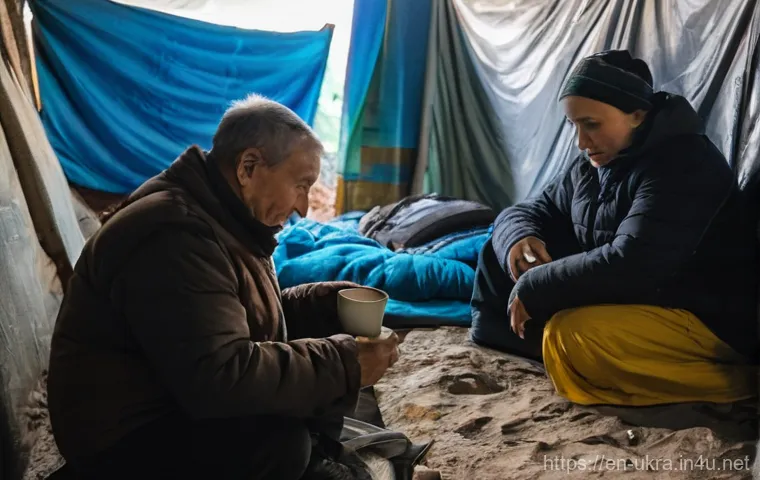
When you’re thinking about international travel, borders usually mean a transition, a gateway to a new place. But right now, Ukraine’s borders, especially with Russia and Belarus, are far from ordinary. They represent areas of immense tension and potential danger. I always tell people that understanding the geopolitical landscape is key to safe travel, and in this case, the landscape is incredibly fraught. Even if these specific border areas aren’t seeing active ground combat, their proximity to hostile nations means they are under constant surveillance and could become flashpoints at any moment. The military presence is heavy, and the atmosphere is anything but welcoming for tourists. It’s a zone of strategic importance for all sides, which means unpredictability is the only constant. My experience tells me that such regions are best observed from a very safe distance.
Border with Russia and Belarus: High Alert Zones
The entire border with Russia and, to a significant extent, with Belarus, is considered a high-alert zone. I’ve read enough to know that these aren’t just lines on a map; they are heavily fortified, monitored, and subject to sporadic attacks or incursions. For a civilian, accidentally straying into one of these areas could lead to severe consequences, from detention to far worse. Even non-military infrastructure near these borders could be targeted. This isn’t the kind of border crossing where you casually show your passport and drive through. It’s an active military perimeter. My personal take is that when governments issue strong warnings against travel to entire regions, they aren’t kidding. The risk of being in the wrong place at the wrong time is simply too high, and the potential for misinterpretation or escalating situations is immense. Stay away, plain and simple.
Transnistria Border: Unstable Enclave
Further west, the border with Moldova, specifically near the unrecognized Transnistria region, presents its own unique set of risks. Transnistria is a separatist region with a significant Russian military presence, and its status makes the entire area politically volatile and unpredictable. While not directly part of the full-scale invasion of Ukraine, any escalation in that region could have immediate repercussions for the Ukrainian side of the border. I always get nervous when I hear about “frozen conflicts” or unrecognized states, because they often lack transparency and stable governance, making them inherently dangerous. You don’t want to be caught in any crossfire or political maneuvering in such an unstable enclave. It’s another example of how the broader regional instability in Eastern Europe makes travel to certain areas of Ukraine simply too risky for anyone outside of essential missions.
The Invisible Scars: Unexploded Ordnance and Damaged Infrastructure
Beyond the immediate threats of active fighting, there are more insidious dangers that linger long after the shelling stops: unexploded ordnance (UXO) and severely damaged infrastructure. As someone who’s always thinking about preparedness, I know that these ‘invisible’ threats are often the most unpredictable and lethal for unsuspecting civilians. I’ve seen enough documentaries to know that after any conflict, the ground is littered with mines, cluster munitions, and unexploded shells, turning seemingly innocent fields or abandoned buildings into death traps. It’s a chilling thought, isn’t it? Even areas that haven’t seen direct fighting in months can still harbor these dangers, just waiting to be triggered by an unfortunate step. This makes free movement, even in supposedly ‘cleared’ areas, incredibly hazardous. My gut feeling tells me that this is one of those risks where even if you’re super careful, the hidden nature of the threat makes it almost impossible to fully mitigate.
Minefields and Unexploded War Remnants
Vast swathes of Ukrainian territory, particularly those that have seen active combat or occupation, are now contaminated with landmines and unexploded ordnance. This includes agricultural fields, forests, roadsides, and even residential areas. The clean-up effort will take decades, and in the meantime, these areas are lethal. I’ve always been a strong advocate for respecting local warnings, but in places like this, even official warnings might not cover every single danger zone. Walking off marked paths, exploring abandoned buildings, or even just touching unfamiliar objects could have catastrophic consequences. It’s not a risk you can see coming. Imagine stepping out of your car for a photo op and triggering an old mine. It’s a terrifying scenario, and it’s why I strongly advise against venturing into any areas that have been affected by the conflict, even if they appear calm now. The ground itself is a silent killer.
Damaged Utilities and Hazardous Environments
Furthermore, the conflict has left behind a trail of damaged infrastructure – not just buildings, but also critical utilities like water treatment plants, power stations, and chemical facilities. When these are damaged, they can create hazardous environments, releasing pollutants or compromising public health. I’ve heard stories of disrupted water supplies leading to health crises, or damaged industrial sites posing environmental dangers. It’s not just about a lack of comfort; it’s about fundamental health and safety. Entering such an environment without proper knowledge or protective gear would be incredibly reckless. Moreover, many buildings are structurally unsound, prone to collapse, and filled with debris. It means that even finding basic shelter or moving through a seemingly abandoned town carries significant physical risks beyond just the threat of war. For me, a safe environment is non-negotiable for travel, and these conditions are anything but safe.
| Region/Area | Primary Threats | Specific Risks to Avoid |
|---|---|---|
| Eastern Frontlines (Donetsk, Luhansk, parts of Zaporizhzhia) | Active ground combat, relentless shelling, missile strikes. | Direct conflict, infrastructure collapse, lack of essential services, extreme risk of injury/death. |
| Russian-Occupied Territories (e.g., Crimea, parts of Kherson) | Lack of rule of law, arbitrary detention, human rights abuses. | No consular assistance, severe personal security risks, complete absence of protective mechanisms. |
| Southern Coast (Mykolaiv, Odesa proximity) | Frequent missile and drone attacks, naval blockades. | Air raid threats, unexploded ordnance on beaches, maritime dangers, unpredictable strikes. |
| Border Regions (with Russia, Belarus, Transnistria) | High military presence, potential incursions, political volatility. | Accidental entry into hostile zones, detention, escalating situations, heavy checkpoints. |
| Former Conflict Zones (nationwide) | Widespread unexploded ordnance (UXO), landmines, booby traps. | Stepping on mines, accidental detonation, dangerous debris, long-term health hazards. |
| Major Cities (Kyiv, Lviv, Dnipro) | Persistent long-range missile and drone attacks. | Sudden air raids, civilian casualties, infrastructure damage, constant state of alert. |
Beyond the Headlines: Understanding Everyday Risks
Sometimes, the biggest dangers aren’t the ones making international headlines, but the everyday realities compounded by conflict. As an influencer, I always try to give you the full picture, and honestly, even outside of direct combat zones, daily life in Ukraine is incredibly challenging and carries risks that a typical traveler wouldn’t be prepared for. I’m talking about things like unreliable infrastructure, increased crime rates in certain areas due to desperation, and the immense psychological toll on the population. It’s not just about dodging shells; it’s about navigating a society under immense stress. My firsthand thoughts on this are that you need to be realistic: this isn’t a place for leisurely exploration right now. Even simple things that we take for granted, like reliable internet or a safe taxi, can be complicated by the ongoing situation, adding layers of unexpected danger to any trip.
Disrupted Infrastructure and Services
The war has severely impacted Ukraine’s infrastructure, leading to frequent disruptions in essential services. I’ve seen reports of power outages that last for hours or even days, disruptions to water supply, and unreliable internet and mobile phone coverage. Imagine being in an unfamiliar city, needing to contact someone, and your phone network is down, or the power goes out in your accommodation. It’s not just an inconvenience; it can be a serious safety issue, especially if you rely on these services for navigation, communication, or emergency contact. Furthermore, public transportation can be unreliable, and roads might be damaged or closed without much warning. For someone unfamiliar with the local nuances, these disruptions can quickly turn a simple journey into a stressful and potentially dangerous ordeal. My feeling is that without these basic assurances, even short trips become fraught with too much risk.
Increased Crime and Social Tensions
Sadly, in times of conflict and economic hardship, crime rates can sometimes rise, and social tensions can be elevated. I’ve always believed in staying vigilant wherever you travel, but in a war-torn country, this vigilance needs to be significantly heightened. Opportunistic crime, like theft or scams, might be more prevalent, and in a state of martial law, rules and regulations can be confusing or inconsistently applied. Furthermore, the sheer stress of war takes a heavy toll on people, and while Ukrainians are incredibly resilient, it’s not a situation conducive to a welcoming tourist environment. You might encounter heightened security checks, curfews, or restrictions on movement that can be difficult for a foreigner to navigate. It’s a complex environment where even seemingly minor interactions can carry unexpected weight, and frankly, it’s not the kind of atmosphere I’d want to expose myself to as a tourist.
Concluding Thoughts
Alright, my amazing readers, if you’ve made it this far, I truly hope you’ve grasped the incredibly serious nature of the situation in Ukraine right now.
My deepest hope is that this post has given you a real, unfiltered look into why traveling there currently isn’t just risky, but profoundly dangerous for pretty much anyone outside of essential humanitarian or military roles.
As much as I adore exploring new places and sharing those adventures, some destinations, at certain times, simply aren’t meant for tourists, and Ukraine, in its current state, falls squarely into that category.
Please, prioritize your safety and the safety of those around you. It’s truly not worth the immense, unpredictable risks.
Good-to-Know Information
1. Always, and I mean *always*, check your government’s official travel advisories before making any international travel plans. Organizations like the U.S. State Department or the UK’s Foreign, Commonwealth & Development Office provide real-time, critical information that should be your first point of reference for any destination, especially one impacted by conflict. Their warnings are there for a reason.
2. Understand the limitations of travel insurance. Most standard travel insurance policies explicitly exclude coverage for acts of war or terrorism. This means if you choose to travel to a conflict zone, you’re likely doing so without financial protection for medical emergencies, evacuations, or lost belongings. It’s a massive financial risk on top of the physical one.
3. If your heart is set on helping, consider channeling your energy through established humanitarian organizations. Groups like the Red Cross, Doctors Without Borders, or reputable NGOs have the infrastructure, experience, and safety protocols to operate in dangerous zones. Donating or volunteering with them is a far safer and more effective way to contribute than attempting to go it alone.
4. Be mindful of the immense psychological toll. The people of Ukraine are enduring unimaginable stress, loss, and trauma daily. If you were somehow to find yourself there, remember that you are in a country where people are fighting for their lives and their nation’s survival. Empathy, respect, and understanding for their situation should be paramount, not a desire for a unique travel story.
5. Look for alternative travel experiences. The world is vast and full of incredible, safe destinations waiting to be explored. Instead of putting yourself in harm’s way, consider visiting a neighboring country like Poland, Romania, or Moldova to learn about the region’s culture and history in a secure environment. You can still support the region indirectly through responsible tourism elsewhere.
Key Takeaways
So, here’s the bottom line, folks: Ukraine is currently an active warzone, and the dangers extend far beyond the immediate front lines. We’re talking about constant threats from missile and drone attacks in major cities, the terrifying omnipresence of unexploded ordnance in former combat zones, and the complete absence of rule of law in occupied territories.
Commercial air travel is suspended, maritime routes are perilous, and even seemingly stable areas carry unpredictable risks. For your own safety and peace of mind, now is simply not the time for tourist travel to Ukraine.
Stay informed, stay safe, and let’s hope for a future when peace allows for safe exploration once more.
Frequently Asked Questions (FAQ) 📖
Q: What makes traveling to Ukraine so dangerous right now, beyond the obvious conflict areas?
A: My dear fellow adventurers, I totally get that wanderlust feeling, that pull to explore places off the beaten path. Ukraine, with its incredible spirit and beauty, used to be one of those captivating spots.
But right now, the situation there is truly heart-wrenching, and the dangers extend far beyond what you might imagine as “front lines.” It’s not just about active combat zones, though those are terrifyingly real.
We’re talking about a country where missile and drone strikes can happen anywhere, anytime, even in cities far from the active fighting. Imagine being in a beautiful city, sipping coffee, and suddenly an air raid siren blares, forcing you into a shelter – that’s the constant, unpredictable reality.
Then there are unexploded ordnance and landmines, especially in areas that have seen conflict. These hidden dangers can turn a simple walk into a deadly risk.
Plus, martial law means your freedoms are extremely limited, and consular services for foreign citizens are incredibly stretched or non-existent in many places.
Personally, when I think about how quickly things can change, the thought of being caught in that uncertainty just sends shivers down my spine. It really breaks my heart to say it, but the whole country is under a severe threat level.
Q: I’ve heard some parts of Ukraine are “safer.”
A: re there any specific regions or cities that are currently considered relatively less risky for visitors, or should I avoid the entire country? A2: This is such a critical question, and one I get asked a lot when talking about high-risk destinations.
It’s easy to wish for a “safe zone,” a little pocket where the danger doesn’t touch, especially when you have a connection to a place or a dream to see it.
However, my honest advice, and it truly comes from a place of deep concern for your safety, is to avoid all non-essential travel to Ukraine right now.
Even cities in the western part of the country, which might seem geographically distant from the main conflict areas, are absolutely not immune to missile attacks.
I’ve been following the news closely, and reports of strikes in cities like Lviv or even further west pop up unexpectedly. The simple truth is, there’s no truly “safe” region in Ukraine at this moment where you can guarantee your well-being.
The threat is pervasive and unpredictable. Frontline regions in the east and south, like Donetsk, Luhansk, Zaporizhzhia, Kherson, and parts of Kharkiv, are active war zones, and entering them would be an unimaginable risk.
But frankly, the entire country is under a high-level travel advisory from governments worldwide, and that’s not something to take lightly. As much as it pains me, putting your life on the line for tourism is just not worth it when the entire nation is under such extreme duress.
Q: If I absolutely must travel to Ukraine for an essential reason, or if I find myself there, what immediate steps should I take to ensure my safety and what resources are available to help?
A: Okay, this is a tough one, and my heart goes out to anyone in this situation. While I strongly advise against any non-essential travel, I understand that sometimes life throws unavoidable circumstances our way.
If you find yourself in Ukraine, or if you absolutely must go for a truly essential, life-or-death reason (and I mean truly essential, like family emergency or humanitarian aid with proper support), your absolute priority is safety.
First, register with your country’s embassy or consulate immediately upon arrival – they can’t help you if they don’t know you’re there! Second, always, always have a contingency plan for evacuation and know your nearest bomb shelters.
Seriously, research this beforehand. Download local air raid siren apps and take every alert seriously. When that siren blares, don’t hesitate; seek immediate shelter.
I’ve personally heard stories from people who’ve had mere seconds to react, and hesitation can be fatal. Keep a “go-bag” ready with essentials: water, non-perishable food, medications, first-aid, power bank, and important documents.
Stay informed through reliable, official news sources and follow all local authority instructions. Remember, the goal is survival, and that means staying vigilant and prepared for the absolute worst.
And if you have any choice at all, please, please reconsider. There are always other ways to support Ukraine without putting yourself in harm’s way.