Hey there, travel enthusiasts and curious minds! I’ve been so deeply moved by everything happening in Ukraine, and it’s made me realize how much more there is to learn about this incredible nation.
One of the most fascinating aspects, and honestly, something that really helps you *get* the country, is its vibrant ethnic makeup. It’s not just about one group; Ukraine is a rich mosaic of cultures and peoples, each with their own unique story.
Understanding this incredible blend is key to appreciating its deep history and resilient spirit today. Let’s dive in and explore exactly who makes up this amazing country!
The Deep Roots of Ukrainian Identity
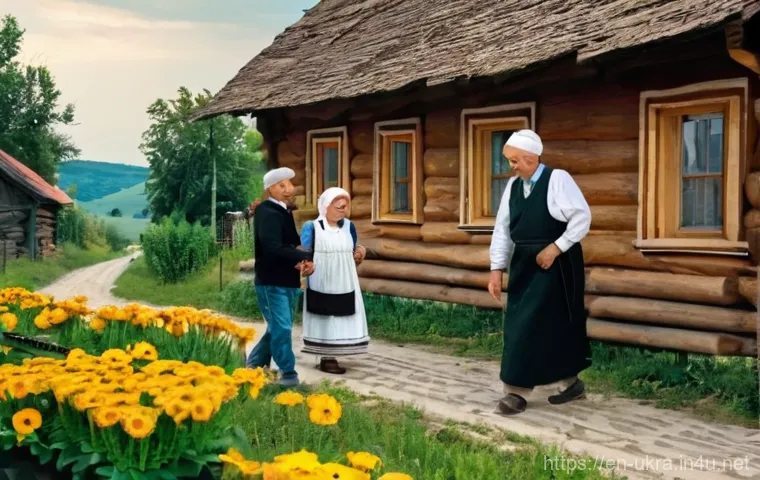
You know, when I first started digging into Ukraine, I thought it was just… well, Ukraine. Simple, right? But boy, was I wrong! It’s like peeling back layers of an onion, and each layer reveals something more vibrant and complex than the last. What I’ve come to understand is that the very idea of “Ukrainian” isn’t a monolith; it’s a living, breathing entity shaped by centuries of migration, conquest, and coexistence. From the ancient Scythians to the Kievan Rus’, the land we now know as Ukraine has always been a crossroads, a place where east meets west, north meets south, creating a unique cultural fusion that’s truly captivating. I mean, think about it – how many countries can boast such a rich historical backdrop, where empires rose and fell, leaving their indelible marks on the people who remained? It’s not just about what’s written in history books; you can literally feel these echoes in the traditions, the music, and even the architecture. This deep historical layering is what gives the Ukrainian identity its incredible resilience and depth, a quality I’ve personally found so inspiring during these challenging times. It’s a testament to how diverse influences can forge something incredibly strong and beautiful, something that truly stands the test of time and adversity. Every time I learn a new historical tidbit, it just makes me appreciate the current moment even more, understanding that today’s Ukraine is a culmination of so many interwoven stories, each adding to its unique charm and enduring spirit. It’s a story of survival, adaptation, and an unwavering spirit that makes you want to cheer for them.
The Slavic Heartbeat: East Slavs
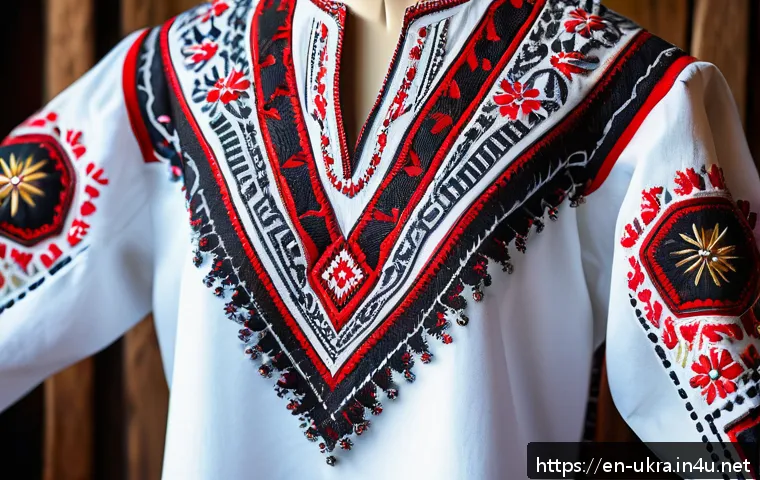
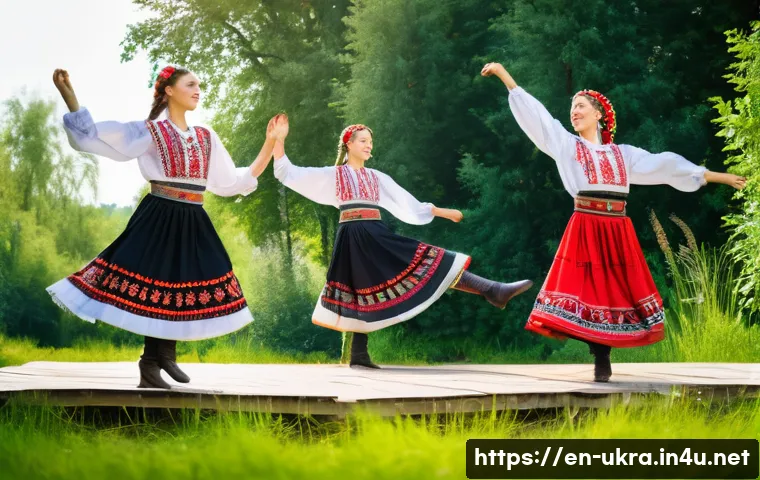
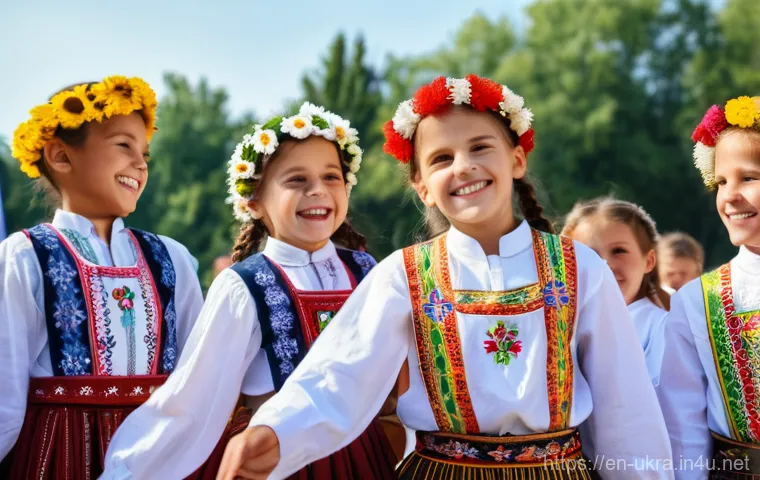
Of course, when we talk about Ukraine, the first group that comes to mind for many are the East Slavs, particularly ethnic Ukrainians themselves. This group forms the overwhelming majority, and their language, culture, and traditions are the bedrock of the nation. But even within this dominant group, there’s a fascinating regional diversity that I’ve found incredibly interesting. I’ve always found it so cool how folks from the Carpathians have a slightly different dialect and even culinary traditions than those from the steppes of the south. It’s not a monoculture at all, which is something I really appreciate. Imagine the vibrant folk dances, the intricate embroidery, and the soulful traditional songs – these are all expressions of this rich Slavic heritage that has been passed down through generations, surviving invasions and political shifts. It’s a powerful connection to the land and a deep sense of shared history that binds them together. This internal diversity within the Ukrainian ethnic group itself is often overlooked, but it contributes so much to the richness of the national culture, making every region feel distinct yet undeniably part of a larger whole. It reminds me that even within what seems like a single identity, there’s always a beautiful spectrum of experiences and expressions.
Ancestral Echoes: Early Settlers and Influences
Before the modern nation-states, this land was a veritable melting pot. I’m talking about the Scythians, Sarmatians, Goths, Huns – you name it, they probably passed through or settled here! Each group, even if they didn’t stay forever, left a genetic and cultural imprint that continues to resonate today. It’s like a geological cross-section, but with people and traditions instead of rocks. For example, some historians even suggest certain aspects of traditional Ukrainian clothing or martial arts might have distant roots in these ancient nomadic cultures. It’s truly fascinating to think how far back these influences go, shaping not just the land but the very essence of its people. These ancient layers contribute to the distinct spirit and character you encounter when you meet people from different regions, offering a subtle nod to their varied pasts. I can’t help but feel a sense of wonder at this historical mosaic, realizing how much of what we see and experience today is a direct result of these ancient migrations and interactions. It’s a testament to how history is never truly in the past, but always alive in the present, subtly shaping our identities and cultures in ways we might not even consciously realize.
Beyond the Borders: A Tapestry of Peoples
Stepping beyond the dominant Ukrainian identity, what truly makes Ukraine a vibrant nation is the incredible array of minority groups who have called this land home for centuries. It’s not just about percentages on a census; it’s about communities with their own languages, traditions, and stories contributing to the national narrative. This diversity has always fascinated me, especially as I’ve seen firsthand how these different groups maintain their heritage while also being an integral part of Ukrainian society. It’s a testament to the country’s capacity for inclusion, even amidst various historical challenges. I’ve learned that understanding these communities is crucial to grasping the full picture of Ukraine – they aren’t just footnotes; they are active, living threads in the rich tapestry of the nation. For me, it’s incredibly inspiring to see how these groups, despite often facing unique hurdles, have preserved their distinct cultures, adding such incredible depth and color to the Ukrainian experience. You can literally walk through different neighborhoods and feel the distinct cultural vibes, which is something I absolutely adore about traveling and exploring new places.
The Enduring Presence of Russians and Belarusians
Historically and geographically, Russians form the largest minority group in Ukraine, particularly prevalent in the eastern and southern regions. Their presence is deeply intertwined with Ukraine’s past, leading to significant cultural and linguistic overlaps. Similarly, Belarusians, sharing a closely related East Slavic heritage, also contribute to the ethnic landscape. I’ve found that even though there are shared roots, each group maintains its unique cultural nuances. For instance, while Russian is widely spoken in certain areas, the adoption and embrace of the Ukrainian language and culture by many Russian speakers over generations speaks volumes about integration and shared identity. It’s a complex dynamic, but one that highlights the fluidity of identity and the power of shared experiences over time. Understanding this intertwined history is key to appreciating the contemporary cultural landscape, recognizing how neighboring peoples have influenced each other while simultaneously forging their distinct paths. It’s a prime example of how history shapes demographics and, in turn, how people navigate their identities within a broader national context.
Romania, Hungary, and Poland: Echoes of Neighbors
Along Ukraine’s western borders, you’ll find communities with deep ties to neighboring countries like Romania, Hungary, and Poland. These groups often live in compact settlements, preserving their ancestral languages, customs, and even dual citizenship in some cases. I’ve heard stories from people who seamlessly switch between Ukrainian and Romanian, or Ukrainian and Hungarian, in their daily lives, which I think is absolutely incredible! It’s not just about language; it’s about traditional holidays, unique culinary practices, and distinct architectural styles that add such a rich flavor to the region. Imagine stumbling upon a village where Hungarian is spoken more often than Ukrainian, or where Romanian folk music fills the air – these aren’t just isolated pockets, but vibrant communities that showcase the multicultural reality of Ukraine. These communities act as living bridges, connecting Ukraine to its European neighbors through shared heritage and ongoing cultural exchange. It’s a beautiful reminder of how porous borders can be culturally, even when they’re strictly defined politically.
Languages That Weave Through the Land
One of the first things that struck me when I started learning about Ukraine was the intricate linguistic landscape. It’s far from a single-language nation, and that’s something I find utterly fascinating! While Ukrainian is the official state language and undeniably central to national identity, you’ll hear a symphony of other tongues depending on where you travel. This linguistic diversity isn’t just a byproduct of history; it’s a living, breathing aspect of daily life for countless citizens. It reflects centuries of interactions, migrations, and shared spaces, creating an environment where multiple languages often coexist, sometimes even within the same conversation! I’ve personally found it incredibly enriching to hear snippets of different languages when visiting various regions; it really drives home the point that culture is truly alive and evolving. Understanding this linguistic tapestry is crucial because language isn’t just about communication; it’s about identity, history, and a deep connection to one’s roots. It’s a powerful indicator of the vibrant and varied human stories that make up Ukraine, and frankly, it just makes the country even more intriguing to me.
Ukrainian and Russian: A Complex Dialogue
The relationship between Ukrainian and Russian has long been a central aspect of the linguistic landscape. While Ukrainian is the sole state language, Russian has historically been widely spoken, especially in the east and south, due to centuries of Russian and Soviet influence. However, in recent years, there has been a significant shift, with a growing number of people actively choosing to speak Ukrainian, particularly among younger generations. This isn’t just a political statement; it’s a profound cultural embrace, a reaffirmation of national identity. I’ve noticed friends of mine, who previously spoke Russian predominantly, are now making a conscious effort to communicate in Ukrainian, which I find incredibly powerful. It’s a visible sign of a nation reclaiming and strengthening its unique voice, even as many remain bilingual. The dynamic is evolving, but the coexistence of these two major Slavic languages continues to shape daily life, media, and cultural expression in fascinating ways, reflecting the ongoing journey of national self-determination.
Minority Languages: Voices of Heritage
Beyond Ukrainian and Russian, a whole host of minority languages echo across the country. We’re talking about Crimean Tatar, which is tragically endangered in its native Crimea; Hungarian and Romanian in the Transcarpathian and Chernivtsi regions, respectively; Polish in the west; and even Yiddish, a poignant reminder of Ukraine’s once-thriving Jewish communities. Each of these languages carries with it a distinct history, a unique set of cultural traditions, and a precious piece of the global linguistic mosaic. I always find it heartwarming to hear these languages being spoken, knowing that communities are actively working to preserve their linguistic heritage against various odds. These languages aren’t just sounds; they are entire worlds, encapsulating stories, songs, and wisdom passed down through generations. They add immeasurable richness to Ukraine’s cultural fabric, making it a truly multilingual nation where a diversity of voices contributes to the national chorus. It reminds me that every language spoken is a treasure, a window into a unique perspective on the world.
Faith and Festivals: Spiritual Journeys
You know, for many people, faith is an incredibly personal journey, but in Ukraine, it’s also deeply woven into the fabric of national and ethnic identity. It’s more than just attending services; it’s about cultural practices, historical legacies, and the rhythms of life dictated by religious calendars. I’ve always found it so striking how different faiths coexist and contribute to the overall spiritual landscape of the country, sometimes with distinct traditions tied to specific ethnic groups. It’s not a monolithic religious environment at all, and that diversity truly fascinates me. From the grand cathedrals of Kyiv to the quaint wooden churches in the Carpathians, or the quiet synagogues in old towns, you see the visible markers of a deeply spiritual and multi-faith nation. This interplay of faith and culture has shaped everything from art and music to community life and national holidays. It makes you realize how much history and identity are tied to belief systems, and how these beliefs, in turn, create such a vibrant and varied cultural experience across the country. It’s a reminder that spirituality, in all its forms, is a powerful force that shapes people and nations.
Orthodoxy’s Diverse Branches
The dominant religious tradition in Ukraine is Eastern Orthodoxy, but even within Orthodoxy, there’s a fascinating and complex array of branches. You have the Orthodox Church of Ukraine, which gained independence from Moscow in 2019, and the Ukrainian Orthodox Church (Moscow Patriarchate), which has historical ties to Russia. This division isn’t just theological; it’s deeply political and cultural, reflecting the ongoing struggle for national sovereignty. Then there’s the Ukrainian Greek Catholic Church, primarily in Western Ukraine, which follows Eastern rites but acknowledges the Pope’s authority. I’ve always been intrigued by how these different Orthodox and Eastern Catholic traditions have coexisted, sometimes harmoniously, sometimes with tension, shaping regional identities and loyalties. It really highlights how spiritual allegiance can be intertwined with national sentiment, making the religious landscape much more nuanced than a simple ‘Christian’ label might suggest. It’s a dynamic that I find endlessly compelling, demonstrating how faith is so much more than just personal belief; it’s a communal, historical, and deeply political force.
Beyond the Orthodox: Other Faiths
While Orthodox Christianity is predominant, Ukraine is also home to a diverse array of other faiths. You’ll find a significant number of Roman Catholics, especially among Polish and Hungarian communities in the west, and Protestants, whose presence grew significantly after the collapse of the Soviet Union. There’s also a vibrant Jewish community, particularly in historical centers like Odesa and Lviv, carrying on traditions that survived unimaginable hardship. And let’s not forget the Crimean Tatars, who are predominantly Sunni Muslims, and whose cultural and religious identity is intrinsically linked to Islam. I’ve personally been moved by the resilience of these communities, who continue to practice their faiths and preserve their traditions despite historical persecutions and contemporary challenges. It’s truly inspiring to see how these different spiritual paths contribute to the mosaic of Ukrainian society, creating a more inclusive and multifaceted nation. It’s a beautiful testament to the idea that religious freedom is a cornerstone of a truly diverse and respectful society, allowing various spiritual expressions to flourish side by side.
Culinary Crossroads: Tastes of Diversity
Okay, let’s be real, when I travel, one of the first things I want to explore is the food! And in Ukraine, the cuisine is absolutely a reflection of its incredible ethnic diversity. It’s not just about borscht and varenyky – though those are undeniably delicious! What I’ve discovered is a culinary landscape that tells stories of migration, trade, and shared tables. Each ethnic group has brought its own unique flavors, ingredients, and cooking techniques, enriching the national palate in ways that are truly mouthwatering. Imagine a feast that incorporates the hearty stews of Ukrainian peasants, the delicate pastries with Turkish influences, the spicy dishes from Jewish traditions, and the comforting flavors from Russian or Hungarian kitchens – it’s a gastronomic adventure! I’ve had some of the most memorable meals in Ukraine, and every time, I’m struck by how the food isn’t just sustenance; it’s a powerful expression of cultural identity and historical interconnectedness. It’s a living history lesson you can taste, and honestly, that’s my favorite kind of lesson! It really drives home how food is a universal language that brings people together and celebrates their unique heritage.
Ukrainian Staples and Regional Twists
At the heart of Ukrainian cuisine, you’ll find staples like potatoes, cabbage, beets, and grains, forming the basis for iconic dishes. But even these “national” dishes show fascinating regional variations that reflect local ingredients and historical influences. For example, the borscht in Kyiv might be richer with meat, while in a village near the Carpathian Mountains, it might be a more vegetable-heavy, sour variation. Then there are dishes like ‘salo’ (cured pork fat), a true national obsession, prepared in countless ways. I’ve personally tried a few variations, and each one felt like a little peek into the local culture. The creativity and resourcefulness of Ukrainian cooking, transforming simple ingredients into comforting and delicious meals, is truly inspiring. It’s a cuisine that’s both hearty and flavorful, deeply rooted in the land and its history. This regional diversity ensures that exploring Ukrainian food is an ongoing adventure, with new discoveries awaiting in every town and village, a culinary journey that never gets boring.
Flavors from the Minorities: A Global Palate
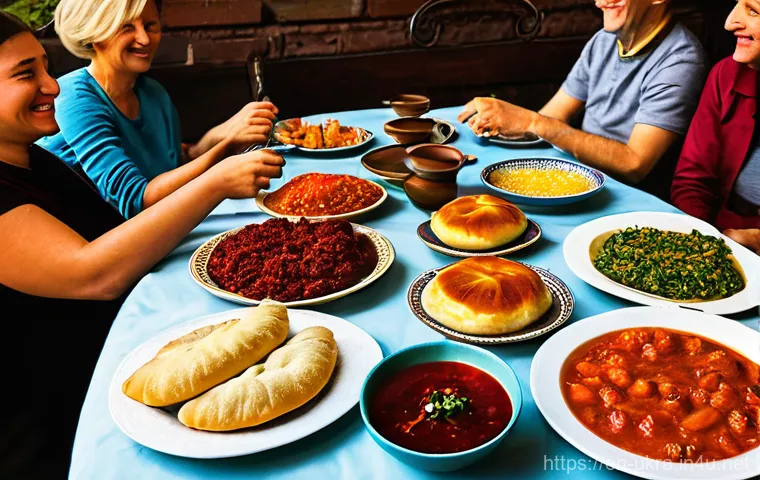
But the true magic happens when you delve into the contributions of Ukraine’s minority groups. The Crimean Tatars bring delicious pilaf, savory chebureki (fried turnovers), and unique spices that evoke the flavors of the steppe and the Black Sea. In Transcarpathia, Hungarian influences mean you can find hearty goulash, spicy paprikash, and sweet strudels. Along the western borders, Polish and Romanian culinary traditions also weave their way into local kitchens, from savory pierogi-like dumplings to rich stews. And let’s not forget the enduring legacy of Jewish cuisine, with its delectable challah, gefilte fish, and various potato dishes, which have significantly impacted urban culinary scenes. I’ve had the pleasure of sampling some of these, and each dish was a delightful surprise, a testament to the fact that Ukraine’s food scene is a true melting pot. These minority contributions transform Ukraine’s food from simply “good” to an incredibly diverse and endlessly exciting gastronomic experience, showing how every culture brings something special to the table.
The Resilience of Ukrainian Minorities
As I’ve delved deeper into the stories of Ukraine’s ethnic groups, what has truly stood out to me is their incredible resilience. It’s one thing to merely exist; it’s another to thrive, maintain your heritage, and contribute to the national fabric despite historical challenges, periods of suppression, and sometimes, outright persecution. Many of these communities have faced significant hurdles, from forced resettlements during the Soviet era to the ongoing challenges posed by conflict and political shifts. Yet, they persist, holding onto their languages, traditions, and unique identities with an unwavering spirit that I find profoundly moving. It’s a testament to the human spirit’s capacity for endurance and the deep-seated desire to preserve one’s roots. I’ve heard firsthand accounts of how families kept their languages alive through secret lessons or celebrated holidays in defiance of bans, and honestly, it just gives me goosebumps. These acts of cultural preservation are not just about nostalgia; they are vital acts of self-determination and an ongoing contribution to Ukraine’s rich tapestry. Their stories remind me that resilience isn’t just about surviving; it’s about finding ways to flourish and maintain identity against all odds.
Preserving Culture in Challenging Times
For many minority groups in Ukraine, cultural preservation is an active and ongoing endeavor. Take the Crimean Tatars, for instance; their culture and language face severe threats under Russian occupation in Crimea, yet communities in mainland Ukraine and abroad are working tirelessly to keep their heritage alive through schools, cultural centers, and media. Similarly, smaller communities like the Roma, despite facing systemic discrimination, continue to maintain their unique traditions, music, and language. This active preservation often involves community-led initiatives, sometimes with government support, to teach native languages, host traditional festivals, and document oral histories. I’ve always admired the passion and dedication of individuals and groups who commit themselves to ensuring their heritage isn’t lost to time or adversity. It’s a powerful act of defiance and a celebration of identity, showcasing how culture is a living entity that requires constant nurturing and advocacy to survive and flourish for future generations. It truly embodies the spirit of holding onto what makes you, *you*, no matter what.
Contributions to the Broader Society
It’s vital to recognize that Ukraine’s minority groups aren’t just recipients of rights or subjects of study; they are active, contributing members of society, enriching the nation in countless ways. They contribute to the economy, participate in political life, serve in the armed forces, and enrich the cultural landscape with their art, music, and literature. For example, many prominent Ukrainian figures in arts, science, and politics have diverse ethnic backgrounds, their heritage adding unique perspectives and talents to the national discourse. The idea that these different groups are not just coexisting but actively building a shared future together is incredibly inspiring to me. Their stories are integral to the larger Ukrainian narrative, demonstrating that strength truly comes from diversity, and that a nation is at its best when it embraces and celebrates all its people. It’s a powerful message that resonates far beyond Ukraine’s borders, reminding us that true national identity is inclusive, not exclusive, and built on the varied experiences of everyone who calls it home.
Unity in Diversity: A Nation Forged Together
After diving deep into Ukraine’s ethnic landscape, one overarching truth has become incredibly clear to me: the country’s strength lies precisely in its diversity. It’s not a weakness, but a profound source of resilience, creativity, and enduring spirit. In a world often grappling with divisions, Ukraine offers a powerful example of how a nation can be forged from a multitude of cultures, languages, and histories, coming together under a shared national identity. I’ve seen how, despite historical tensions or external pressures, there’s a fundamental understanding among most Ukrainians that their collective future is intertwined. This isn’t some abstract political concept; it’s something you feel when you talk to people, when you witness communities supporting each other, and when you see the varied cultural expressions that proudly make up the Ukrainian whole. It’s a continuous, evolving process of negotiation and integration, but the commitment to a shared future is palpable. This profound sense of unity, born from such diverse origins, is what truly makes Ukraine such a fascinating and inspiring nation to learn about, and frankly, it gives me so much hope for what’s possible when people choose to build together.
Shared Values and National Identity
Despite their varied backgrounds, many citizens of Ukraine share fundamental values that transcend ethnic lines. These include a strong connection to the land, a deep appreciation for freedom and self-determination, and a remarkable resilience in the face of adversity. The ongoing challenges have, in many ways, solidified a shared Ukrainian civic identity that encompasses its diverse ethnic groups. It’s about being a citizen of Ukraine, contributing to its future, and defending its sovereignty, regardless of whether your ancestors spoke Ukrainian, Russian, Hungarian, or Crimean Tatar. I’ve personally been incredibly moved by the way people from all walks of life have come together, proving that national identity can be a big tent, welcoming and embracing of all its members. This shared sense of purpose and belonging, forged through common experiences and aspirations, is a powerful force that unites people far beyond the distinctions of their heritage. It’s a beautiful illustration of how a common destiny can create a stronger, more inclusive identity, rather than eroding individual cultural nuances.
Building Bridges for a Brighter Tomorrow
The journey of fostering greater unity and understanding among Ukraine’s diverse ethnic groups is an ongoing one, but there’s a clear commitment to building bridges. This involves various initiatives, from educational programs promoting multilingualism and multicultural awareness to cultural festivals that celebrate the heritage of all communities. The goal is not assimilation, but rather integration and mutual respect, where each group feels valued and has the space to preserve its unique identity while contributing to the common good. I’m always so heartened to see efforts being made to ensure that minority languages are taught in schools, or that cultural centers receive support, because these are the foundations for genuine inclusion. It’s about creating a society where diversity isn’t just tolerated, but actively celebrated as a source of national strength and richness. This forward-looking approach, recognizing and valuing every thread in the national tapestry, is what I believe will continue to make Ukraine an even stronger and more vibrant nation in the years to come, proving that unity doesn’t mean uniformity, but rather a harmonious blend.
| Ethnic Group | Approximate Percentage (2001 Census) | Key Cultural/Linguistic Notes |
|---|---|---|
| Ukrainians | 77.8% | East Slavic; official language is Ukrainian; diverse regional traditions in folk art, music, and cuisine. |
| Russians | 17.3% | East Slavic; historically prominent in eastern and southern regions; Russian language widely spoken, though Ukrainian use is increasing. |
| Belarusians | 0.6% | East Slavic; close linguistic and cultural ties to Ukrainians and Russians. |
| Moldovans/Romanians | 0.8% | Romance-speaking; concentrated along the southwestern border regions; strong cultural ties to Romania and Moldova. |
| Crimean Tatars | 0.5% | Turkic-speaking; predominantly Sunni Muslim; indigenous people of Crimea; rich cultural heritage, severely impacted by occupation. |
| Bulgarians | 0.4% | South Slavic; found in southern Ukraine, particularly Odesa Oblast; distinct folk traditions. |
| Hungarians | 0.3% | Finno-Ugric speaking; concentrated in Transcarpathia; strong cultural ties to Hungary. |
| Poles | 0.3% | West Slavic; historically significant presence in Western Ukraine; Roman Catholic faith. |
Embracing the Mosaic: What I’ve Learned
Reflecting on everything I’ve learned about Ukraine’s ethnic makeup, what truly resonates with me is the profound realization that a nation’s soul is often found in its diversity. It’s not just a collection of different peoples; it’s a dynamic interplay of histories, traditions, and aspirations that coalesce to form something truly unique and incredibly resilient. I’ve always believed that genuine understanding comes from looking beyond the surface, and in Ukraine’s case, that means appreciating every single thread in its rich, intricate tapestry. The personal stories I’ve encountered, the glimpses of distinct cultural practices, and the unwavering spirit of communities striving to preserve their heritage have left an indelible mark on me. It makes you realize that identity is a complex, beautiful, and often fiercely defended concept. This journey of discovery has reinforced my belief that embracing and celebrating these differences is not just a matter of political correctness; it’s a fundamental aspect of building a stronger, more empathetic, and truly vibrant society. It’s a powerful lesson that extends far beyond Ukraine’s borders, reminding us all of the inherent value in every culture and every voice, and how much richer our world becomes when we truly listen and learn from one another.
The Human Stories Behind the Numbers
When we look at statistics and percentages, it’s easy to forget that each number represents countless human stories, lives lived, and traditions passed down through generations. These are people with hopes, dreams, struggles, and triumphs, all contributing to the larger narrative of Ukraine. I’ve heard about families who meticulously preserve ancient embroidery patterns, musicians who learn folk songs passed down orally for centuries, and community leaders who fight passionately for the recognition of their language. These aren’t just historical footnotes; they are active, living examples of culture being created and maintained in real time. It’s these individual and community-level efforts that truly bring the concept of ethnic diversity to life, transforming abstract data into tangible, heartwarming realities. For me, connecting with these personal narratives is what makes the study of demographics so much more meaningful and impactful. It’s a reminder that beneath all the political discourse and historical events, there are always real people, with real lives, shaping the world around them in profound and beautiful ways.
A Legacy of Interconnectedness
Ultimately, Ukraine’s ethnic mosaic is a powerful testament to the enduring legacy of human interconnectedness. For centuries, this land has been a melting pot, and the resulting blend of cultures has created a national character that is both deeply rooted and incredibly adaptable. It’s a country where borders have shifted, empires have risen and fallen, but the people, in their beautiful diversity, have always found ways to coexist, interact, and influence one another. This history of shared space, shared struggles, and shared triumphs has forged a bond that transcends individual ethnic origins, creating a collective Ukrainian spirit that is resilient and proud. I truly believe that understanding this interconnectedness is key to appreciating the current moment in Ukraine, recognizing that its strength comes not from homogeneity, but from the rich, complex tapestry of its people. It’s a powerful lesson in how shared humanity can bridge divides and how a truly vibrant society embraces the richness that every culture brings to the table, creating a stronger, more dynamic future for everyone.
글을 마치며
Whew, what a journey through the incredibly rich and diverse tapestry that is Ukraine! I truly hope this deep dive has given you a newfound appreciation for a country that is so much more than what headlines often convey. It’s been an eye-opener for me too, reinforcing my belief that the true heart of any nation lies in its people, in all their beautiful variations. This resilience, this vibrant mix of cultures, languages, and faiths, isn’t just a historical fact; it’s a living, breathing force that shapes Ukraine’s present and undeniably its future. Understanding this complex mosaic has deepened my respect and admiration, and I truly hope it has for you too.
알아두면 쓸모 있는 정보
1. When visiting Ukraine, remember that cultural sensitivity goes a long way. A simple “Dyakuyu” (thank you) in Ukrainian can open doors and warm hearts, showing your respect for their language and identity, even if you primarily communicate in English.
2. Look out for local festivals and community events, especially in regions known for their minority populations. These are often incredible opportunities to experience traditional music, dance, and cuisine that you won’t find anywhere else, offering a truly immersive cultural experience.
3. Support local artisans and businesses, particularly those from minority communities. Purchasing unique handicrafts, traditional clothing, or specialty foods directly helps preserve their cultural heritage and provides vital economic support.
4. Engage with locals! Most Ukrainians, regardless of their ethnic background, are incredibly hospitable and eager to share their stories and traditions. Asking open-ended questions about their heritage can lead to fascinating conversations and deeper connections.
5. Be mindful of the evolving linguistic landscape. While Russian has historically been common, especially in certain areas, the embrace of Ukrainian is a strong national sentiment. Showing an effort to use Ukrainian, even if just a few phrases, is always appreciated and a sign of respect for national sovereignty.
중요 사항 정리
Ukraine is a truly multicultural nation, with ethnic Ukrainians forming the majority, but a significant and vibrant array of minority groups, including Russians, Belarusians, Romanians, Hungarians, and Crimean Tatars, contributing to its rich identity. The country’s linguistic landscape is diverse, with Ukrainian as the official language alongside widely spoken Russian and numerous minority languages. Faith is a strong cultural thread, predominantly Eastern Orthodox but with distinct branches and a presence of various other religions. This incredible diversity is a fundamental source of Ukraine’s resilience and strength, forging a unique national character that embraces its varied histories and peoples under a shared future. Understanding this mosaic is key to appreciating the profound depth and spirit of the Ukrainian nation, demonstrating that unity thrives in diversity.
Frequently Asked Questions (FAQ) 📖
Q: What are the main ethnic groups that call Ukraine home, beyond the obvious?
A: Oh, this is such a great question because it really opens up your eyes to the true depth of Ukraine’s identity! While Ukrainians, making up around 77-78% of the population, are certainly the largest group, and Russians are the biggest minority at about 17%, there’s so much more to discover.
From my perspective, it’s like looking at a beautifully woven tapestry – each thread adds a unique color and texture. We have significant communities of Belarusians, Moldovans, Bulgarians, Hungarians, and Romanians, especially in regions bordering their historical homelands.
And let’s not forget the Crimean Tatars, an indigenous Turkic people with a rich history, predominantly in Crimea, who have faced incredible challenges.
Then there are Poles, Jews, Armenians, and even Greeks, especially around the Black Sea coast. It’s truly a melting pot, and when you travel through Ukraine, you can genuinely feel these different cultural influences in the architecture, food, and even local dialects.
It’s fascinating how these groups have contributed to the country’s unique flavor over centuries!
Q: How has Ukraine’s diverse ethnic composition influenced its history and culture?
A: This is where things get really, really interesting for me! Ukraine’s location, right at the crossroads of Eastern Europe, has meant it’s been a meeting point for so many different peoples and empires throughout history.
Think about it: Germanic tribes like the Goths, Iranian groups like the Scythians, Turkic peoples like the Khazars and Tatars, and various Slavic tribes have all left their mark.
This isn’t just ancient history, either. From the Polish-Lithuanian Commonwealth to the Russian and Austro-Hungarian Empires, different powers brought their own cultural and ethnic groups, shaping the regions profoundly.
I’ve found that this blend has created an incredibly resilient and adaptive culture. For instance, religious minorities have often shown solidarity towards each other, like Muslims and Jews, which truly speaks to a shared history of navigating complex times.
This deep historical intertwining of diverse groups has forged a national identity that, especially now, is increasingly civic and inclusive, rather than just about a single ethnic origin.
You can see it in the traditions, the music, the cuisine – it’s a living testament to a shared journey.
Q: Are there any specific challenges or unique dynamics that arise from Ukraine’s ethnic diversity in modern times?
A: Absolutely, and this is something I’ve personally reflected on a lot, especially with everything happening recently. While this diversity is a huge strength, it also comes with its own set of complexities.
Historically, managing minority issues wasn’t always a top priority for Ukrainian authorities. For a long time, there was this perception of a clear-cut East-West ethno-linguistic divide, particularly between Ukrainian and Russian speakers.
However, what we’ve seen, especially since 2014 and the full-scale invasion, is that this simplistic narrative doesn’t really capture the whole picture.
Many people, regardless of their native language or declared ethnicity, identify strongly as Ukrainian citizens. The war has sadly amplified challenges like forced displacement and the destruction of cultural heritage sites for minority groups.
It’s heartbreaking to see. Issues like language policy, for example, have been a delicate balance, aiming to promote Ukrainian as the main public language while respecting private use of others.
The goal, as I understand it and have seen reflected in discussions, is to foster a cohesive, open society where all citizens feel equal and connected to the country, regardless of their ethnic background.
It’s a continuous journey, but the spirit of “unity in diversity” truly feels like a guiding principle.