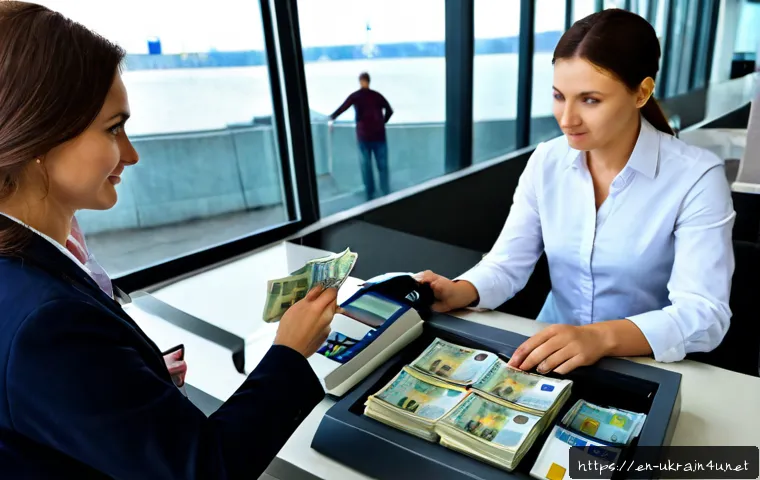
For most visitors, using a foreign card for routine purchases and keeping a modest amount of Ukrainian hryvnia (UAH) in cash is the lowest-friction approach.
Compare the total cost of card use, ATM withdrawals, and cash exchange before converting money, because the advertised exchange rate is only one part of the price.
Card payments are widely used in many urban businesses, while cash remains useful for small purchases and places with limited payment infrastructure. The right choice depends on your card’s foreign transaction fees, ATM charges, available exchange offices, and current operating conditions.
Travelers can also compare multi-currency card terms, international money transfer pricing, and relevant travel insurance coverage before departure. Do not rely on a single rate or provider without checking the final amount you will receive in UAH.
At a Glance
- Lowest-friction option: Use a foreign card for everyday payments where cards are accepted.
- When cash helps: Keep a modest UAH cash backup for small purchases or locations with limited payment infrastructure.
- Main fee to avoid: Decline dynamic currency conversion when a terminal or ATM offers to charge you in your home currency.
| Method | Best Use | Cost Points to Compare | Practical Consideration |
|---|---|---|---|
| Licensed cash exchange office | Getting UAH cash when you already hold foreign currency | Exchange-rate spread and any stated charges | Availability and foreign-currency supply can vary by city and operating conditions. |
| ATM withdrawal | Accessing UAH with an eligible foreign debit or credit card | Card issuer fee, ATM operator fee, and exchange rate | An ATM may charge fees from the operator, the card issuer, or both. |
| Foreign or multi-currency card | Routine purchases at merchants that accept cards | Foreign transaction fee and the rate applied to the purchase | Useful for reducing the amount of cash you need to carry. |
| International money transfer | Sending funds to someone in Ukraine or arranging funds for a longer stay | Transfer charge, exchange-rate spread, and recipient access | Check how the recipient can receive or use the funds before sending. |
The Quick Answer: How Most Visitors Get Ukrainian Hryvnia
Ukraine’s national currency is the Ukrainian hryvnia (UAH). For many visitors, the practical starting point is to pay by card where it is accepted and keep some UAH cash for situations where electronic payment is not available or convenient. This approach can reduce the need to carry a large amount of cash while still providing a backup for smaller transactions.
Use a Foreign Card for Routine Payments Where Accepted
Card payments are widely used in many urban businesses. A foreign debit card, credit card, or multi-currency travel card may therefore be more convenient than exchanging a large amount of currency at once. Before relying on a card, review its foreign transaction fee, any conversion policy, and whether your provider applies additional charges for overseas use.
Do not assume that every merchant terminal will accept every foreign card. Payment access can vary, and a card may fail at a particular terminal even if it worked earlier elsewhere. Carrying a backup payment method and a modest amount of UAH can make a temporary payment issue less disruptive.
Keep a Modest Cash Backup in UAH for Small or Offline Purchases
Cash is still useful for smaller purchases and in areas with limited payment infrastructure. The goal is not necessarily to carry a large amount. Instead, obtain an amount that supports ordinary cash-only or connectivity-limited situations, then reassess as needed.
When exchanging cash, use a bank or licensed exchange office rather than informal sources. A provider may request identification for certain transactions under anti-money-laundering procedures. Bring suitable identification and confirm the provider’s requirements directly, because exact document rules and limits can differ.
Compare the Total Conversion Cost Before Withdrawing or Exchanging
A favorable headline exchange rate does not automatically mean the lowest overall cost. The useful comparison is the final amount of UAH you receive or the final amount charged to your account. Include the exchange-rate spread, transaction fee, ATM fee, card issuer fee, and any transfer charges in the comparison.
Current exchange rates, cash availability, and provider conditions can change by city and operating environment. Check the displayed terms immediately before completing a transaction rather than relying on a rate you saw earlier.
Compare Cash Exchange, ATMs, Cards, and Money Transfers
Which Option Can Offer the Best Rate in Different Situations
There is no permanent “best” method for everyone. A card purchase can be practical when your card has acceptable international terms and the merchant accepts it. An ATM withdrawal can be useful when you need UAH quickly, but the combined issuer and operator fees may affect the result. A licensed exchange office can suit someone holding foreign cash, while an international money transfer may be more relevant when sending support to a person in Ukraine.
For any option, compare the rate plus every separate fee. This is particularly important when comparing travel payment cards or international money transfer services, since a low visible fee may not show the full conversion cost by itself.
Fees That Can Make a “Good” Exchange Rate Expensive
Use this checklist before committing to a transaction:
- Card issuer fee: A bank or card provider may charge for foreign transactions or cash withdrawals.
- ATM operator fee: The ATM owner may add a separate withdrawal charge.
- Exchange-rate spread: The rate offered may differ from another provider’s rate.
- Transfer charge: A transfer provider may apply a sending fee or other pricing component.
- Dynamic currency conversion: A terminal or ATM may offer to charge your home currency at its own rate.
Review the screen, receipt, or transaction summary before confirming. If a fee or conversion choice is unclear, it is safer to pause and compare than to proceed based only on the advertised exchange rate.
A Practical Step-by-Step Process for Getting UAH
Check Your Bank’s Foreign Transaction and ATM Withdrawal Fees
Before travel or before making a withdrawal, check your card issuer’s terms for foreign purchases and international ATM use. Look for separate charges rather than assuming one fee covers everything. A card can have one policy for merchant purchases and another for cash withdrawals.
If you are considering a multi-currency card, compare its conversion terms, cash withdrawal conditions, and card-use restrictions. The useful question is not simply whether the card supports UAH, but what happens when you pay or withdraw in UAH under real transaction conditions.
Withdraw or Exchange a Small Amount First
A smaller first transaction can help you review the actual process without committing a large amount of money. This is especially helpful when you are unfamiliar with a particular ATM, bank branch, or exchange office. Check the displayed currency, conversion choice, and charges before you continue.
Cash availability and service operation are not guaranteed at a specific location. If an ATM or exchange office cannot provide the currency or service you need, avoid making assumptions about another provider’s availability without checking.
Review the Receipt and Confirm the Currency Before Leaving
After an ATM withdrawal, cash exchange, or card transaction, review the receipt where available. Confirm that the currency is UAH, note any stated fee, and keep the record until you can verify the transaction in your account. At an exchange office, count and check the cash before leaving the counter.
If identification was requested, make sure you understand the transaction record you receive. Requirements may vary by provider and transaction, so the provider is the appropriate source for its current procedure.
Avoid Costly Mistakes and Payment Problems
Why Declining Dynamic Currency Conversion Can Matter
Dynamic currency conversion occurs when a merchant terminal or ATM offers to process a UAH transaction in your home currency instead. This can apply an unfavorable exchange rate compared with a transaction processed in the local currency. When the choice is presented, read the screen carefully and consider selecting UAH rather than your home currency.
The exact outcome depends on the card issuer and the provider’s terms. The key point is to recognize that “pay in your home currency” is a conversion service, not simply a display preference.
Risks of Exchanging Money Through Unlicensed Individuals

Use banks and licensed exchange offices when exchanging physical cash. Informal exchanges can create uncertainty about the rate, the notes received, the transaction record, and personal safety. A regulated provider may also have identification procedures, which can be inconvenient but are part of normal anti-money-laundering controls for certain transactions.
Before handing over cash, verify the displayed rate, ask whether any charge applies, and confirm the final UAH amount you will receive. Do not rush because of a verbal promise of a better rate.
What to Do If an ATM Retains Your Card or a Payment Fails
If an ATM retains your card, record the ATM location and any message shown on the screen. Contact your card issuer using its official support channel and, where appropriate, contact the bank or operator connected to the ATM. Do not share your PIN or account security details with strangers offering assistance.
If a card payment fails, try to determine whether the issue is the terminal, the card, or connectivity. Use another accepted payment method if available. Since the operation status of a particular terminal, bank branch, or ATM can change, check locally rather than assuming that a nearby location will work in the same way.
Best Approach by Travel and Residency Situation
Short-Term Visitors: Cards First, Cash Backup Second
For a short visit, paying by card where accepted can simplify spending and reduce the need to exchange large amounts of cash. Keep a modest UAH reserve for smaller purchases or limited-infrastructure areas. Before leaving, compare your card’s foreign transaction terms and consider travel insurance that fits your travel plans and payment needs.
Longer Stays: Compare Local Banking and Transfer Options Carefully
For a longer stay, repeated small ATM withdrawals may not be the most convenient arrangement if multiple fees apply. Compare local banking options, cash exchange terms, multi-currency card conditions, and international money transfer services based on your own access to funds. Exact account requirements, limits, and provider availability need to be confirmed directly with the relevant institution.
Supporting Family or Contacts: Assess Transfer Speed, Recipient Access, and Fees
When sending money to someone in Ukraine, do not compare only the transfer fee. Check the exchange rate, the amount the recipient can access, the receiving method, and whether the recipient has practical access to the service. Transfer speed can also matter, but the actual timing and availability should be confirmed with the provider before sending.
Choosing the Right Payment Method: Cost and Safety Checklist
When an ATM Withdrawal Is Worth the Fee
An ATM withdrawal can be worth the cost when you need UAH promptly and your card is accepted. Before confirming, compare the ATM charge, possible issuer fee, and conversion option. If the screen offers dynamic currency conversion, review whether the transaction can instead be processed in UAH.
When a Licensed Exchange Office May Be More Suitable
A licensed exchange office may be more suitable when you have foreign cash and need UAH notes. Check the displayed rate, ask about charges, and verify the total amount before completing the exchange. Identification may be requested for certain transactions, so be prepared to meet the provider’s current requirements.
Questions to Ask Before Choosing a Multi-Currency Card or Transfer Provider
Ask whether foreign transaction fees apply, how the exchange rate is set, whether ATM withdrawals have separate conditions, and what happens if a payment is declined. For transfer services, ask how the recipient receives funds, what pricing applies to the conversion, and whether service availability matches the recipient’s location and situation.
Decision checklist: Compare the final UAH amount, each stated fee, the payment method’s availability, your need for physical cash, and the safety of the provider. Compare card fee details, transfer pricing, and travel coverage on the relevant provider or insurer pages before making a choice.
Closing Thoughts
Getting UAH does not require choosing one payment method for every situation. Cards can handle many everyday purchases, while a modest amount of cash provides flexibility. The most important habit is to compare the total conversion cost rather than focusing on a single advertised rate. Use licensed providers for cash exchange, read ATM and terminal screens carefully, and confirm current conditions before committing funds.
Useful Information to Keep in Mind
UAH is the local currency: Confirm that withdrawals, exchanges, and payment selections are processed in Ukrainian hryvnia.
Cash access can vary: Availability may differ by city, provider, and current operating conditions.
Receipts are useful: Keep transaction records until you can review the charge with your bank or card provider.
ID may be requested: Banks and licensed exchange offices can request identification for certain transactions.
Important Notes
Exchange rates, ATM fees, transaction limits, identification requirements, foreign-currency availability, and card acceptance can change. This guide does not identify a current best rate or guarantee that a specific ATM, merchant terminal, bank branch, exchange office, card, or transfer service will be available. Confirm the final terms directly with the provider at the time of the transaction.
Frequently Asked Questions
Q1. Is it better to exchange cash before traveling to Ukraine or withdraw UAH from an ATM?
A1. It depends on the total cost and your access to payment methods. An ATM can be convenient, but both the ATM operator and your card issuer may charge fees. Cash exchange may be suitable if you already hold foreign currency, provided you use a licensed provider and compare the final UAH amount. Check current terms rather than assuming one method is always cheaper.
Q2. What fees should I compare when using a foreign debit or credit card in Ukraine?
A2. Compare foreign transaction fees, cash withdrawal fees, ATM operator charges, the exchange-rate spread, and any dynamic currency conversion offer. Card purchases and ATM withdrawals can have different pricing under the same card account, so review both sets of terms.
Q3. Is it safe to use exchange offices in Ukraine, and what should I check before handing over cash?
A3. Use banks or licensed exchange offices rather than unlicensed individuals. Before exchanging, check the displayed rate, ask about charges, confirm the final UAH amount, and count the notes before leaving. Be prepared for identification to be requested for certain transactions under anti-money-laundering procedures.